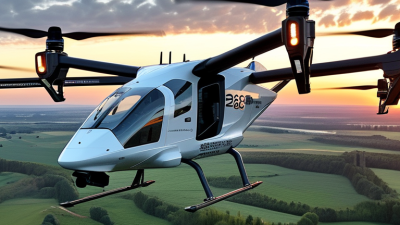
Choosing the best flying camera drone in 2026 means looking beyond headline resolution. A sharp image matters, but so do stable footage, dependable controls, useful battery life, and a camera that performs in changing light. Think of a windy coastal overlook, a shaded trail, or a brief sunset window. Those conditions can expose limits that a product page cannot show.
The FAA’s Aerospace Forecast FY 2024–2044 provides useful context for the growing U.S. drone fleet. It estimated about 1.8 million recreational small drones in 2023 and projected roughly 2.3 million by 2028. These figures cover small drones broadly, not camera models alone, and they are forecasts rather than sales totals. Still, they show why buyers need clear, practical comparisons. Drone Industry Insights’ Drone Market Report also tracks the wider drone market, including commercial applications, where image quality must work alongside reliability and operating needs.
This guide compares leading options by camera performance, flight stability, portability, battery endurance, and ease of use. It also considers what specifications leave out, such as low-light noise, wind handling, and how quickly controls feel natural. No single model suits every pilot. A compact drone may be easier to carry, while a larger one may offer more capable imaging. The trade-offs are real. Any ranking has limits, too: conditions, firmware, and pilot skill can change results. The aim is a careful shortlist, not a promise that one drone will fit everyone.
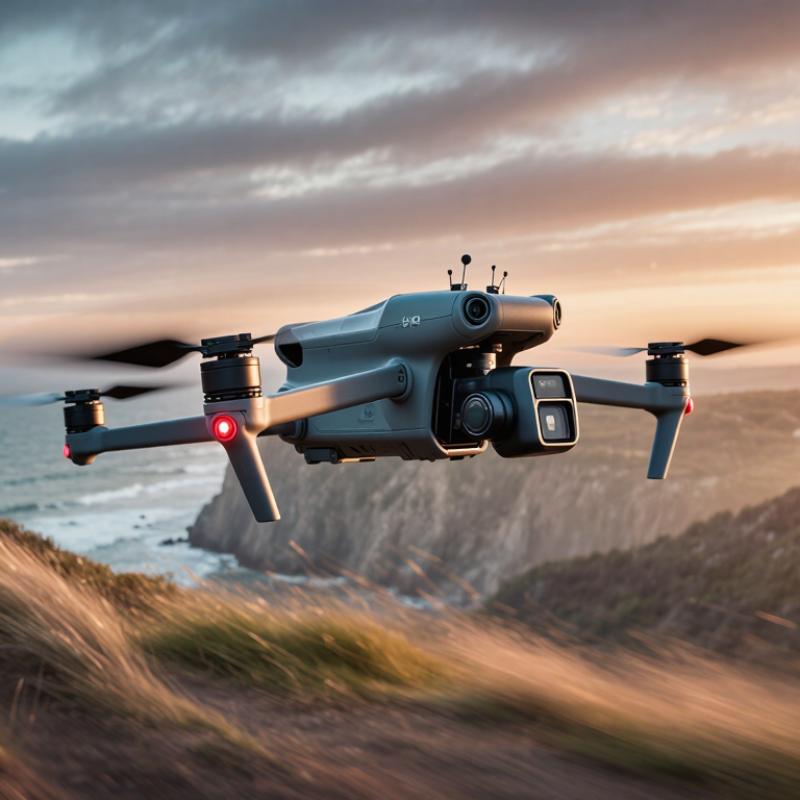
What defines the best flying camera drone in 2026 is not a single headline specification. It is the balance between image quality, steady flight, dependable controls, and practical setup. A larger image sensor can preserve detail in shaded trees or at dusk, but lens quality and exposure control matter too. Watch sample footage for natural color, clean motion, and sharp edges. Specs help. Real conditions matter more.
Tips: Check footage in bright sun and overcast light. Test stabilization during a slow turn. Compare advertised flight time with your own expected use, especially in wind. Pack spare batteries only when your plans and local rules allow.
A capable drone should also feel predictable, not merely powerful. Responsive controls and useful obstacle awareness can reduce workload near branches, though sensors may miss thin wires or perform poorly in low light. Read independent flight tests, and look for clear details about test conditions. Battery life, repair options, and easy-to-understand settings affect ownership after the first flight. I would not choose by camera resolution alone; that shortcut is tempting, and sometimes wrong. A slightly less impressive image can be more useful if the aircraft stays stable and the controls remain simple.
The best flying camera drone in 2026 should be judged by recorded evidence, not headline resolution. ISO 12233:2023 describes methods for measuring still-image resolution, while the EMVA 1288 Release 4.0 standard measures sensor properties such as quantum efficiency, temporal dark noise, and saturation capacity. These figures help explain why two cameras with similar pixel counts can produce different shadow detail. Check real footage at low light, against bright windows, and during a slow pan. Look for smeared edges, clipped clouds, and noisy shadows. Small flaws show quickly.
Flight claims need equally careful testing. Record hover time, distance covered, positioning drift, and battery remaining under stated conditions. Repeat each flight three times, using the same payload, route, and camera settings. Note wind, temperature, and takeoff battery level; otherwise, a long flight figure is hard to compare. Conditions matter. A stable hover is useful, but tracking a moving subject reveals more about control response and footage smoothness. I would still treat one test day as imperfect evidence: gusts change, and an operator’s steering can affect the result. Publish the test conditions beside every score, so readers can judge whether the numbers fit their own work.
How camera quality and flight performance are measured
Illustrative 0–100 benchmark scores, not results for specific products. Camera quality considers detail, low-light noise, stabilization, and video modes. Flight performance considers measured airtime, wind handling, control response, and transmission reliability. Compare drones only under the same test conditions; flight time varies with wind, temperature, payload, and flying style.
What Is the Best Flying Camera Drone in 2026?
Which Drone Categories Suit Different Users?
The best choice depends on what you need to capture, not just camera resolution. The FAA’s 2024 Aerospace Forecast estimated roughly 1.7 million registered recreational small drones and 0.8 million commercial ones in the United States in 2023. That split reflects very different needs. For travel and casual family footage, a compact folding drone is easier to pack and quick to launch. Its smaller camera may struggle at dusk, though. For creators, a camera-focused model with a stabilized three-axis gimbal, adjustable exposure, and a flat color profile offers more editing control. I would still check wind performance: a sharp image is little comfort when gusts spoil the shot.
For inspections or detailed landscape work, consider a drone with optical zoom, longer flight endurance, or a larger sensor. These features help frame distant subjects without flying closer, but add weight and cost. FPV-style drones suit pilots who want fast, immersive movement; they demand more practice and are less suited to steady, cinematic footage. There is no perfect all-rounder. A frequent compromise is buying advanced features that rarely leave the menu.
Tips: Match the camera to your usual scene. Check real flight-time tests, not just advertised maximums, and leave battery reserve for a calm landing.
| Drone category | Best suited to | Typical camera setup | Typical flight time | Main strengths | Trade-offs | Best choice when… |
|---|---|---|---|---|---|---|
| Entry-level camera drone | First-time pilots, families, and casual photo or video use | Small stabilized camera; commonly capable of 4K video, with image quality varying by sensor and lens | About 20–35 minutes per battery in favorable conditions | Usually simpler controls, automated flight modes, and a lower purchase cost | Smaller sensors and limited performance in low light; wind resistance and tracking features may be more basic | Easy learning and everyday aerial shots matter more than advanced image quality |
| Compact travel camera drone | Travelers, hikers, and recreational creators who prioritize portability | Stabilized camera, often with 4K recording; sensor sizes commonly range from about 1/1.3-inch to 1-inch | About 25–40 minutes per battery in favorable conditions | Foldable design, convenient packing, and a useful balance of image quality and size | Small airframes can be more affected by wind; compactness may limit camera and battery capacity | You want a capable camera drone that is easy to carry on trips |
| Creator or prosumer camera drone | Experienced hobbyists, independent filmmakers, and content creators | Larger sensor options, commonly around 1-inch or larger; features may include high-bitrate video and adjustable exposure controls | About 25–45 minutes per battery in favorable conditions | More control over footage, stronger low-light potential, and greater flexibility for editing | Higher cost, a larger kit, and more post-production knowledge may be needed | Image quality and creative control are more important than the smallest possible size |
| FPV camera drone | Experienced pilots seeking immersive flight, dynamic movement, or custom shots | Onboard FPV camera for piloting; cinematic setups may carry a separate action or compact camera | Often about 3–10 minutes for many performance-oriented setups; varies greatly with battery and flying style | Agile movement, close control, and distinctive first-person footage | Steeper learning curve, shorter flight time, and often less automated subject tracking or obstacle avoidance | Fast, expressive flight matters more than long, hands-off filming |
| Enterprise or mapping drone | Surveyors, inspectors, researchers, and commercial operators | May use a standard stabilized camera or specialized payloads such as thermal or mapping cameras | Often about 25–50 minutes per battery, depending on aircraft, payload, and conditions | Designed for repeatable workflows; some systems support specialized sensors, mapping, or inspection tasks | Higher total operating cost, specialized training, and additional regulatory or workflow requirements | Reliable data collection or a professional task—not casual photography—is the priority |
How to choose: There is no single best category for every pilot. Compare camera quality, portability, flight time, control difficulty, and intended use. Flight-time figures are approximate real-world category ranges, not guarantees; wind, temperature, payload, battery condition, and flying style affect results. Check local aviation rules and airspace restrictions before flying.
How to Compare Top Models and Choose the Right Drone
Choosing a camera drone starts with the footage you actually need. For travel, compare folded size, setup time, and how easily the camera handles wind. For moving subjects, check tracking consistency and obstacle sensing in more than ideal light. A bright screen helps on sunny afternoons. So does a controller that feels steady in cold hands. Look beyond advertised flight time: usable minutes shrink with wind, cold, and repeated climbs. That matters.
Image quality is more than resolution. Compare sensor size, lens angle, stabilization, and performance in dim indoor scenes. Review sample video at full resolution, especially details like tree branches and rooflines. Also check battery cost, charging time, repair options, and whether controls feel intuitive. Grand View Research valued the global drone market at US$73.06 billion in 2024 and projected 14.3% annual growth from 2025 to 2030. That broad industry figure signals expansion, not proof that any one model is better. No scorecard captures every real flight. A careful buyer should weigh published specifications against independent test footage and their own priorities; even a polished review may miss the one flaw that matters on your first windy afternoon.
A flying camera drone is only useful when its flight is safe and lawful. Before takeoff, check the current rules from your local aviation authority. Requirements can differ by country, region, and even individual site. Some areas require registration or pilot training, while others restrict flights near airports, emergency scenes, or protected spaces.
Keep the drone within visual line of sight where required, and follow local altitude limits and no-fly zones. A map is not permission. Check for temporary restrictions on the day of your flight, since event notices and airspace conditions can change. Respect privacy, too: avoid filming through windows or lingering over people’s homes. A camera’s reach can make ordinary boundaries feel less obvious.
Choose an open launch spot, away from crowds and overhead wires. Check the wind, battery level, and return-to-home settings before lifting off. Leave room to land early if weather shifts or the connection becomes unstable. It is easy to underestimate how quickly a small gust can move a drone. I would not treat a familiar location as automatically safe; rules and conditions deserve another look each time.