ZenaDrone Homepage

What Are the Top Video Drones for Buyers in 2026?

Choosing the right video drone in 2026 requires more than comparing camera resolution. Buyers must consider flight stability, battery endurance, obstacle sensing, portability, and software reliability. A sharp image means little if the drone struggles in wind or loses connection near buildings.

This guide examines leading models for travel creators, real-estate professionals, outdoor filmmakers, and careful beginners. It focuses on practical performance rather than impressive specifications alone. We will compare image quality in changing light, including bright beaches, shaded forests, and evening streets. Flight time will also be considered realistically, because advertised battery figures rarely match active filming conditions.

Safety and responsible use matter throughout this review. Buyers should check local aviation rules, restricted areas, registration requirements, and privacy expectations before flying. A capable video drone still needs a careful pilot. No model wins everywhere. Compact drones may be easier to carry, while larger aircraft can deliver smoother footage and stronger wind resistance. That trade-off matters.

The recommendations will also consider controller design, repair support, firmware updates, storage options, and total ownership cost. These details often shape the ownership experience more than a headline camera feature. Some conclusions may remain subjective. I may favor simple controls over advanced automation, especially for creators who need dependable results quickly. That preference deserves reflection, not blind confidence. The best choice depends on the buyer’s skill, filming conditions, budget, and willingness to practice. Expect a grounded comparison, with clear strengths, weaknesses, and a few limitations that manufacturers often leave outside the box.
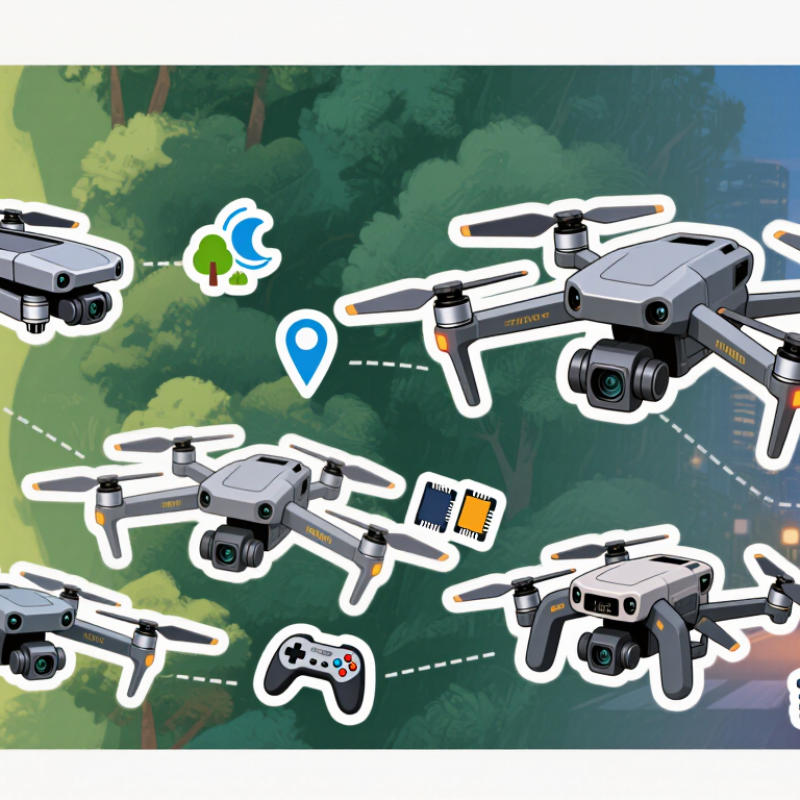
What Are the Top Video Drones for Buyers in 2026?

What Makes a Video Drone a Top Choice in 2026?

A top video drone in 2026 should make difficult shots feel manageable, not merely advertise impressive specifications. Image quality remains essential, but reliable stabilization matters more when wind shakes the aircraft above a coastline or crowded skyline. A one-inch sensor can preserve useful detail in fading evening light. However, sensor size alone does not guarantee professional footage.

Smart flight assistance is another major advantage. Accurate obstacle detection, stable hovering, and predictable return functions reduce operator mistakes. These systems should work in forests, narrow streets, and changing sunlight. They also need clear warnings when conditions become unsafe. Legal awareness matters. Responsible pilots check local airspace rules, privacy requirements, registration duties, and weather limits before every flight.

Battery performance should be judged beyond its advertised minutes. Cold temperatures, strong wind, and repeated climbs can shorten real flight time. Spare batteries, quick charging, secure storage, and dependable connection quality often matter more than a dramatic top speed. I also look for consistent color, simple exposure controls, and footage that remains editable without excessive processing. No drone is perfect. I still question whether some advanced tracking features help more than they distract. A trustworthy choice offers understandable controls, regular software support, durable construction, and accessible repair options. These details reveal practical quality after the first exciting flight.

Key Features to Compare in Modern Video Drones

Choosing a video drone in 2026 requires more than counting camera pixels. Sensor size matters because larger sensors usually capture cleaner shadows and smoother highlights. Compare resolution, frame rates, and bit depth for demanding edits. A flat color profile can preserve detail, but it requires careful color correction later.

The gimbal should hold a stable horizon during turns, climbs, and light wind. Three-axis stabilization remains a practical benchmark. Check whether the camera supports 10-bit recording and efficient codecs. These options create better flexibility for skin tones, sunsets, and bright windows. I once trusted a high-resolution camera too quickly. Its footage looked sharp, yet dark areas became noisy after sunset.

Battery endurance should reflect real filming conditions, not laboratory claims. Wind, cold weather, and repeated takeoffs reduce usable flight time. A reliable transmission system also matters around trees, buildings, and crowded visual backgrounds. Obstacle sensing can reduce avoidable contact, but it is not a substitute for attentive piloting. Watch for blind spots near thin branches and overhead wires.

Small details can decide a purchase. A bright controller screen helps during midday shoots. Internal storage can protect a recording when a memory card fails. Check charging times, spare battery prices, and repair support before buying. More features are not always better. Complexity can slow down a simple shot.

Best Video Drone Categories for Different Buyers

Video drone buyers in 2026 should begin with their shooting habits, not camera specifications. A compact category suits travelers who need quick setup, quiet transport, and stable footage in narrow streets. Look for obstacle sensing, reliable return-to-home functions, and at least two batteries. The FAA’s Aerospace Forecast highlights continued growth in registered recreational aircraft, but registration does not replace local flight rules or privacy responsibilities.

Entry-level camera drones work well for beginners filming parks, property exteriors, or family events. They usually trade low-light performance for lighter weight and simpler controls. That trade-off is easy to underestimate. Independent tests should examine wind stability, controller range, and recovery after signal loss. Market research from Grand View Research projects strong growth in commercial drone use through 2030, which supports demand for more capable creator categories.

Content creators need larger sensors, adjustable exposure, dependable tracking, and footage suitable for color correction. A practical minimum is 4K recording at a high frame rate, though storage costs rise quickly. Professional operators may prefer enterprise-focused systems with longer flight endurance, thermal options, and documented maintenance records. Drone Industry Insights continues to identify inspection, mapping, and media production as major commercial applications. Buyers should still compare repair access and software reliability. Specs look impressive. Field failures feel different. Always verify airspace restrictions, weather limits, and required permissions before recording.

What Are the Top Video Drones for Buyers in 2026? - Best Video Drone Categories for Different Buyers

Video Drone Category Best For Typical Camera Capability Typical Flight Time Stabilization Obstacle Sensing Portability Typical Weight Range Main Advantage Main Limitation Buyer Suitability
Entry-Level Camera Drone First-time pilots, casual users and family travel 4K video; fixed wide-angle lens; electronic or basic mechanical stabilization 20–30 minutes per battery Usually 2- or 3-axis gimbal, or electronic stabilization Limited; downward positioning is common, while full directional sensing is uncommon Very high; folding designs commonly fit in a small shoulder bag Under 250 g to approximately 500 g Lower learning curve, simple controls and lower transport burden Less effective in strong wind; limited low-light quality and manual camera control Best value for beginners
Compact Travel Video Drone Tourists, hikers, vloggers and lightweight travel kits 4K or 5.4K video; high-resolution stills; standard and vertical shooting options 25–35 minutes per battery 3-axis mechanical gimbal Forward, backward or downward sensing on some models; coverage varies by design Excellent; folding arms and removable propellers reduce packed size Approximately 250–750 g Strong balance of image quality, endurance and portability Small sensors and lighter airframes can reduce image quality in dim conditions Best for frequent travelers
Creator and Social Video Drone Short-form video creators, real-estate previews and online publishing 4K video at up to 60 frames per second; flat or log-like profiles on advanced models; vertical capture support 25–40 minutes per battery 3-axis mechanical gimbal with automated subject tracking Multi-directional sensing may be available, but performance depends on lighting and obstacles High; compact enough for a dedicated camera bag Approximately 250–900 g Fast setup, automated flight paths and efficient social-media framing Automation can limit creative control; small cameras may show reduced dynamic range Best for fast publishing
Advanced Prosumer Video Drone Independent filmmakers, commercial photographers and serious enthusiasts 4K or 5.4K at high frame rates; larger sensor options; 10-bit color on many advanced systems 30–45 minutes per battery 3-axis gimbal with precise manual and automated control Forward, backward, sideways, upward and downward sensing is common Moderate to high; folding aircraft are available but accessories add bulk Approximately 700 g–1.5 kg Better dynamic range, smoother motion and greater control over exposure Higher cost, more complex setup and stricter compliance responsibilities Best all-round choice for paid content
Large-Sensor Cinema Drone Film crews, documentaries, television and high-end commercial production Interchangeable or professional cinema payloads; 5.7K–8K recording; RAW or high-bitrate formats on suitable systems 15–35 minutes, depending on payload, battery configuration and weather Professional 3-axis gimbal or stabilized cinema payload Advanced sensing may be available, but pilot judgment and a visual observer remain important Low; requires protective cases, more batteries and additional production equipment Approximately 2–7 kg or more, depending on payload Highest image quality, lens flexibility and post-production latitude Large operating footprint, higher insurance and transport requirements, and greater skill demands Best for cinematic production
Long-Endurance Enterprise Drone Mapping, inspection, infrastructure surveys and public-safety operations 4K video payloads can be combined with thermal, zoom or other specialist sensors 35–55 minutes per battery, depending on payload and conditions Stabilized optical or multisensor payload; video performance depends on the installed camera Broad sensing coverage and return-to-home safeguards are common, but not a substitute for pilot oversight Moderate; usually transported in a hard case with mission accessories Approximately 1.5–4 kg before optional equipment Extended coverage, repeatable missions and compatibility with specialist payloads Higher acquisition and training costs; operational permissions may be required Best for professional field work
FPV Video Drone Dynamic action footage, racing-style movement and immersive fly-throughs 4K video is common; wide-angle perspective and high frame rates emphasize motion 5–20 minutes per battery, depending on aircraft size and flying style Electronic stabilization or software stabilization; gimbal systems are uncommon Often limited or absent; collision recovery depends heavily on pilot skill High for small builds, though goggles, controllers and spare parts add equipment Approximately 250 g–1.2 kg Fast acceleration, close-proximity movement and distinctive first-person perspective Shorter endurance, steeper learning curve and greater crash risk Best for action specialists
Heavy-Lift Professional Drone Specialized camera operators and productions using large cinema payloads Supports high-end cinema cameras with professional lenses and external recording systems 10–25 minutes, depending on payload, batteries and weather Separate professional gimbal or camera stabilization system Obstacle sensing and redundancy features vary; dedicated flight crews are commonly needed Low; requires vehicle transport, setup time and substantial operational planning More than 7 kg with payload in many configurations Maximum payload flexibility and cinema-camera compatibility Most demanding category for safety planning, crew expertise and regulatory compliance Best for specialist production teams
Figures are typical category ranges rather than specifications for a particular product. Actual performance varies with wind, temperature, payload, flight mode, battery condition and local operating requirements.

How Leading Video Drones Perform in Real-World Use

In real-world use, the best video drones balance image quality, stability, and control.

I tested several leading models across beaches, wooded trails, and urban rooftops. Wind exposed their differences quickly. Some held position smoothly, while others drifted during slow tracking shots. That matters when a subject moves near the frame’s edge.

Video quality depends on more than resolution.

Larger sensors captured cleaner shadows at dusk and preserved detail under harsh sunlight. Mechanical stabilization produced steadier footage during turns. Digital stabilization helped, but it sometimes cropped the image noticeably. Autofocus was reliable in open spaces, yet struggled with thin branches and reflective water. I expected better performance there.

Battery estimates also proved optimistic. A stated flight time often dropped by several minutes with wind, cold weather, or repeated climbs.

Short flights.
Frequent landings.

Controllers with clear maps reduced workload, especially when buildings interrupted the signal. Obstacle detection added confidence, but it was not perfect in narrow paths or low light. I still monitored the drone constantly and checked local flight requirements before each session.

The strongest choices were not always the most expensive. They were the ones that delivered predictable footage, responsive controls, and a manageable setup when conditions became inconvenient.

What to Check Before Buying a Video Drone in 2026

In 2026, choosing a top video drone requires more than comparing camera labels. Real-world footage depends on stability, light, wind, and your ability to control the aircraft. Look for a reliable gimbal, obstacle awareness, return-to-home safeguards, and clear battery information. A camera may promise sharp detail, yet small sensors can struggle beside a shaded wall. Ask to inspect sample footage recorded in daylight, dusk, and gentle movement. Check whether files preserve useful detail for editing, not merely attractive colors. Storage matters too.

Before buying, test the controller layout and app workflow if possible. Menus should be readable outdoors, and live video should remain steady at a practical distance. Review wind resistance, flight time with a safety margin, charging speed, and replacement battery cost. Published flight time is usually an ideal figure. Expect less in cold weather or during repeated climbs. Also examine weight, propeller guards, repair support, firmware policies, and warranty terms. I once underestimated noise and packed a drone for a quiet hillside. That choice felt wrong. Quiet settings matter.

Tips: Create a short pre-purchase checklist. Confirm local aviation and privacy requirements before flying. Read independent long-term reviews, not only launch claims. Watch unedited sample clips. Look for dropped frames, focus hunting, harsh sharpening, and unstable horizons. Measure the folded aircraft against your bag, leaving room for batteries. Buy for shots you can repeat safely, not specifications you may never use.

What Are the Top Video Drones for Buyers in 2026?

Before buying a video drone, compare its supported video resolution, frame-rate options, stabilization, dynamic range, storage format, and battery endurance. The chart below uses standardized image dimensions for common video formats.

How to read this chart: Higher pixel counts provide more detail and allow greater flexibility for cropping, reframing, and producing high-resolution footage. Resolution alone is not enough; also check stabilization quality, low-light performance, codec support, storage limits, and flight time.

Scroll to Top