2026 Best UAV Drone for Global Buyers?
Choosing the 2026 best uav drone for global buyers requires more than comparing camera resolution or flight time. Buyers now examine safety systems, service support, data protection, and operating reliability. A drone that performs well in a dry testing field may struggle in coastal wind or heavy rain.
Industry forecasts show strong momentum. Drone Industry Insights continues to identify commercial services, inspection, mapping, and delivery as major growth areas. The Federal Aviation Administration’s forecasts also show a steadily expanding commercial drone fleet in the United States. Meanwhile, market research from Grand View Research reports continuing growth in the global commercial drone market through the decade. These figures are useful, but they are not universal truth. Market definitions differ, and forecasts can age quickly.
Former FAA Administrator Michael Huerta said, “Drones are going to change the way we live and work.” That statement remains practical in 2026. A capable uav drone can inspect a bridge joint, map a construction site, or monitor farmland within minutes. Yet useful technology still needs disciplined operators, accurate maintenance records, and lawful flight planning. Battery temperature, spare-part access, software updates, and local privacy rules can decide whether a purchase succeeds.
There is no perfect model. That answer feels unsatisfying. Global buyers should compare real operating conditions, not only laboratory specifications. The strongest choice balances endurance, payload, automation, cybersecurity, training, and after-sales support. This guide evaluates those factors with evidence, field experience, and a necessary degree of skepticism.
What Defines the Best UAV Drone in 2026?
What Defines the Best UAV Drone in 2026?
The best UAV drone in 2026 is not simply the fastest or most expensive model. It must match the buyer’s real mission, environment, and operating skills. A reliable aircraft should offer stable flight, clear imaging, accurate positioning, and predictable battery performance. Weather resistance also matters when dust, light rain, or strong coastal wind becomes unavoidable.
Field experience shows that small details often decide performance. A bright status display helps during early morning inspections. Quiet motors improve work near residential areas. Replaceable propellers and accessible batteries can reduce downtime. Intelligent obstacle sensing adds protection, but it cannot replace trained piloting or careful route planning. Technology has limits.
Data security deserves equal attention. Buyers should examine how flight logs, images, and location information are stored and transferred. Local regulations may require registration, operating limits, or privacy protection. A trustworthy supplier should provide clear manuals, service procedures, and honest performance specifications. Independent testing is useful, although test conditions rarely match every location.
Battery figures can look impressive on paper. Real flight time changes with wind, payload, temperature, and camera use. I have learned that a few extra minutes may matter more than a higher top speed. The better choice is the aircraft that performs consistently, remains maintainable, and supports responsible work over time.
Key UAV Drone Types and Their Global Applications
2026 Best UAV Drone for Global Buyers?
Key UAV Drone Types and Their Global Applications
The best UAV depends on the work, not the loudest specification.
Drone Industry Insights projects the commercial drone market to grow from about $30.6 billion in 2023 to $54.6 billion by 2030. That expansion reflects practical demand across agriculture, surveying, infrastructure, logistics, and emergency mapping.
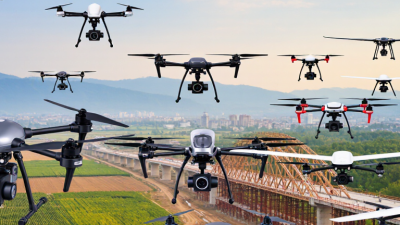
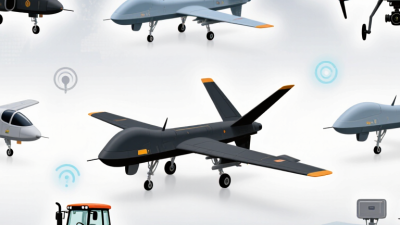
Multirotor UAVs suit construction sites, roof inspections, and short-range imaging. They can hover beside a bridge cable or capture detailed crop stress at low altitude. Fixed-wing UAVs cover larger areas with better endurance. Survey teams use them for coastline mapping, forestry, and pipeline corridors. Hybrid VTOL aircraft combine vertical takeoff with efficient forward flight. They are useful where runways are unavailable, but their mechanical complexity can increase maintenance.
Global buyers should examine payload weight, flight endurance, weather resistance, data security, and local aviation rules. EASA’s annual safety reporting repeatedly emphasizes operational risk management and competent remote pilots. A cheaper aircraft may become expensive when batteries, training, and permissions are added. That part is often underestimated. Field conditions also challenge laboratory claims. Dust, wind, heat, and weak connectivity can reduce useful flight time.
The right choice may be less impressive on paper. A small multirotor can outperform a long-range system when technicians need precise, repeatable images. Buyers should request independent test records, service procedures, and realistic payload figures before purchase. No UAV type wins everywhere.
Essential Features for Evaluating 2026 UAV Drones
2026 Best UAV Drone for Global Buyers?
Essential Features for Evaluating 2026 UAV Drones
Choosing a UAV in 2026 requires more than comparing advertised flight times. A practical evaluation should begin with mission needs, local airspace rules, and operating conditions. For mapping, inspect positioning accuracy, route stability, and image consistency. RTK support can improve survey results, but only when correction signals remain reliable. For inspection work, test camera detail, low-light performance, thermal accuracy, and gimbal control. Clear images matter more than impressive resolution alone.
Battery endurance should be measured with the intended payload attached. Wind, cold weather, and repeated climbs can reduce published flight time. Plan for spare batteries, safe charging, and simple field replacement. Obstacle sensing is valuable, yet sensors may struggle with thin wires, fog, or reflective surfaces. Keep that limitation visible. Weather resistance, stable communication, and return-to-home settings also deserve hands-on testing, not just brochure review.
Data protection is now a core buying requirement. Check encryption, access controls, firmware update practices, and storage options before deployment. A dependable supplier should provide manuals, repair channels, training, and clear warranty terms across regions. Independent test records and recognized safety compliance add credibility. Still, even strong equipment needs skilled operators and documented maintenance. Some evaluation decisions will remain imperfect. That is normal. Recheck them after real flights.
Regulations, Safety, and Import Considerations Worldwide
2026 Best UAV Drone for Global Buyers?
Choosing the best UAV in 2026 starts with local compliance, not camera resolution. Aviation rules differ by country, and sometimes by city or airport zone. Check the national aviation authority before payment. Many markets require operator registration, pilot competency evidence, flight limits, or remote identification. A lightweight aircraft may still need registration.
Safety preparation should be physical and specific. Test return-to-home settings in an open field. Keep batteries in fire-resistant bags during transport. Inspect propellers, firmware status, and compass warnings before every flight. Avoid crowds, emergency areas, restricted facilities, and private property. Insurance may be required for commercial work. Privacy rules can also restrict recording faces, homes, or workplace entrances. Small details matter.
Import planning often causes the most delay. Confirm the correct customs classification, declared value, battery documentation, and local charging requirements. Radio frequency approval can be separate from aviation approval. Some countries request conformity documents before sale or use. Ask customs officials and the aviation regulator directly, rather than trusting a marketplace description. Rules change, and online advice becomes outdated quickly. A checklist helps, but it is not perfect. I would leave extra time for inspection, missing paperwork, or a rejected battery shipment. A suitable UAV is one that can be legally imported, safely operated, repaired locally, and documented clearly.
How to Choose the Right UAV Drone for Your Needs
Choosing the right UAV drone starts with the job, not the camera. A survey team may need accurate mapping, while a farm operator may value endurance and stable imaging. Write down the mission, flight area, payload, and expected weather. Be specific. A drone carrying a thermal sensor needs different power reserves than one using a standard camera.
Check flight time under real conditions, not only the advertised figure. Wind, low temperatures, and extra batteries can reduce endurance. During field testing, I once underestimated setup time by nearly twenty minutes. That mistake affected the entire schedule. Now I examine controller range, satellite positioning, obstacle detection, and landing accuracy before comparing image quality. Clear data matters more than impressive specifications.
Think about the complete operating system. Spare propellers, charging equipment, software updates, training, maintenance, and secure data storage all add cost. Select a UAV with documented technical support and replaceable parts. Confirm that its radio systems and flight features meet the rules in every intended country. Privacy requirements may also affect where images can be stored. Do not ignore operator comfort. A heavy controller, poor screen visibility, or confusing controls can create fatigue during long flights. The best choice may involve compromise. A smaller aircraft could be easier to transport, yet less stable in strong wind. Test before committing.