
How Drone Technology is Transforming Industries
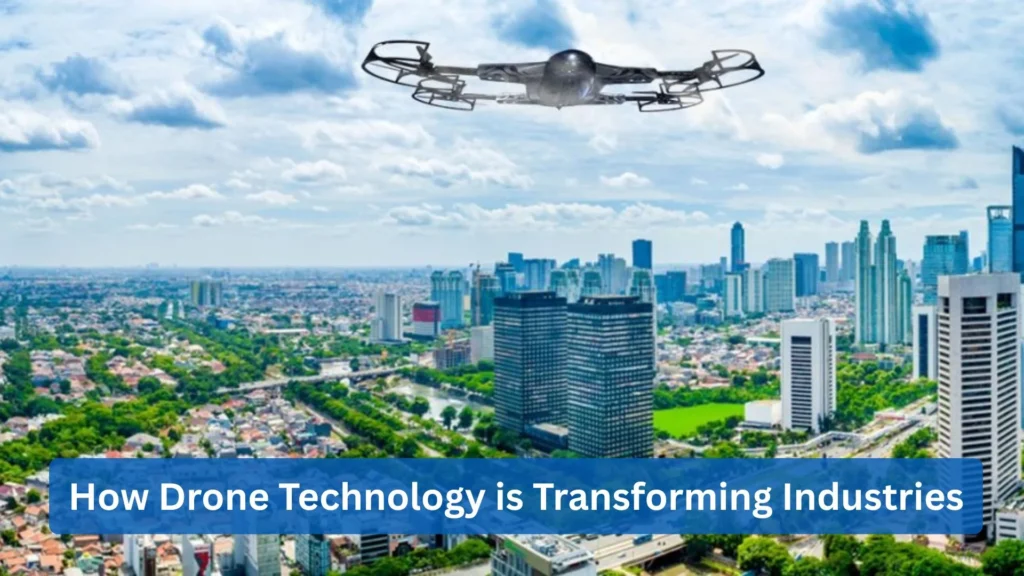
Drone technology has become a powerful tool across today’s leading industries, offering efficiency, accuracy, and safer operations. As UAV adoption accelerates, businesses of all sizes from small service providers to large enterprises are leveraging drones to streamline workflows, reduce costs, and collect high-quality aerial data.
Industries such as agriculture, real estate, insurance, and construction are already experiencing major benefits from drone-powered inspections, mapping, monitoring, and imaging. With advanced capabilities like high-definition photography, real-time video, and automated flight paths, UAVs now perform tasks that once required extensive manual labor.
Key Benefits of Drone Technology for Businesses
Drone technology is rapidly transforming industries by improving accuracy, efficiency, and operational protection. Companies that once relied on time consuming manual processes now use UAVs to access hard to reach areas, automate data gathering, and increase decision-making.
Below are the important business benefits of adopting drone technology:
- Improved safety: Drones reduce the need for workers to enter Dangerous environments, minimizing accidents and risk exposure.
- Lower costs: Automated flights, faster data Collection, and decrease manual labor significantly reduced operational expenses.
- Faster inspections: UAVs complete inspections, surveys, and monitoring tasks in minutes far faster than old methods.
- High-quality imaging: Advanced sensors and HD cameras deliver accurate, real-time visuals that improve accuracy and boost productivity.
As more enterprises recognize the broad capabilities and global impact of drone technology, adoption continues to rise across diverse sectors.
Industries Using Drone Technology Today
Businesses across multiple sectors are experiencing major improvements through UAV adoption. Drone technology enhances inspections, boosts workforce safety, and streamlines day-to-day operations by allowing teams to work faster and more efficiently.
Drone Technology in Construction & Infrastructure
Drone technology is reshaping the construction and infrastructure sector by making inspections faster, safer, and more cost efficient. Drone streamline site surveying, progress monitoring, and structural inspections. All tasks that traditionally required extensive manual labor.
Drones help construction teams:
- Save costs through faster data collection and reduced manpower
- Enhance safety by minimizing the need for workers to access risky areas
- Improve project management with real-time aerial data and precise measurements
With high Resolution imaging and AI powered analysis, drones deliver accurate survey data, track project progress, and verify structural work against design plans. This allows managers and investors to make informed decisions throughout every stage of a project.
Drone Technology in Energy & Resource Management
Drone technology is transforming how energy and utility companies conduct power line inspections, pipeline monitoring, and wind turbine inspections. UAVs offer a safer, faster, and more cost-effective alternative to traditional helicopter surveys.
Drones help energy operators:
- Inspect power lines, solar farms, and offshore rigs with high accuracy
- Monitor oil and gas pipelines to detect leaks or structural issues
- Assess wind turbines and other renewable assets without shutting down operations
Equipped with thermal sensors and gas-detection payloads, UAVs can quickly identify dangerous such as gas leaks or fractured pipelines, before they increase into environmental or economic emergencies. By reducing manual fieldwork and limiting worker exposure to dangerous environments, drones significantly boost both operational productivity and safety.
Drone Technology in Agriculture (Precision Farming)
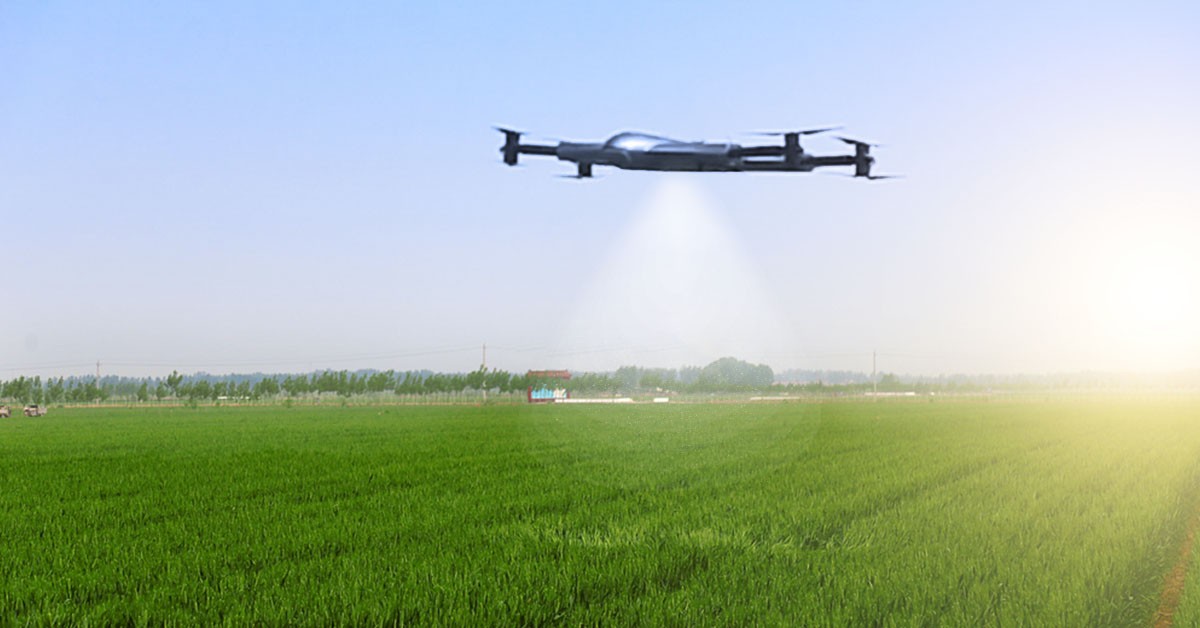
Drone technology is driving major advancements in precision farming by improving crop health mapping, aerial spraying, and soil analysis. With UAVs, farmers can monitor large fields quickly, identify crop issues early, and apply treatments with greater accuracy.
Modern agricultural drones can spray water, fertilizers, herbicides, and pesticides over targeted areas while farmers operate them remotely. This reduces labor, minimizes chemical waste, and ensures healthier crop growth. By delivering real-time insights and precise field data, drones help farmers boost yields and meet rising global food demands.
Drone Technology in Security, Surveillance & Search-and-Rescue
Drone technology is redefining modern security and surveillance by providing fast, high-visibility monitoring over large or sensitive areas. Organizations now use both tethered and untethered UAVs to observe entry and exit points, perimeters, inventory, and other critical assets with real-time aerial footage.
Drones are also becoming essential in search-and-rescue missions, where they can quickly scan wide areas, identify threats, and locate missing persons far faster than ground teams. As home-surveillance drone systems continue to develop, UAVs are expected to become a standard tool for autonomous monitoring, offering a level of security and hazard detection that was previously unattainable.
Drone Technology in Insurance
Drone technology is transforming insurance operations by enabling faster and more accurate damage assessments, claim validation, and risk profiling. After storms, accidents, or natural disasters, UAVs can quickly capture high-resolution images of affected properties often before an adjuster arrives on-site.
This streamlined process helps insurers evaluate claims efficiently, reduce processing time, and lower operational costs. Repair teams can also use drone imagery to clearly show property owners the extent of damage and recommend the best restoration options, improving transparency and customer satisfaction.
Drone Technology in Logistics & Transportation
Drone technology is reshaping logistics and transportation by enabling faster last-mile delivery, warehouse automation, and inventory scanning. UAVs can move lightweight supplies, components, and equipment across facilities, reducing manual labor and improving operational efficiency.
Major companies like Zenadrone have already demonstrated the potential of drone delivery, and similar applications are now being adopted in manufacturing and retail. Drones can assist with packing, picking, and real time inventory checks streamlining workflows and helping businesses accelerate fulfillment processes.
Future Trends in Drone Technology (2025–2030)
As drone technology continues to advance, the next decade will bring major innovations that push UAV capabilities far beyond today’s applications. Powered by AI, autonomous systems, and improved hardware, drones will play an even greater role in logistics, transportation, inspections, agriculture, and security.
Key developments shaping the future include:
- AI-Driven Drones: Smarter onboard processing will enable drones to analyze data in real time, identify patterns, and make autonomous decisions during flights.
- Autonomous Missions: Drones will complete routine tasks like inspections, monitoring, and deliveries without human intervention, increasing speed and efficiency.
- Longer Flight Times: Advancements in battery and power systems will extend operational ranges, allowing UAVs to cover larger areas and handle more demanding missions.
- BVLOS Operations: Beyond Visual Line of Sight capabilities will unlock large-scale commercial uses, from long-distance deliveries to wide-area infrastructure inspections.
With companies like ZenaDrone driving innovation, these advancements will reshape how industries operate, making drone technology an essential tool for the future of global business.
Conclusion
Drones can do inspections and surveys more swiftly, affordably, and safely than people or helicopters. Carrying out safer routine operations lowers insurance costs—UAVs gain from completing the same activity more affordably and frequently. New types of analysis are made possible by drastically expanding the amount of data gathered. Drones have already begun to change industries for these activities.
Various factors will affect the drone application’s future, including infrastructure development. These factors include:
- Charging hubs
- Laws and regulations
- Landing zones
These factors will continue to determine the viability of various drone applications in different industries. However, drone technology is constantly advancing and improving. The other applications of UAVs are close to possibility with the new advancements.
Contact Us

Thank you for your message. It has been sent.
Latest Posts

Difference Between GNSS and GPS
Social Profiles