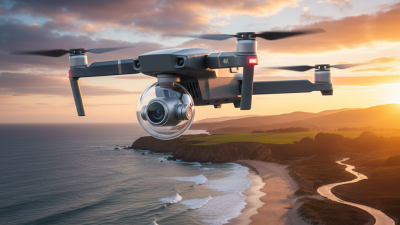
Choosing the best rc drone for beginners is less about flashy specifications and more about safe, manageable practice. A first aircraft should feel predictable in a small backyard, not overwhelming in a crowded feature list. Beginners need stable hovering, simple controls, durable propeller guards, and batteries that support repeated short flights. A clear camera is useful, but reliable handling matters more.
Drone educator Alan Perlman has often stressed a practical principle: “Start with a drone that matches your skill level, not your ambition.” That advice remains valuable. A beginner may admire a professional camera drone, yet its weight, speed, and repair costs can create unnecessary frustration. A compact rc drone with altitude hold can help new pilots learn gentle turns, controlled landings, and orientation before attempting longer outdoor flights. Keep expectations realistic.
Experience also reveals a weakness in many buying guides. They mention range and resolution, but ignore wind, replacement parts, and controller comfort. A lightweight model may perform beautifully indoors, then drift noticeably outside. That detail matters. Look for product manuals, verified customer feedback, manufacturer support, and clear safety guidance before purchasing. Always practice in an open area, inspect the propellers, and follow local aviation rules.
There is no perfect first drone. There is only a suitable starting point. The right choice should make learning feel calm, visible, and repeatable. Mistakes will happen. That is part of learning.
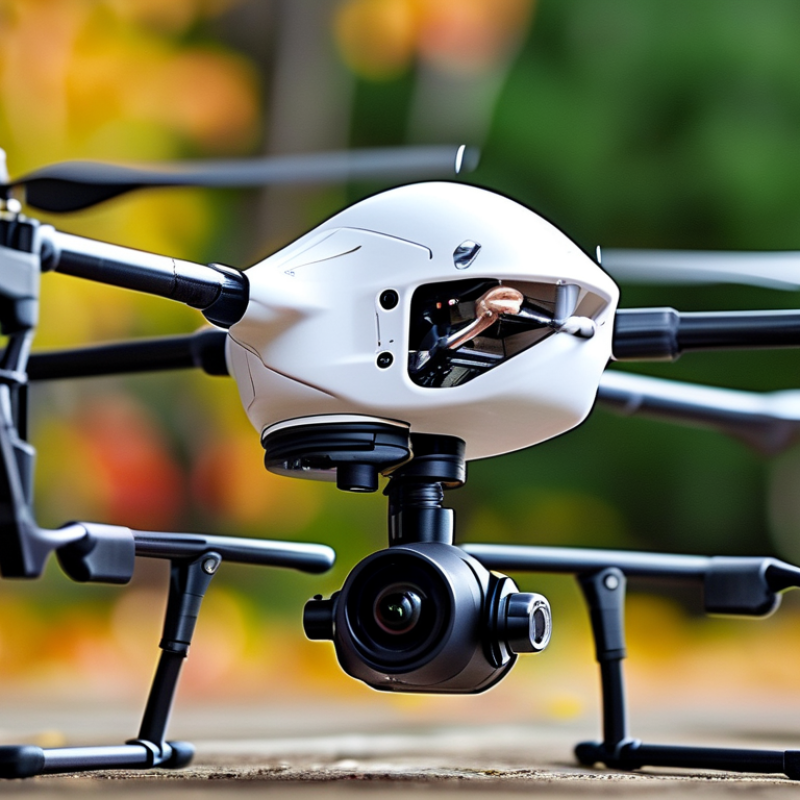
The best RC drone for beginners is not necessarily the fastest or cheapest. A beginner-friendly model should feel predictable in a small outdoor space. Look for stable hovering, gentle speed settings, and controls that respond without sudden jumps. Automatic takeoff and landing can reduce early mistakes. Propeller guards are useful near walls, grass, and furniture. A clear battery indicator matters too. Beginners often notice battery limits only after the drone starts drifting home.
Tips: Practice at knee height first. Use an open area away from people, trees, and power lines. Learn one control at a time, including throttle, turning, and forward movement. Check the battery before every flight. Read local flight rules and follow them. Avoid windy conditions, even if the drone feels steady indoors.
A beginner-friendly drone should also be easy to maintain. Removable propellers, accessible replacement parts, and simple charging reduce frustration after a minor crash. A camera is helpful, but it should not distract from basic control practice. I would avoid choosing a model only because it has impressive specifications. That judgment can be wrong. Longer flight time may bring extra weight, while very light drones can struggle outdoors. Small errors become obvious when the drone tilts near a doorway or lands unevenly on short grass. Reliable instructions and responsive customer support also show practical quality, although they are easy to overlook before purchase.
For a new pilot, stable flight matters more than impressive speed. Choose a drone with altitude hold and responsive controls. These features help it hover near eye level without constant stick adjustments.
In my first practice sessions, I watched the drone drift toward a fence. I reacted too late. A beginner-friendly model should also include gentle speed settings and clear control signals. Small mistakes become easier to correct.
Durable propeller guards are useful for indoor practice and narrow spaces. They protect the propellers during soft collisions, though they cannot prevent every crash. Look for simple battery installation and a charger with visible status lights.
A battery that lasts around ten minutes can feel short. Two or three spare batteries make practice less frustrating. I once focused too much on flight time and ignored charging convenience. That was a poor trade.
A basic camera can be helpful, but it should not decide the purchase. New pilots need to learn orientation before chasing sharp aerial footage. Bright navigation lights help during cloudy afternoons and low-light practice.
An emergency stop function can reduce damage after a serious mistake. Check the controller range carefully, and follow local flight rules. I prefer a drone that feels predictable over one that performs flashy flips. Still, “predictable” is subjective. Wind, space, and pilot confidence change the experience.
Choosing the best RC drone for beginners starts with controls, not camera resolution. A lightweight toy-grade model usually uses two sticks: throttle and yaw on the left, pitch and roll on the right. Its controls feel simple, but wind can push it across a garden quickly. My first practice flights were easier indoors, over a clear floor, with propeller guards fitted.
Camera drones add altitude hold, optical-flow positioning, and sometimes satellite-assisted stability. These features reduce workload, yet they can hide weak piloting habits. Drone Industry Insights’ 2024 market report forecasts strong expansion in commercial drone activity, but its figures do not specifically measure beginner success. That distinction matters. Bigger market numbers do not prove easier control.
FPV-style drones demand more attention. Their manual modes connect stick movement directly to attitude, while assisted modes soften the response. For a new pilot, adjustable rates are valuable because slow turns feel less dramatic. Look for a controller with comfortable stick spacing, a clear battery warning, and a reliable emergency stop. Some beginner guides overstate “return-to-home” safety; it depends on configuration, signal conditions, and local rules. The FAA’s recreational guidance also requires flyers to complete TRUST in the United States. Check your jurisdiction before flying. A modest drone with stable controls often teaches more than a powerful model with complicated settings. I would still budget for spare batteries, because short flight sessions can make progress feel frustratingly slow.
| Drone Type | Typical Beginner Skill Level | Control System | Flight Stabilization | Typical Flight Time | Durability and Maintenance | Main Advantages | Best Beginner Use |
|---|---|---|---|---|---|---|---|
| Small Indoor Toy Quadcopter | Very easy Suitable for first-time pilots |
Two-stick transmitter; throttle and yaw on the left stick, pitch and roll on the right stick | Usually includes a basic six-axis gyro; altitude hold may be included on some models | Approximately 5–10 minutes per battery | Usually protected by lightweight propeller guards; batteries and propellers are commonly replaceable | Low operating risk, simple controls, inexpensive replacement parts, and suitable for practicing orientation | Indoor practice, basic hovering, takeoff, landing, and gentle turns |
| Entry-Level Outdoor Quadcopter | Easy to moderate Requires basic stick control |
Two-stick transmitter with selectable speed or control-rate modes | Gyro stabilization is standard; altitude hold is common; some models add position assistance | Approximately 8–20 minutes per battery | Lightweight frames are reasonably repairable, but wind and hard landings can damage motors or propellers | More space for learning, better visibility, and a useful balance between stability and manual control | Outdoor training in calm weather, figure-eight patterns, and short recreational flights |
| Camera Quadcopter with Assisted Flight | Easy Assistance reduces the initial learning curve |
Two-stick control with phone or screen-based camera monitoring; some systems offer automated return or position assistance | Electronic stabilization is often combined with altitude and satellite-based position assistance | Approximately 15–35 minutes per battery, depending on aircraft size and payload | More sensors and gimbal components can increase repair cost; propeller guards are recommended for beginners | Stable video, easier hovering, assisted positioning, and more predictable outdoor handling | Beginners who want aerial photography after learning basic takeoff, landing, and emergency procedures |
| Manual Acro or FPV Quadcopter | Difficult Not ideal as a first aircraft |
Two-stick transmitter; manual or acrobatic mode requires continuous throttle and attitude control | Acro mode provides little or no automatic leveling; a first-person video system may be used for orientation | Approximately 3–10 minutes per battery, depending on motor power and battery capacity | Frames are often designed for impact repair, but propellers, motors, and electronic components may need frequent replacement | Fast response, precise maneuvering, strong control feedback, and advanced aerobatic capability | Experienced learners, simulator practice, and pilots specifically interested in racing or freestyle flying |
| Fixed-Wing RC Aircraft | Moderate to difficult Requires continuous forward flight |
Elevator, rudder, aileron, and throttle controls; stick layout differs from a multirotor | Many traditional models have limited stabilization; assisted versions may provide leveling support | Approximately 8–30 minutes per battery, depending on aircraft size and flying style | Efficient in the air but vulnerable during landing; foam airframes are easier to repair than rigid composite airframes | Longer gliding capability, efficient cruising, and a clear introduction to aircraft flight dynamics | Beginners with access to an open field, an instructor, and enough room for takeoff and landing |
| Coaxial or Beginner Helicopter | Moderate Stable but mechanically different |
Two-stick transmitter controlling throttle, yaw, pitch, and roll; some designs use simplified control mixing | Gyro assistance is common, but hovering still requires regular corrections | Approximately 5–12 minutes per battery | Mechanical linkages and rotor parts require inspection; rotor blades can be damaged by collisions | Useful for learning hovering and yaw control without the quadcopter flight profile | Indoor or calm-weather practice where a pilot wants to learn helicopter-specific handling |
What Is the Best RC Drone for Beginners?
The best beginner drone is not always the fastest or most advanced model. Choose one with propeller guards, stable controls, and a clear battery indicator. A lightweight frame can reduce damage during early crashes. Before flying, read the entire manual, even the boring sections. Check the body, propellers, motors, and battery for cracks or swelling. Never fly with damaged batteries. Charge them on a nonflammable surface, away from heat and moisture. Keep spare batteries stored safely and use the correct charger.
Practice in an open, private area with no people, traffic, power lines, or buildings nearby. Confirm local aviation rules before taking off. Some places require registration, altitude limits, or permission. Keep the drone within direct visual range. Do not rely only on a phone screen. Start with gentle throttle movements at knee height, then practice hovering, turning, and landing. Wind can make a small drone surprisingly difficult to control. Avoid rain, fog, and strong gusts.
Privacy matters too. Do not record homes, gardens, or strangers without permission. A spotter can watch obstacles while you focus on the controls. Stop immediately when the battery warning appears. I still think beginners often practice too close to obstacles; confidence grows faster than judgment. That mistake is easy to repeat. Slow practice feels dull, but it builds safer habits.
A suitable beginner drone should be easy to control, flown within visual line of sight, and used in a safe open area. The chart summarizes key requirements for recreational drone flying in the United States. Each item is a required safety or compliance checkpoint rather than a performance score.
U.S.-focused guidance: recreational flyers must complete the required safety test, maintain visual line of sight, yield to aircraft, stay at or below 400 feet in uncontrolled airspace, avoid flying over people or moving vehicles, and avoid operating under the influence. Drones weighing more than 0.55 lb generally require registration.
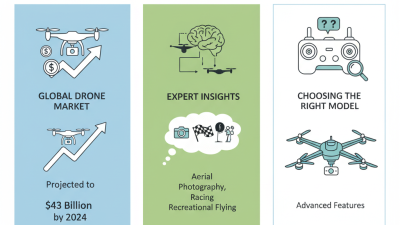
Choosing the best RC drone begins with your learning goal, not camera resolution. Drone Industry Insights’ 2024 Drone Market Report values the global drone market at approximately US$54.6 billion. That growth creates many confusing choices. Decide what you want to practise: indoor control, outdoor navigation, photography, or fast reactions. For indoor lessons, choose a lightweight model with propeller guards, low-speed mode, and position holding. It should survive small mistakes. Mine did not.
For outdoor learning, prioritize stable flight, visible battery warnings, and a controller with clear physical sticks. FAA registration data show more than 800,000 registered drones in the United States. This scale reflects real demand, but it also reinforces responsible preparation. Check local flight requirements before flying. A beginner should practise in an open area, away from people, roads, and obstacles. Start with short flights. Ten calm minutes teaches more than one dramatic launch.
Match the drone to your patience. A camera-focused learner needs adjustable angle control and stable video transmission. A pilot learning manual control may prefer fewer automatic features. A basic flight simulator can reduce early crashes. Spare propellers matter, too. I once ignored that small expense and stopped practising for a week. Battery life also deserves scrutiny; advertised flight time often exceeds practical use after wind and repeated takeoffs. Read independent testing, not only product specifications. A reliable choice feels slightly boring at first. That is probably useful.