What is a 4k drone and how to choose the best one?
In today's world, the demand for high-quality aerial photography is soaring. A 4k drone can capture stunning visuals with exceptional clarity. These drones feature advanced technology that enables users to take breathtaking photos and videos from the sky. Yet, choosing the right 4k drone can be overwhelming due to the myriad of options available.
When selecting a 4k drone, consider several critical factors. First, think about your experience level. Beginners may prefer user-friendly models with automatic features. In contrast, experienced pilots might seek drones with advanced controls and customization options. Battery life is also vital; a longer duration means more time to capture the perfect shot.
Additionally, assess the weight and portability of the drone. A lightweight drone is easier to carry on adventures. Reviews and ratings can provide insights, but remember, personal preferences matter. Not all highly-rated drones will suit your specific photography needs. Reflecting on your requirements will guide you in making the best choice.
What is a 4K Drone and Its Key Features?
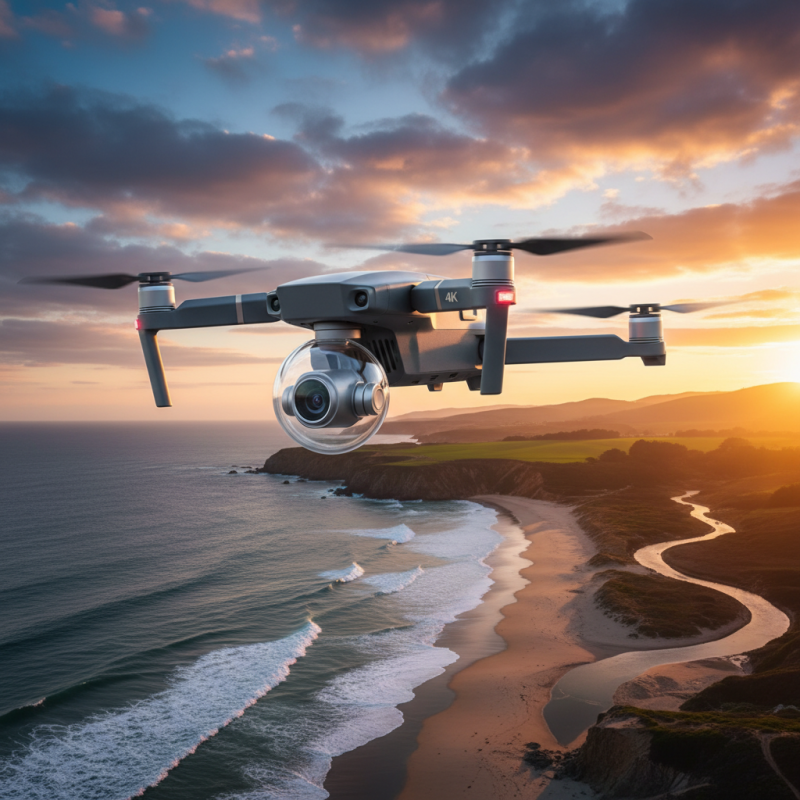
A 4K drone is a powerful tool for capturing stunning aerial footage. Its key feature is the ability to record video in 4K resolution, which offers four times the detail of standard HD. This high resolution allows for vivid colors and sharp images, enhancing the overall quality of the footage. According to a recent report from the Consumer Technology Association, 4K video is becoming the standard in the imaging market, with a projected growth rate of 30% annually.
When choosing a 4K drone, consider various features. Image stabilization is critical for reducing shaky footage. Advanced drones often include gimbal systems that keep images steady, even in windy conditions. Another important factor is flight time. Many high-quality models offer flight times between 25 to 30 minutes. However, drone battery life can be misleading. Frequent use and cold weather can significantly reduce performance. Users should monitor battery health for optimal longevity.
Camera quality and sensor size also play vital roles. A larger sensor captures more light, producing better images in low-light conditions. Some drones come with interchangeable lenses for varied shooting perspectives. However, increased features often come at a higher price. Buyers need to balance budget constraints with their specific needs. Understanding these details can lead to more informed decisions when selecting a 4K drone.
Benefits of Using a 4K Drone for Aerial Photography
Using a 4K drone for aerial photography transforms how we capture images. The crisp resolution offers unparalleled detail, making landscapes and events come to life. Photographers can now capture striking images with vibrant colors. The clarity of 4K footage provides incredible opportunities for professional and amateur photographers alike.
High-quality drones are equipped with advanced stabilization features. These reduce shaky footage, ensuring smooth shots even in windy conditions. Moreover, the ease of use appeals to beginners. Many drones have intelligent flight modes, allowing for hands-free operation. However, achieving perfect shots still requires practice and skill. It's essential to understand the basics of composition and lighting to make the most of this technology.
Selecting the right 4K drone can be overwhelming. There are various models with different features and price points. Despite advancements, some drones may struggle in low light or adverse weather. Evaluating reviews and user experiences is crucial. Also, consider your specific needs, whether they are for travel, real estate, or artistic expression. It's important to reflect on these aspects before making a purchase.
Essential Factors to Consider When Choosing a 4K Drone
When choosing a 4K drone, several essential factors come into play. Image quality is crucial. A true 4K resolution captures stunning details. Look for drones with high-quality lenses for optimal performance. Camera stabilization is also key. Drones with gimbal systems provide smoother shots, even in windy conditions.
Battery life should not be overlooked. Longer flight times allow for more footage. A drone with at least 20-30 minutes of flight can make a significant difference. Range is another factor. A drone that can fly farther gives more creative freedom during shoots.
Ease of use matters, especially for beginners. An intuitive interface and beginner modes can enhance the experience. Consider the weight and portability too. Heavier drones may have more features but can be cumbersome. Assessing these details will guide you toward a well-rounded choice that fits your needs.
4K Drone Features Comparison
Top Recommended 4K Drones in the Market Today
Choosing the right 4K drone can elevate your aerial photography and videography. The market today offers a variety of options. Factors like camera quality, flight time, and ease of use are vital for making a choice. Many drones feature impressive stabilization technology. This enhances the clarity of shots, even in windy conditions. Some models also include intelligent flight modes, simplifying complex maneuvers.
When looking at top-rated 4K drones, consider the battery life. Many drones operate for about 20 to 30 minutes per charge. This may be sufficient for short shoots but could lead to frustrations for longer projects. It's worth assessing what type of shooting you plan to do. Compact size is another important aspect, especially if you travel frequently.
Investing time in research will pay off. Reading user reviews can give insights into real-world performance. However, remember that not all feedback is reliable. Some may exaggerate strengths or weaknesses. Ultimately, knowing your specific needs will guide you toward the best choice. It’s okay to feel overwhelmed, as the options can be vast. Take your time, compare models, and ask seasoned drone pilots for advice.