What is Waterjet Cutting Machinery and How Does It Work?
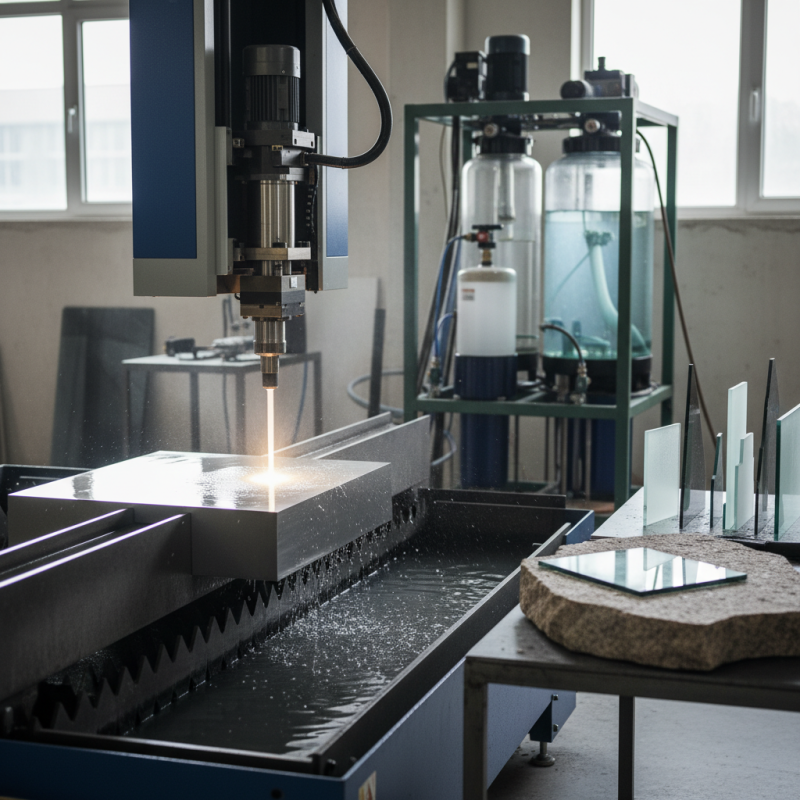
waterjet cutting machinery is a fascinating technology that uses high-pressure water to cut a variety of materials. It operates by directing a focused jet of water, often mixed with an abrasive, to create a clean and precise cut. This method is versatile, making it suitable for industries ranging from aerospace to automotive.
The appeal of waterjet cutting is its ability to work with different materials. It can cut metal, glass, and stone, leaving smooth edges and minimal heat-affected zones. However, it is not without its challenges. The equipment can be costly, and operational training is essential.
One reflection on this technology is the impact of water consumption. As global water scarcity rises, it's crucial to consider the sustainability of using waterjet cutting machinery. This highlights a balance between efficiency and responsibility in manufacturing practices. Waterjet cutting serves various industries but prompts questions about its environmental footprint.
What is Waterjet Cutting Machinery? An Overview of Technology
Waterjet cutting machinery is an innovative technology that uses high-pressure water to cut materials. The method employs a mixture of water and abrasive substances, allowing for precision cutting of a variety of materials, from metals to glass. According to a recent industry report, the global waterjet cutting market is projected to reach $2 billion by 2027, growing at a CAGR of 7.5%. This growth indicates increasing popularity in manufacturing sectors.
The technology operates by shooting a concentrated stream of water at speeds exceeding 900 m/s. The waterjet can slice through materials up to 6 inches thick. Key advantages include minimal heat affected zones and the capability to cut intricate designs. Nevertheless, the machinery requires skilled operators. The complexity of setup can lead to operational setbacks and inefficiencies.
Despite these drawbacks, waterjet cutting is favored for its environmentally friendly approach. Unlike laser cutting, it does not produce harmful gasses. However, maintenance and operational costs may become a hurdle for smaller businesses. As the technology evolves, some projects may still face challenges in achieving maximum efficiency. Industry professionals continue to explore methods to mitigate these issues, pushing for innovations that enhance ease of use and effectiveness.
The Mechanism of Waterjet Cutting: Understanding High-Pressure Systems
Waterjet cutting relies on high-pressure systems to deliver a precise and powerful cutting force. A typical waterjet cutter operates by pressurizing water to extreme levels, often exceeding 60,000 psi. This pressurized water then exits through a specialized nozzle, forming a narrow, high-velocity jet. When aimed at various materials, this jet can effortlessly slice through metals, glass, and stone.
The mechanism behind waterjet cutting is relatively straightforward but fascinating. A high-pressure pump is crucial to the process, converting standard water into an intensely focused stream. This system often includes intensifiers and filtration units to ensure the purity of the water used. However, challenges can arise. Maintaining consistent pressure is vital; fluctuations can lead to uneven cuts. The setup demands careful calibration, with operators needing to check components regularly for performance issues.
Understanding waterjet technology also highlights its limitations. While effective for many materials, some hard composites can present difficulties. Furthermore, waterjet cutting generates considerable waste water, prompting environmental concerns. Operators must consider recycling systems to mitigate this impact. Proper training is essential for those using this technology, as expertise can significantly affect cutting quality and efficiency.
Types of Waterjet Cutting Techniques: Abrasive vs. Pure Waterjet
Waterjet cutting technology utilizes high-pressure water streams to cut materials. Among the various methods, two primary techniques stand out: abrasive waterjet and pure waterjet cutting. Each offers unique advantages suited for different applications.
Abrasive waterjet cutting involves mixing a stream of water with abrasive particles. This method effectively cuts through tougher materials like metal and stone. The abrasive enhances the cutting power, allowing for intricate designs and detailed work. It's ideal for projects requiring precision in dense materials. However, the use of abrasives can lead to wear and tear on cutting equipment.
On the other hand, pure waterjet cutting uses only water, making it perfect for softer materials. This method is great for applications like cutting plastics, rubber, and food. It’s a cleaner option, with no added materials to clean up afterward. But, it does have limitations. Pure waterjets may struggle with tougher materials and may require multiple passes for a clean cut. Balancing efficiency with capability often becomes a crucial decision.
Applications of Waterjet Cutting: Industries Leveraging This Technology
Waterjet cutting technology has gained traction across multiple industries due to its unique capabilities. The aerospace sector utilizes waterjet cutting for materials like titanium and composites. This method allows for intricate shapes without thermal distortion. According to industry reports, over 40% of aerospace manufacturers are exploring advanced cutting technologies, with waterjet systems leading the way.
The automotive industry is another significant player. Waterjet cutting delivers precision that traditional methods struggle to match. Businesses report a reduction in material waste of about 30% when using waterjet technology. This characteristic is especially vital in an industry focused on sustainability. However, some manufacturers cite the initial investment in waterjet systems as a barrier.
Moreover, the stonework industry benefits greatly from waterjet cutting precision. It allows artisans to create decorative patterns and custom shapes in granite and marble. Yet, not all craftsmen have adopted this technology. Some remain tied to traditional tools, often citing a learning curve and the cost of maintenance. While the potential is evident, a mix of tradition and innovation persists in stone cutting.
What is Waterjet Cutting Machinery and How Does It Work? - Applications of Waterjet Cutting: Industries Leveraging This Technology
| Industry | Application | Material Cut | Advantages |
| Manufacturing | Component fabrication | Metal, Plastic | Precision cutting |
| Aerospace | Part trimming | Composite materials | Minimal waste |
| Food Processing | Food portioning | Meat, Vegetables | No heat affected zones |
| Construction | Concrete cutting | Concrete, Stone | Versatile application |
| Automotive | Body part design | Steel, Aluminum | Speed and accuracy |
Advantages of Waterjet Cutting: Precision, Versatility, and Material Compatibility
Waterjet cutting technology has gained popularity in various industries due to its unique advantages. One of the key benefits is precision. Waterjet cutting can achieve accuracy of ±0.1 mm. This makes it ideal for intricate designs and high-tolerance applications. It can cut materials from metals to ceramics without altering their properties. The process generates minimal heat, which reduces the chance of thermal distortion.
Versatility is another strong point. Waterjet cutting can handle a wide range of materials. Metals, glass, plastics, and stone are just a few examples. According to industry reports, over 50% of waterjet users appreciate its ability to cut such diverse materials. This capability allows businesses to diversify their offerings.
Tips:
When using waterjet technology, be aware of the materials' thickness. Thicker materials may require a more powerful jet and longer cutting times. Regular maintenance of the machinery is crucial for maintaining cutting quality and efficiency.
Material compatibility is a significant consideration. Waterjet cutting doesn’t introduce unwanted changes to the material's structure. However, it’s essential to note that not all materials react the same way. Some composites may require adjusting the water pressure. Experimentation and practice can lead to improved outcomes and waste reduction.