Top 10 Video Drone Tips for Beginners to Capture Stunning Footage?
As the popularity of video drones surges, newcomers often feel overwhelmed. In 2022, the global drone market was valued at $22.5 billion, with a significant share attributed to video applications. Capturing stunning aerial footage requires skill and knowledge, especially for beginners. These drones are powerful tools but can be tricky to master.
Professionals in the industry recommend understanding your equipment. The features of video drones can vary greatly. Familiarize yourself with terms like gimbal stabilization and frame rates. These technical details significantly impact your footage quality. Reports from the Association for Unmanned Vehicle Systems International (AUVSI) indicate that up to 70% of beginners encounter pitfalls due to a lack of preparation.
The path to impressive video drone footage is not solely about the device. It involves practice and learning from mistakes. Waiting for the right lighting and understanding composition can transform your shots. Embracing these initial challenges will enhance your skills over time. Remember, even seasoned drone pilots continually refine their techniques.
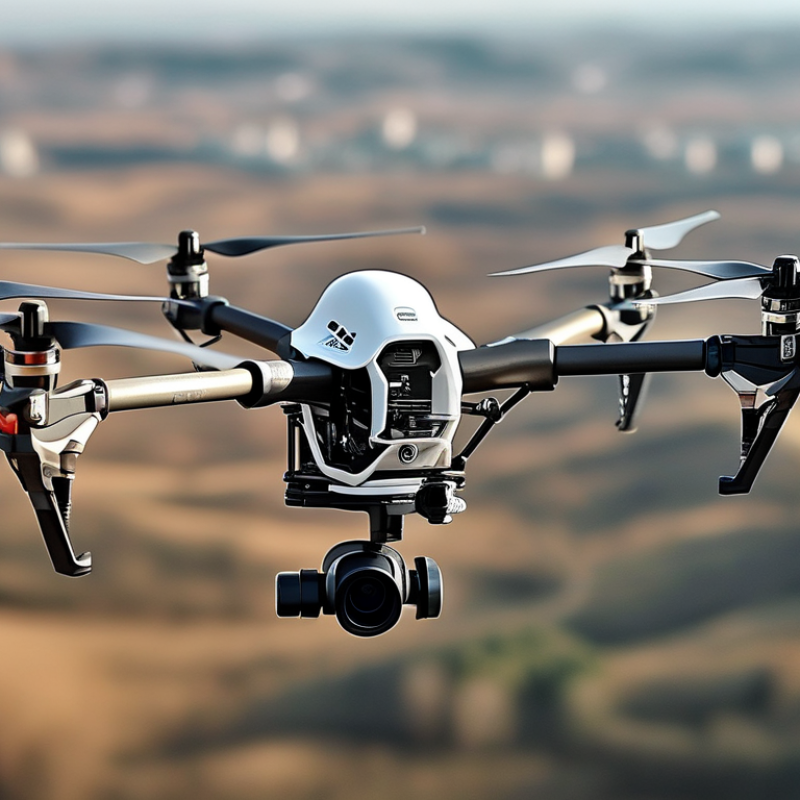
Essential Equipment for Beginner Drone Videography
Choosing the right equipment is crucial for beginner drone videography. A solid drone is your foundation. Look for a model that balances quality and ease of use. Consider the camera specifications. High resolution and good stabilization can make a difference. Don't overlook battery life. A longer flight time allows for more creative shots.
When you start flying, practice is key. Fly in an open space. This reduces the chances of accidents and gives you room to explore. Keep your drone within line of sight. It helps you maintain control and avoid unexpected obstacles. Another point to remember is weather conditions. Wind can greatly affect your footage quality.
Invest in a good set of spare batteries. This ensures you won't run out of power during an essential shoot. Also, consider using ND filters. They reduce glare and improve video quality. Learning to edit your footage is equally important. Even stunning visuals can fall flat without good editing. Embrace the learning process. Don't be afraid to make mistakes; they can lead to growth and improvement over time.
Top 10 Video Drone Tips for Beginners
Understanding Drone Settings for Optimal Footage
Understanding drone settings is crucial for capturing stunning footage. Beginners often overlook the importance of configuring their drones properly. Start with the camera settings, ensuring the right resolution and frame rate. A higher resolution provides sharper images. Frame rates affect motion capture; 30fps is ideal for smooth footage, while 60fps works well for fast action.
Next, focus on exposure settings. The shutter speed should generally be double the frame rate. This rule helps create natural motion blur. Pay attention to ISO settings as well. Keeping the ISO low in bright conditions prevents grainy footage. In low light, increasing the ISO can improve visibility, but too high will introduce noise.
Always remember to adjust the white balance to match your environment. This setting impacts color accuracy. Flying during golden hour enhances footage quality, adding warmth and vibrancy. Before taking off, practice flying skills and make aware of surrounding obstacles. It’s easy to underestimate winds and light changes, which significantly affect your shots. Each flight is a chance to learn and improve. Adjust settings as you gain experience and discover what works best for your style.
Best Practices for Planning Aerial Shots
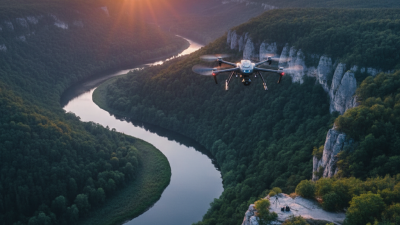
Planning your aerial shots is crucial for capturing stunning drone footage. Research shows that 70% of successful drone videos are the result of careful planning. This includes understanding the location, weather conditions, and the best time of day for shooting. The golden hour, just after sunrise or before sunset, offers optimal lighting for captivating visuals. Use tools like weather apps to predict wind speeds and conditions, ensuring a smooth flying experience.
Pay attention to your composition. Rule of thirds can vastly improve your shots. Instead of centering your subject, place it off to the side. This simple adjustment can enhance the overall visual appeal. Keep in mind that framing can change dramatically with altitude. Experiment with different heights to find the most striking angles.
Prepare for challenges during your shoot. Battery life can often be a limiting factor. Studies indicate that many drone operators underestimate flight duration. Always carry extra batteries for longer sessions. Also, familiarize yourself with the drone’s controls in open areas to gain confidence. Practice makes perfect, but always be aware of your surroundings. This mindfulness can prevent accidents and help you focus on capturing that perfect shot.
Techniques for Capturing Dynamic Movement in Video
Capturing dynamic movement with a video drone involves mastering specific techniques. One essential aspect is understanding the drone's flight modes. Many drones offer modes like sports or cinematic, which affect camera responsiveness and speed. In a study by the UAV Research Institute, proper mode selection can enhance footage quality by up to 40%. Beginners can often overlook this, leading to footage that lacks fluidity.
Using dynamic angles diversifies your shots. Try low-angle shots that rise and reveal landscapes. This technique adds depth and interest to your footage. It helps in creating a narrative, making the viewer feel part of the experience. Experimenting with different heights and distances can improve your storytelling, according to industry experts.
When filming moving subjects, try to anticipate their movement. Aerial tracking techniques can create breathtaking shots. Keeping your subject in the frame while adjusting altitude and angle requires practice. This can be challenging, especially for beginners, but capturing that perfect moment is rewarding. Regular practice helps refine your skills, but don't shy away from reviewing your footage critically. Acknowledging errors is crucial for growth in drone videography.
Editing Tips to Enhance Your Drone Footage
Editing drone footage can significantly enhance the final product. Many beginner drone operators overlook the power of editing. Research indicates that well-edited videos hold viewers' attention 80% longer than raw footage. Basic editing software provides essential tools to cut, trim, and merge clips effectively.
Color correction is a crucial technique. Drone footage can sometimes look flat. Adjusting the color balance can bring out vibrant greens and deep blues typical of aerial shots. A simple adjustment can elevate the visual appeal substantially. A study showed that 70% of viewers prefer color-enhanced footage. Additionally, incorporating smooth transitions can create a more professional look. However, overusing transitions can distract from the main content.
Sound design is equally important. Adding ambient sounds or a fitting soundtrack can transform the viewing experience. Statistics show that videos with proper audio have an 85% higher engagement rate. Experimenting with sound levels helps maintain balance and avoids overwhelming the visuals. Reflect on how the use of audio makes your footage feel. Learning from feedback is key to improvement. Embrace the editing process as a way to refine your skills, actively seeking ways to enhance each project.