How to Use a Surveillance Drone for Effective Monitoring?
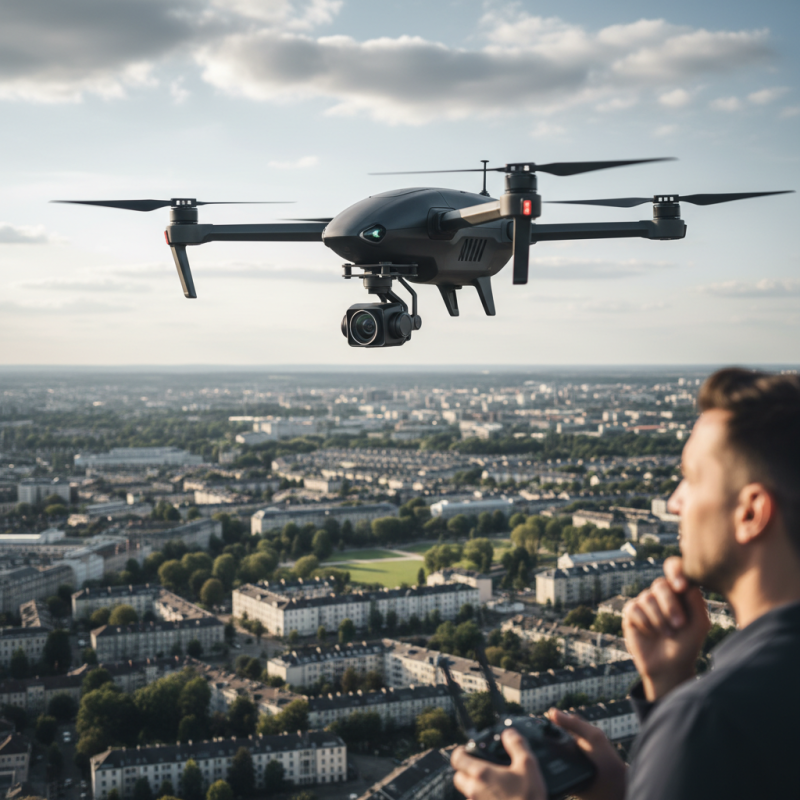
Using a surveillance drone for effective monitoring has gained popularity. These tools offer dynamic perspectives for observing vast areas. However, they raise questions about privacy and ethics.
Surveillance drones can provide real-time data. They are capable of capturing high-resolution images from above. With advancements in technology, many users are excited about their potential. Yet, the misuse of surveillance drones can lead to unintended consequences.
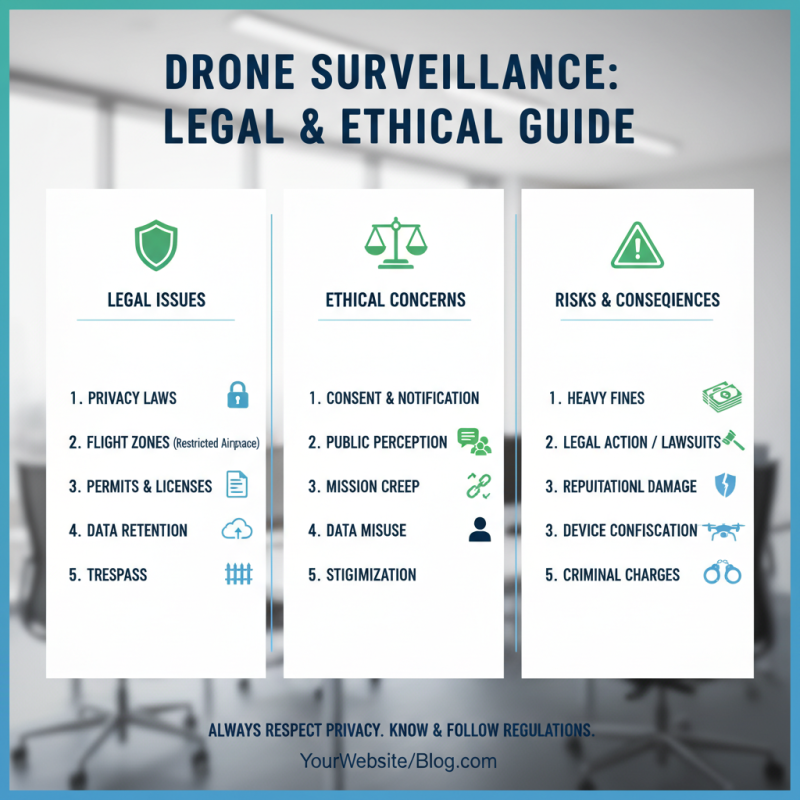
Working with these devices requires responsibility. Operators must understand local regulations. They should also consider public perception. Striking a balance is not always easy. Monitoring can be effective, but sensitivity is key. Reflection on the ethical implications is essential as we utilize this innovative technology.
Understanding the Basics of Surveillance Drones
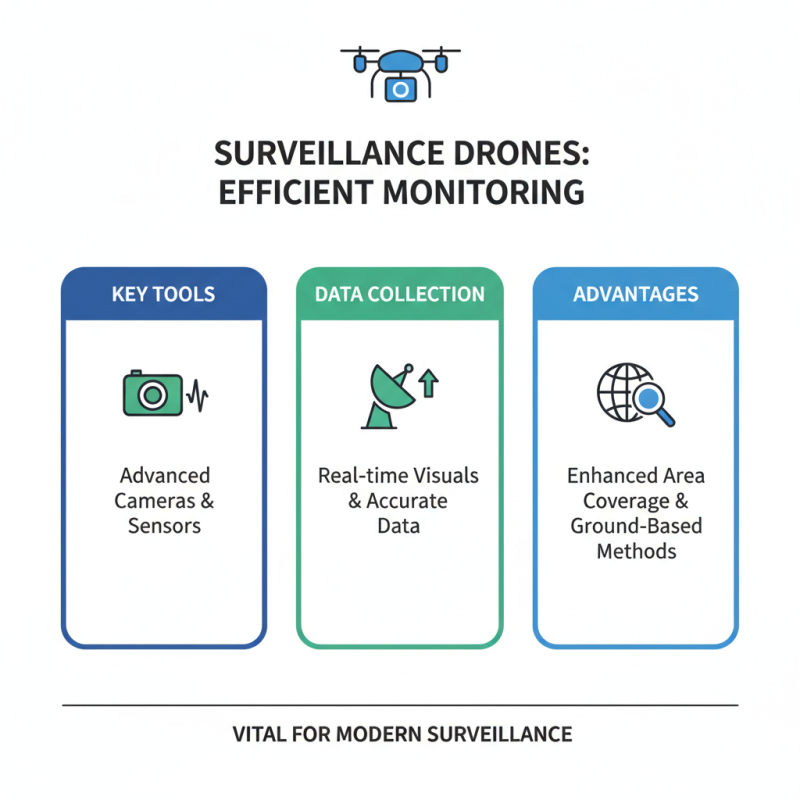
Surveillance drones have become vital tools for monitoring various areas efficiently. These drones are equipped with advanced cameras and sensors. Understanding how to utilize them effectively is crucial for accurate data collection. They provide real-time visuals that ground-based methods simply cannot match.
Tips: Always ensure proper calibration of your drone before use. Mistakes in setup can lead to poor data quality. Familiarize yourself with the drone's controls and flight patterns. Practice in an open space with minimal obstructions. This experience will help enhance your confidence during real monitoring tasks.
Some users may struggle with managing battery life. Dropping power mid-mission can lead to incomplete assessments. Plan your flight times carefully. Consider carrying extra batteries to extend your monitoring sessions. Also, review the footage thoroughly post-flight. This helps in identifying any missed details that might be crucial.
Types of Surveillance Drones and Their Applications
Surveillance drones have gained traction across various sectors. Different types cater to unique needs. For instance, quadcopters are popular for close-range monitoring. They offer agility and can navigate urban environments easily. Reports indicate that the global drone market is projected to reach $43 billion by 2024, driven largely by surveillance applications.
Fixed-wing drones are designed for extensive coverage. They can survey larger areas and stay airborne longer than quadcopters. This is useful in agriculture for crop monitoring. In 2020, around 70% of farmers noted improved yield through drone monitoring. However, the cost and technical expertise required can be barriers for some.
Thermal drones play a crucial role in security. They can detect heat signatures, making them effective for surveillance at night. Nonetheless, the reliability of data collected can vary. Initially, users may overestimate capabilities, leading to poor assessments. Balancing technology and human judgment is essential for effective monitoring. Understanding each drone type’s strengths and weaknesses is vital for strategic deployment.
Surveillance Drone Types and Their Applications
Setting Up Your Surveillance Drone for Monitoring
Setting up a surveillance drone for effective monitoring requires careful planning.
Begin by selecting an appropriate location for deployment. Think about the area you want to oversee.
Consider any obstructions that might block the drone’s view. A clear line of sight is crucial for accurate monitoring.
Next, familiarize yourself with the drone's features. Check the camera specifications, flight range, and battery life.
A drone with high-resolution video capability will provide clearer images.
Test the drone in your chosen area to understand its strengths and weaknesses.
Sometimes, the results may not meet expectations. Adjust your strategy accordingly.
Remember, the setup process may require multiple attempts. Each flight can reveal new challenges. Reflect on what works and what doesn’t.
It’s essential to stay adaptable. Effective monitoring depends on continuous learning and improvement.
Techniques for Effective Surveillance Drone Operation
Using a surveillance drone effectively requires attention to detail and proper techniques. Understanding your drone's capabilities is crucial. Are you familiar with its range and battery life? Knowing this allows for better planning during operations.
When setting up for monitoring, choose your location wisely. High vantage points often provide the best angles. However, be aware of obstacles like trees or buildings. These can obstruct your view and affect data collection.
Tips: Always check weather conditions before flying. Wind can affect stability, making it hard to capture clear footage. Ensure your drone is fully charged and calibrated.
Another key technique is to practice flying. Skillful operation can differentiate mundane footage from high-quality surveillance. Take time to become comfortable controlling your drone. Engage in routine training exercises to remain proficient.
Remember, even the most advanced equipment needs an operator who understands their environment. Spend time learning about your surroundings. It's essential for making informed decisions during operations.
How to Use a Surveillance Drone for Effective Monitoring? - Techniques for Effective Surveillance Drone Operation
| Technique |
Description |
Recommended Altitude (ft) |
Battery Life (mins) |
Camera Resolution |
| 360-Degree Surveillance |
Utilizing drones with rotating cameras to monitor wide areas. |
150-200 |
30 |
4K |
| Night Vision Monitoring |
Employ drones equipped with infrared cameras for nighttime surveillance. |
100-150 |
25 |
1080p |
| Thermal Imaging |
Using thermal cameras to detect heat signatures from a distance. |
200-300 |
20 |
640x480 |
| Live Streaming |
Real-time video footage shared with monitoring teams for instant reaction. |
120-180 |
28 |
2.7K |
| Automated Flight Paths |
Programming drones to follow specific routes for consistent monitoring. |
250-350 |
35 |
4K |