Top 10 Solenoid Valve Manufacturers for Global Buyers
Solenoid Valve technology quietly controls many critical processes, from pneumatic cylinders to water-treatment dosing lines. Its compact body can open or stop fluid flow within milliseconds. Yet speed alone does not define a dependable valve.
Market research shows sustained global demand. Fortune Business Insights valued the solenoid valve market at approximately USD 4.63 billion in 2023. Its forecast suggests growth toward about USD 7.77 billion by 2032. MarketsandMarkets also identifies automation, process industries, and fluid-control systems as major demand drivers. Reported figures vary, because researchers classify valve types and end-use sectors differently. That difference deserves attention.
For global buyers, supplier selection involves more than comparing catalog prices. Engineers must verify pressure ratings, temperature limits, coil voltage, response time, sealing materials, and certification records. A valve rated for clean water may fail quickly in abrasive chemical service. Stainless-steel construction can improve durability, but it may not solve every compatibility problem. Installation support matters too.
This guide reviews ten leading Solenoid Valve manufacturers serving international markets. The comparison considers product breadth, manufacturing experience, quality systems, customization capability, delivery reach, and technical support. Public certifications and published specifications provide useful evidence, but they are not complete proof of field performance. Buyers should request current test reports and representative references before placing large orders.
The shortlist is practical, not absolute. Regional specialists may outperform larger brands in certain applications. That is worth remembering. A reliable purchasing decision matches verified engineering data with the actual operating environment, not reputation alone.
How Solenoid Valves Work and Where They Are Used
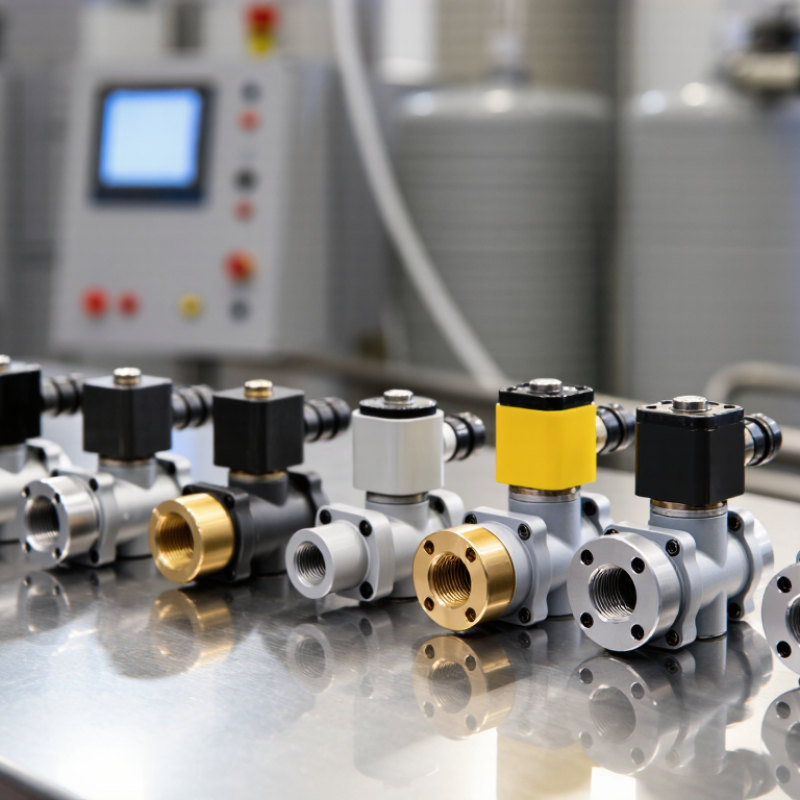
Solenoid valves control fluid flow through an electrical signal. Inside the valve, a coil creates a magnetic field when energized. This field pulls a metal plunger, opening or closing an internal passage. When power stops, a spring usually returns the plunger to its original position.
Common designs are normally closed and normally open. A normally closed valve stays shut without power, which can improve safety during an outage. Direct-acting models handle smaller flow rates and respond quickly. Pilot-operated models suit larger pipes, but they need enough pressure to work correctly. That detail is easy to miss.
These valves appear in irrigation systems, compressed-air equipment, water treatment units, heating controls, medical devices, and factory automation. In a workshop, correct sizing often matters more than appearance. Engineers should check pressure range, fluid temperature, port size, voltage, seal material, and duty cycle. A valve made for air may not suit hot water or aggressive chemicals.
Installation also affects reliability. Dirt can block the plunger, while unstable voltage may overheat the coil. A filter before the valve can prevent repeated failures. Testing should include leakage, response time, and operation during power loss. I have found that simple assumptions cause many service problems. The best choice is not always the largest valve; it is the one matched to the real conditions.
Top 10 Solenoid Valve Manufacturers for Global Buyers
How Solenoid Valves Work and Where They Are Used
A solenoid valve uses an energized electromagnetic coil to move a plunger and open or close the flow path. This representative 24 V DC control cycle shows the relationship between coil voltage and valve state.
Typical applications: water treatment, compressed air systems, irrigation, HVAC equipment, process automation, fuel systems, medical devices, and industrial machinery.
Operating principle: when the coil receives power, magnetic force moves the plunger and changes the valve position. When power is removed, a spring or pressure differential usually returns the valve to its normal position.
Key Criteria for Evaluating Global Solenoid Valve Manufacturers
Top 10 Solenoid Valve Manufacturers for Global Buyers
Evaluating global solenoid valve manufacturers requires more than comparing catalog prices. Confirm pressure ratings, temperature ranges, flow performance, sealing materials, and electrical specifications. These details must match your media, equipment, and operating environment.
Request traceable material records and recent test reports. Check whether the manufacturer follows relevant international standards and provides certificates for your target market. A reliable supplier should explain testing methods, inspection points, and acceptable tolerances. Ask about coil life, switching cycles, ingress protection, and failure rates under real conditions.
Factory experience matters. A practical audit should review machining areas, assembly stations, calibration equipment, and final inspection records. I once found a supplier with impressive samples but inconsistent batch documentation. That was a warning. Look beyond polished presentations. Evaluate response times, spare-part availability, warranty terms, and technical support across time zones. A clear production schedule also reduces risk during urgent replacements.
Price is only one variable. Calculate installation labor, energy use, maintenance frequency, shipping, and downtime. Request samples before approving large orders. Test them with your actual fluid, pressure, and duty cycle. No evaluation is perfect. Still, documented evidence and repeated testing make the decision more dependable.
Top 10 Solenoid Valve Manufacturers by Product and Market Strength
Top 10 Solenoid Valve Manufacturers by Product and Market Strength
The global solenoid valve market is expanding across water treatment, industrial automation, medical equipment, and process control. Fortune Business Insights estimates the market could grow from about USD 5.3 billion in 2023 to USD 8.7 billion by 2032. Other reports, including MarketsandMarkets, forecast a more moderate growth rate. Estimates differ. That matters when comparing the ten leading manufacturers.
Product strength should come before popularity. The strongest suppliers usually offer direct-acting, pilot-operated, proportional, high-pressure, and steam-rated valves. Their portfolios should cover brass, stainless steel, engineered plastics, and corrosion-resistant seals. A reliable manufacturer also provides pressure-drop curves, coil temperature data, cycle-life testing, and compatibility charts. Small details matter.
Market strength requires more than factory capacity. According to Deloitte’s industrial manufacturing research, customers increasingly value resilient supply chains, digital monitoring, and regional service support. Manufacturers with local inventory, documented quality systems, and responsive engineering teams often reduce downtime. Certifications for electrical safety, pressure equipment, food processing, and hazardous locations also influence purchasing decisions.
However, certification alone proves little. Actual test records and field experience deserve greater weight. The ranking is not perfectly stable, because a supplier strong in compact medical valves may lack heavy-duty process expertise. That limitation should remain visible.
Comparing Valve Types, Materials, Ratings, and Industry Applications
Global buyers should compare solenoid valves by function, not catalog appearance. Direct-acting valves respond quickly and work with low pressure. Pilot-operated valves suit larger flow rates but need enough pressure to shift the diaphragm. Semi-direct designs offer a useful compromise for unstable systems. Small errors matter.
Material selection changes service life. Brass performs well in clean air, water, and general industrial lines. Stainless steel handles corrosion, washdown, and many chemical environments more reliably.
Seals also deserve attention. Nitrile suits oils and ordinary air, while EPDM performs better with hot water and some outdoor conditions. Fluorocarbon compounds tolerate higher temperatures, but they are not universal.
In commissioning work, I verify pressure range, orifice size, voltage, connection type, and duty cycle together. A valve rated for 24 VDC may fail when a weak power supply creates voltage drop. Check the coil’s insulation class in warm cabinets. Food processing needs cleanable surfaces and suitable seal materials. Pneumatic equipment often needs fast cycling and low leakage. Irrigation systems may prioritize debris tolerance instead. Datasheets can look precise, yet installation conditions remain less predictable. Ask manufacturers for test data, replacement-part availability, and traceable quality records. A lower purchase price can become expensive after repeated coil failures. Manufacturers with practical application support usually reduce that risk.
How Global Buyers Can Select and Purchase the Right Manufacturer
Choosing a solenoid valve manufacturer requires more than comparing prices on a spreadsheet. Global buyers should examine valve materials, pressure ranges, coil performance, and documented quality controls. Request technical datasheets, test reports, and clear product tolerances before making a decision.
Look for proven manufacturing experience in your application. A supplier serving water treatment may not understand chemical dosing or high-cycle automation. Ask for relevant case studies, production photos, and sample inspection records. Confirm communication speed, engineering support, replacement parts, and packaging standards. Small details matter. A damaged connector can delay an entire installation.
Supplier audits are useful, but they are not perfect. Review certifications carefully and check whether independent laboratories issued them. Discuss lead times, minimum order quantities, payment terms, and delivery responsibilities in writing. A pilot order can reveal assembly quality, labeling accuracy, and response time. Never rely only on a polished website.
Compare at least three qualified manufacturers. Test samples under real pressure, temperature, and switching conditions. Measure leakage, response time, noise, and power consumption. Ask how the supplier handles nonconforming products. A reliable manufacturer should provide traceability from raw materials to final inspection. Yet every factory has limitations. Buyers should record unresolved concerns and decide whether the risk is acceptable. This practical discipline supports safer purchasing and more stable long-term supply.