China Top 10 LED Display Module Suppliers
China has become a major manufacturing center for the global LED display industry, supported by dense electronics supply chains, large-scale packaging capacity, and strong export infrastructure. This makes a China Top 10 LED Display Module Suppliers comparison useful for buyers seeking stable quality, competitive pricing, and responsive customization.
Market data confirms the sector’s continuing expansion. MarketsandMarkets estimates that the global LED display market will grow from approximately USD 9.8 billion in 2024 to USD 13.5 billion by 2029. Grand View Research also reports sustained growth through 2030, driven by advertising screens, sports venues, retail displays, and control rooms. However, these reports use different market definitions. Their figures should guide research, not replace supplier verification.
A dependable Led Display Module supplier should demonstrate more than attractive samples. Buyers should examine pixel pitch consistency, brightness uniformity, refresh rate, cabinet compatibility, thermal design, and long-term spare-part availability. Factory audits, aging-test records, and certifications such as CE, RoHS, and EMC documentation can reveal practical strengths. Some suppliers communicate impressive specifications but provide limited field evidence. That gap deserves attention.
This guide evaluates leading Chinese suppliers through manufacturing experience, product coverage, quality controls, export capability, and after-sales support. It also considers application details, from fine-pitch indoor modules viewed at close range to weather-resistant outdoor modules facing sunlight and rain. Rankings can never be perfectly universal. Project requirements, regional service, and verification results may change the final choice.
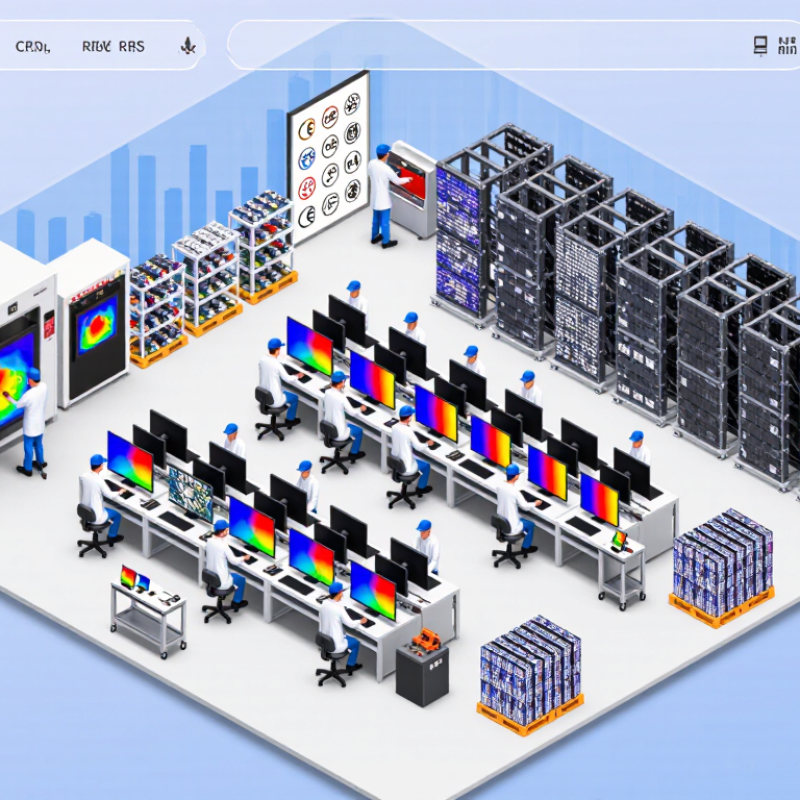
Definition and Role of LED Display Modules in the Chinese Market
China Top 10 LED Display Module Suppliers
An LED display module is the basic visual unit inside a larger screen. It normally combines LEDs, a printed circuit board, driver ICs, connectors, and protective materials. Modules are installed into cabinets, then assembled into indoor or outdoor displays. Their pixel pitch, brightness, refresh rate, color consistency, and heat control directly affect screen performance.
In China, modules support advertising, transportation, stadiums, command centers, retail spaces, and cultural venues. They also make maintenance faster. Technicians can replace one damaged unit instead of removing an entire screen. Grand View Research estimates that the global LED display market will expand at an 8.1% compound annual growth rate from 2024 to 2030. This growth increases demand for smaller pixels, efficient power systems, and reliable module production. China remains important because its supply chain connects LED chips, packaging, driver electronics, assembly, and export logistics.
Quality is more than brightness. A practical module should resist moisture, maintain stable color, and match neighboring modules after replacement. Outdoor products may require sealed structures and high ingress protection. Indoor products often prioritize fine pitch and quiet operation. The market is not perfectly measured. Different reports define “module” and “display” differently. A screen can look impressive in a showroom, yet perform poorly under heat, rain, or long operating hours. Buyers should therefore verify test records, thermal data, warranty conditions, and sample consistency before selecting suppliers.
Key Criteria for Evaluating China’s Top LED Display Module Suppliers
China Top 10 LED Display Module Suppliers
Key Criteria for Evaluating China’s Top LED Display Module Suppliers
When evaluating China’s top LED display module suppliers, begin with production evidence, not polished brochures. I inspect solder joints, mask alignment, connector seating, and cabinet fit. A reliable supplier can show dated inspection records, batch codes, and traceable component sources. Ask for samples from regular production. One perfect sample proves little. Request three batches instead.
Technical capability should match the display’s real environment. Review pixel pitch, brightness stability, refresh rate, viewing angle, and thermal behavior. Ask for test data at different temperatures, not only laboratory conditions. Check module protection, moisture resistance, and calibration methods. Engineers should explain failure rates in plain language. Vague answers deserve a second review. Confirm whether firmware, receiving cards, and power systems work together. Compatibility problems can appear after installation.
Reliability also depends on communication and after-sales discipline. Measure quotation accuracy, response time, spare-part availability, and warranty procedures. A supplier should identify risks before signing, including lead times and design changes. Factory video calls help, but independent inspections offer stronger evidence. I once treated fast replies as proof of competence. That judgment was too generous. Compare corrective-action reports, not promises. Ask for references from similar climates and project sizes. Pricing should be judged against lifecycle cost, energy use, replacement speed, and downtime. The cheapest module may become expensive on a wet, heavily used facade.
Profiles of the Top 10 Chinese LED Display Module Suppliers
China Top 10 LED Display Module Suppliers
The leading Chinese LED display module suppliers differ in scale, engineering depth, and export experience. Their profiles often reveal practical strengths beyond factory size. Some focus on fine-pitch indoor modules for control rooms and retail walls. Others produce weather-resistant outdoor modules with reinforced frames and sealed connectors. A few serve rental projects, where fast installation and repeated handling matter.
Reliable suppliers usually show complete production records, stable quality checks, and clear technical documents. Buyers should examine pixel pitch, brightness, refresh rate, cabinet compatibility, and power consumption. Factory audits can reveal details that brochures miss, such as soldering consistency or warehouse humidity control. In my experience, sample testing remains essential. One successful sample does not prove long-term stability.
Tips: Request several samples from different batches. Test them for color uniformity, heat buildup, connector strength, and continuous operation. Ask how rejected modules are handled. A supplier may offer attractive pricing but weaker after-sales support. That risk is easy to underestimate. Also check whether the stated warranty includes replacement labor and shipping. Small contract details can become expensive later.
Product Capabilities, Technologies, and Target Applications
China’s top 10 LED display module suppliers are best compared through capability, not catalog size. Module formats commonly range from fine-pitch indoor panels to weather-resistant outdoor units. Experienced buyers inspect pixel consistency, cabinet tolerance, brightness control, and spare-part availability. Small differences matter. At close viewing distances, stable grayscale and low scan-line artifacts protect text clarity. Outdoor projects require sealed modules, conformal protection, thermal design, and controlled power distribution.
Core technologies include SMD packaging, COB packaging, high-refresh driving, calibration software, and energy-saving control systems. COB can improve surface protection, but repair procedures may be less convenient. Fine-pitch SMD supports serviceability and detailed images, although it can expose more physical damage. Reliable suppliers document binning standards, aging tests, color measurements, and operating temperature ranges. Ask for test records. Claims without measured data deserve caution.
Target applications shape the correct module choice. Retail walls need quiet operation, accurate skin tones, and simple front access. Broadcast studios demand high refresh rates, low moiré risk, and tight color calibration. Stadiums prioritize long viewing distances, high brightness, impact resistance, and rapid maintenance. Transportation hubs need readable text under changing daylight. Some suppliers offer impressive samples but weaker after-sales coordination. That gap is easy to miss. Request sample aging results, installation references, and clear warranty boundaries before ordering.
How to Select the Right Chinese LED Display Module Supplier
Selecting the right Chinese LED display module supplier requires more than comparing prices. Start by defining pixel pitch, cabinet size, brightness, viewing distance, and installation environment. A supplier should explain these choices clearly, not simply recommend its fastest-selling model.
Request a complete datasheet and a production sample. Check LED consistency, PCB soldering, connector strength, and module flatness under direct light. For outdoor projects, verify waterproof ratings, conformal coating, operating temperature, and corrosion resistance. Ask for test records covering brightness, color uniformity, power consumption, and aging time. Short sentences matter. Details reveal competence. Factory visits can confirm equipment, quality checkpoints, and storage conditions. However, a clean showroom proves little without production evidence.
Review certifications, warranty terms, spare-part policies, and response times before signing an agreement. Confirm whether the quoted price includes masks, magnets, cables, packaging, and replacement modules. Ask how the supplier handles dead pixels or color differences after installation. A written quality standard reduces arguments later. I once saw a project delayed because the supplier treated delivery dates as estimates. That mistake was expensive. Require a realistic production schedule, inspection photos, and shipment records. Compare at least three suppliers using the same technical requirements. The cheapest quote may hide weaker components, limited testing, or costly replacements. Leave room for doubt, and test before scaling.