What is a Set Screw and How Does It Work?
In the world of mechanical fastening, a Set Screw plays a vital role in ensuring stability and precision. These small, threaded fasteners are often used to secure objects in place, preventing relative motion. According to industry reports, the global fastener market is projected to reach $120 billion by 2025, with set screws holding a significant share due to their widespread applications in machinery and automotive sectors.
Set Screws are not merely designs of steel; they embody engineering efficiency. Their unique ability to provide frictional locking makes them invaluable in assemblies where space is tight. However, installation requires careful consideration. Poor choices in material or size can lead to failure in performance. For instance, using the wrong thread type may compromise the connection.
Additionally, maintenance is key. A neglected Set Screw can loosen over time, affecting overall equipment integrity. This underlines the importance of regular inspections. Proven by reports, around 15% of machinery failures are attributed to fastener issues. Thus, understanding how Set Screws function and when to replace them is essential for longevity in mechanical systems.
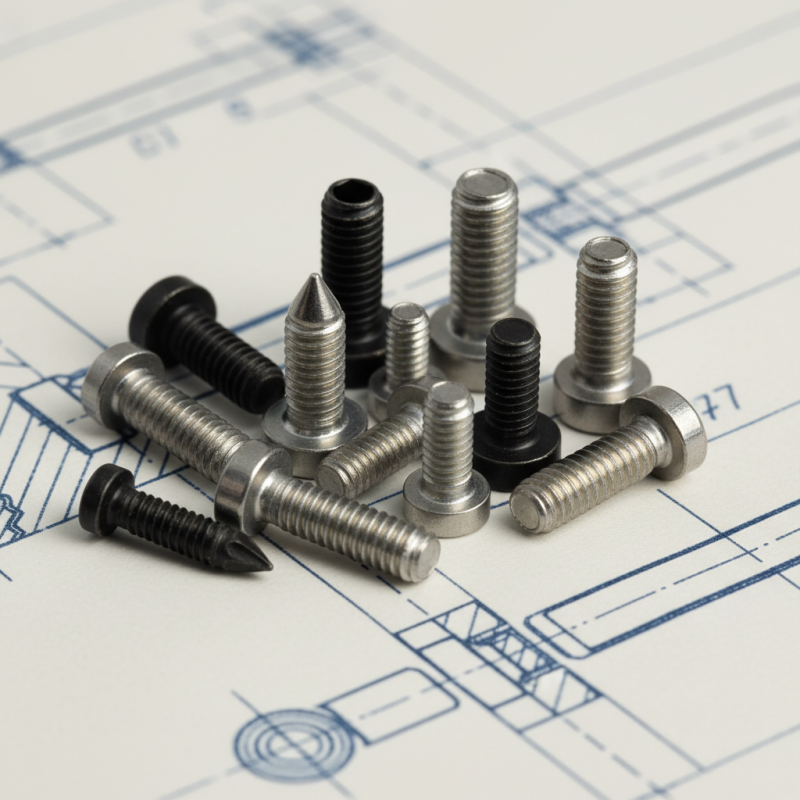
Definition of a Set Screw and Its Common Uses
A set screw is a type of fastening device commonly used in engineering and manufacturing. Typically made from steel, these screws have no head and are designed to secure an object within or against another. This unique design allows them to fit into tight spaces. The primary function is to hold rotating parts, such as pulleys and gears, onto a shaft. Set screws are crucial in applications requiring precision and stability.
Common uses of set screws include securing handwheels, controlling axial movement, and providing torque transmission between moving components. In the automotive industry, set screws often secure parts within engines, ensuring reliability under high-pressure conditions. According to a report from the Fastener Quality Act, proper usage of fasteners like set screws can significantly enhance overall machinery performance and longevity.
Tips: Always choose the right material for the set screw based on the application's environment. For example, stainless steel set screws resist corrosion better than others. Using a correct tightening method can also prevent slippage and damage over time. Regular inspections can help in identifying wear and ensuring safety, particularly in critical applications.
What is a Set Screw and How Does It Work? - Definition of a Set Screw and Its Common Uses
| Feature | Description |
| Definition | A set screw is a type of fastener used for securing an object within or against another object, often without the use of a nut. |
| Common Materials | Typically made of steel, stainless steel, brass, or plastic. |
| Types | Cup point, flat point, cone point, and hexagon socket. |
| Mechanism | Tightened into a pre-drilled hole to exert friction against the surface of the object to secure it. |
| Common Uses | Used in machinery, automotive applications, and securing handles and knobs. |
| Advantages | Provides a secure hold, compact design, and cost-effective options. |
| Disadvantages | Can strip threads if over-tightened, may require pre-drilled holes, and not suitable for all applications. |
Types of Set Screws: Materials and Designs
Set screws are vital fasteners used in various applications, particularly in machinery. Their effectiveness largely relies on the material and design. Common materials include stainless steel, carbon steel, and brass. Each material offers unique properties. For instance, stainless steel provides corrosion resistance, making it suitable for moist environments. Carbon steel, on the other hand, delivers durability but could rust if not treated.
In terms of design, set screws come in different types: cup point, flat point, and cone point. Cup point screws have a rounded tip, ideal for gripping and securing parts. Flat point screws are better for applications requiring minimal marring on the surface. Cone point screws can penetrate surfaces well, ensuring a tight hold. According to industry reports, the global fasteners market is projected to grow due to increased demand in construction and manufacturing.
Tips: Always match the set screw type to your application. The wrong design can lead to failure. Pay attention to environmental factors too. For instance, choose materials that resist corrosion in harsh conditions. A well-selected set screw enhances performance and longevity in machinery, helping avoid costly repairs.
Mechanisms of Action: How Set Screws Secure Components
Set screws are small, yet essential components in mechanical assemblies. They provide a reliable way to secure one component to another, preventing relative motion. This is crucial in applications where precision is paramount. A set screw typically fits into a threaded hole. It applies pressure against the surface of the item it is securing, creating a fixed position. The most common types include cup point, flat point, and cone point. Each type serves a specific need based on the application's requirements.
The mechanism of action involves friction and pressure. When tightly fastened, the set screw digs into the surface of the component, increasing grip. This can be a double-edged sword. If over-tightened, it may damage the component or strip the threads. The right torque is essential for optimal performance. Incorrect installation can lead to failure, causing unexpected downtime or malfunction. Regular checks and maintenance are vital to ensure that set screws function correctly. Even slight wear can affect their performance.
Installing and Removing a Set Screw: Best Practices
Installing and removing a set screw requires attention to detail. When installing, ensure the screw aligns correctly with the threaded hole. Use the appropriate tool, often an Allen wrench, to avoid stripping the screw head. Tighten firmly but don’t overdo it; excessive torque can cause damage. A good practice is to apply a small amount of thread-locking adhesive for added security. This helps prevent loosening over time due to vibration.
When it comes to removal, patience is key. If the screw is stuck, try applying penetrating oil. Allow it to soak, then use the right-sized tool to carefully turn the screw counterclockwise. If it resists, excessive force can damage the head. In such cases, gently tapping the screw with a hammer may help. Remember, not every installation will go smoothly. Reflection on your method can improve future attempts.
Applications of Set Screws in Various Industries
Set screws are small but vital components in various industries. They secure objects without protruding, fitting snugly into their designated spaces. In manufacturing, set screws are commonly used to hold gears in place on shafts. This prevents slippage, ensuring machinery operates smoothly. Engineering teams rely on this reliability, yet, a poor choice of material can lead to failure. This highlights the importance of selecting the right specifications.
Set screws also play a key role in furniture assembly. Manufacturers use them to join parts discreetly. When done properly, this results in a clean look. However, improper installation can weaken a joint. In the automotive industry, they help secure components under high stress. An inadequate set screw can lead to costly repairs. Each application demands careful consideration and expertise.
In electronics, set screws help stabilize intricate components. They must be tightened to a precise torque. Over-tightening can cause damage. Conversely, under-tightening may lead to loose connections. Industries continue to evolve, employing set screws in innovative ways. Yet, the challenge remains to balance reliability and efficiency. Understanding their applications is essential for any professional in the field.
Applications of Set Screws in Various Industries
This chart illustrates the various applications of set screws across different industries, highlighting their significance in automotive, construction, manufacturing, aerospace, and electronics. The percentages represent the distribution of set screw usage within these sectors.