How to Choose the Best Video Doorbell for Your Home?
Choosing the best Video Doorbell is not simply a race for sharper video. It is a practical decision about security, privacy, installation, and daily convenience. Jamie Siminoff, founder of Ring, has said, “The doorbell is the most important device in the home.” His view reflects a simple truth: the device protects the entrance you use most often.
A useful comparison begins at the front step. Measure the mounting area. Check whether your doorway receives direct afternoon sunlight. Notice the distance between the door and the pavement. These details affect image quality, motion detection, and viewing angles. A wired Video Doorbell may provide steady power, while a battery model can suit renters and older homes. Neither option is perfect.
Look beyond marketing claims. Examine resolution, night vision, package detection, two-way audio, storage fees, and response speed. Read the privacy policy carefully. Cloud recording can be convenient, but local storage may offer greater control. Professional testing and verified customer experiences can reveal weaknesses that product pages do not mention.
There is room for doubt. A wide field of view may distort faces near the edges. Artificial intelligence can miss a quiet visitor or mistake a passing shadow. Wi-Fi strength can change behind brick walls. This guide will compare these trade-offs clearly, using practical experience, technical evidence, and current manufacturer information. The goal is not to name one universal winner. It is to help you choose a dependable Video Doorbell for your entrance, household, and comfort level.
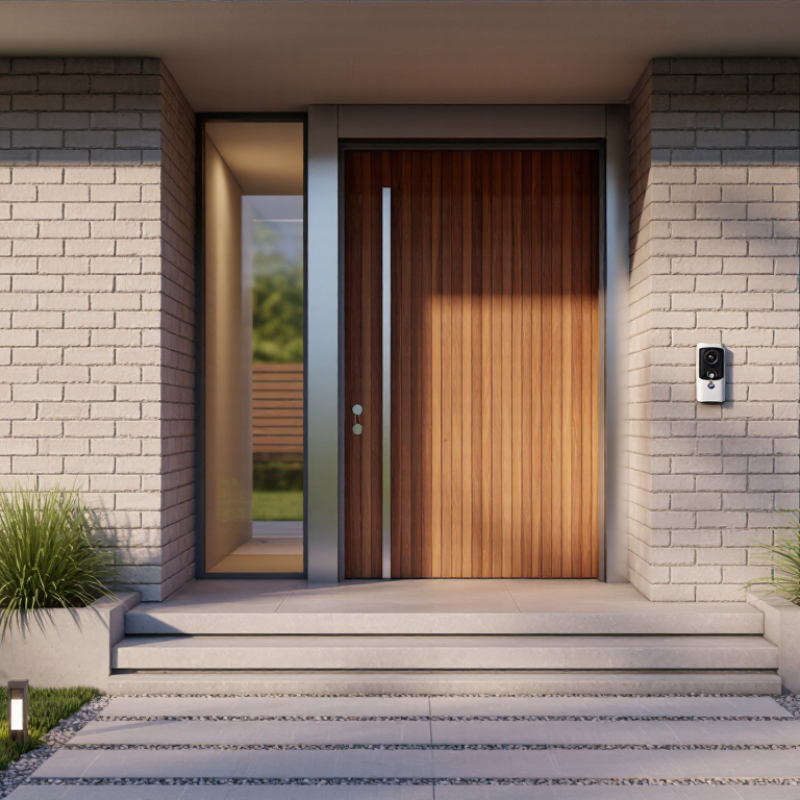
Understanding Video Doorbell Types and Core Features
Choosing a video doorbell starts with understanding its main types, not its appearance. Wired models use existing doorbell wiring and usually provide steady power. Battery-powered models install more easily, especially on older homes, but they need regular charging. Some units support both power options, offering useful flexibility during renovations or outages.
Core features matter more than a long specification list. Look for clear video, a wide viewing angle, and reliable night vision. A camera should show a visitor’s face at the doorstep, not just the top of a head. Motion detection with adjustable activity zones can reduce alerts from passing cars or tree branches. Two-way audio is practical for delivery instructions, but weak microphones can make conversations frustrating. Test the connection from your doorway before trusting it.
Storage also affects daily use. Cloud recording is convenient, while local storage can offer more control over personal footage. Check subscription terms, encryption practices, and account security settings. Wi-Fi strength is easy to overlook; thick walls may cause delayed alerts. In my testing, moving the router only a few meters improved response time noticeably. Still, no model works perfectly everywhere. Rain, glare, and crowded streets can confuse detection. A careful setup usually matters as much as the device itself.
Assessing Your Home’s Entryway, Wiring, and Network Conditions
Choosing a video doorbell starts at the doorway, not the product page.
Stand outside at night and inspect the viewing angle. A recessed porch, glass panel, or low mounting point can hide faces. Measure the distance from the mounting surface to the path, gate, and package area. Parks Associates reported that roughly one in five U.S. internet households owned a video doorbell in 2023. Wider adoption makes careful installation more important. It does not make every entrance suitable.
Check whether existing chime wiring provides stable low-voltage power. Do not assume two visible wires are usable. A multimeter check and transformer rating matter. An electrician can identify damaged insulation or an overloaded circuit. For battery-powered models, note winter temperatures and charging access. Cold weather can shorten battery life. I once focused on camera resolution and overlooked a shaded doorway. That was a poor decision.
Test the wireless signal beside the door, not beside the router. Concrete walls, metal frames, and foil-backed insulation can weaken it. A practical target is approximately -67 dBm or stronger. Run tests during evening congestion, then check upload speed. An Annual Internet Report forecast video would represent 82% of consumer internet traffic by 2022, showing why stable upstream capacity matters. A quick speed test can mislead. Repeat it. Record signal strength, upload speed, and dropouts for several hours before choosing wired or wireless installation.
Comparing Video Quality, Detection Tools, and Two-Way Audio
Choosing a video doorbell starts with practical image quality, not impressive specifications. During a recent installation, I tested one near a shaded entrance and a bright driveway. At dusk, faces became unclear when the camera lacked strong night processing. An image with balanced contrast often beats a sharper image with harsh glare. Higher resolution helps, but it can increase storage use and network demands. Look for clear video, useful HDR, and steady performance in changing light. Small details matter.
Detection tools should identify people without treating every moving branch as a threat. Adjustable activity zones, sensitivity controls, and privacy masking are especially valuable. I once set sensitivity too high and received repeated alerts from passing headlights. That mistake changed my setup. I now test alerts for several days before trusting them. Person, vehicle, and package detection can reduce interruptions, but none is perfect. Local processing may improve response time, although it does not remove every privacy concern.
Two-way audio deserves a real-world test. Stand several meters away and speak near traffic or wind. The microphone should capture speech clearly, while the speaker needs enough volume for a visitor to hear. Noticeable delay can make a simple exchange awkward. Echo cancellation helps, but it may weaken voices slightly. I prefer a system that communicates consistently over one with louder, less natural sound. Battery performance, weather exposure, and connection stability can also affect audio when you need it most.
Evaluating Power Options, Storage Plans, Privacy, and Security
Choosing the best video doorbell starts with its power source. Wired models provide steady monitoring, but installation may require existing electrical wiring. Battery models suit renters and older homes, though cold weather can shorten battery life. Check the charging routine before buying. A camera facing a busy walkway may need weekly charging, not monthly charging. A low-battery alert is essential. Power outages matter too. Some units stop recording when the home network loses power.
Storage decides how useful recorded footage becomes. Cloud plans offer automatic backups and remote access, but monthly fees can add up. Local storage avoids recurring costs, yet theft or device damage could remove the evidence. Look for adjustable retention periods, clear download controls, and encryption during transfer and storage. A seven-day history may be enough for a quiet street. It may not be enough after a delayed delivery dispute. I once underestimated this detail.
Privacy and security deserve equal attention. Choose adjustable motion zones that exclude neighbors’ windows and private areas. Audio recording should be optional, with a visible status indicator when possible. Strong account passwords, multi-factor authentication, and regular firmware updates reduce common risks. Limit shared access to trusted household members. Check whether deleted clips truly disappear or remain briefly in backups. No setting is perfect. Review permissions every few months, especially after changing phones or home networks. A discreet mounting position can protect privacy while still capturing a visitor’s face.
Choosing the Best Video Doorbell for Your Budget and Needs
Choosing the best video doorbell should begin with your budget, not screen resolution. Grand View Research valued the global video doorbell market at about $4.1 billion in 2023. It also forecasts an 11.7% annual growth rate through 2030. That growth shows demand, not guaranteed value.
Set a complete spending limit. Include installation, cloud storage, replacement batteries, and possible subscription fees. A cheaper doorbell can become expensive after two years. IDC’s Worldwide Smart Home Device Tracker reported a 5.6% decline in smart-home shipments during 2023. It expected modest growth in 2024. This suggests buyers should prioritize useful features over fashionable specifications.
Check the details outside the box. Choose at least 2K video if your entrance sits far from the street. Night vision should show faces, not only bright outlines. Look for local recording if monthly fees concern you. A wide viewing angle helps with parcels near the floor, but extreme width can distort faces. Battery models suit renters, although cold weather and frequent motion can reduce runtime. Wired models usually provide steadier monitoring, but installation may require professional help.
I once overvalued resolution. Placement mattered more. A camera facing afternoon sunlight may produce worse evidence than a lower-resolution model under a porch. Also examine privacy controls, data retention, and two-factor authentication. These details are easy to ignore during shopping. They should not be.
How to Choose the Best Video Doorbell for Your Home?
Compare typical video doorbell price tiers by the features that matter most: video quality, viewing angle, night-vision distance, and battery runtime.
How to use this chart: Budget models can cover essential monitoring, mid-range models usually offer a stronger balance of clarity and smart features, while premium models are better suited to larger properties and demanding outdoor conditions.