ZenaDrone Homepage

China Top Cable Lug Manufacturers How to Choose?

Choosing China’s top Cable Lug manufacturers requires more than comparing prices or browsing polished websites. A reliable supplier should prove performance through materials, testing, production control, and field experience. Copper purity, tin-plating quality, barrel dimensions, and insulation strength can affect every connection. Small differences may create heat, voltage loss, or premature failure inside a crowded control cabinet.

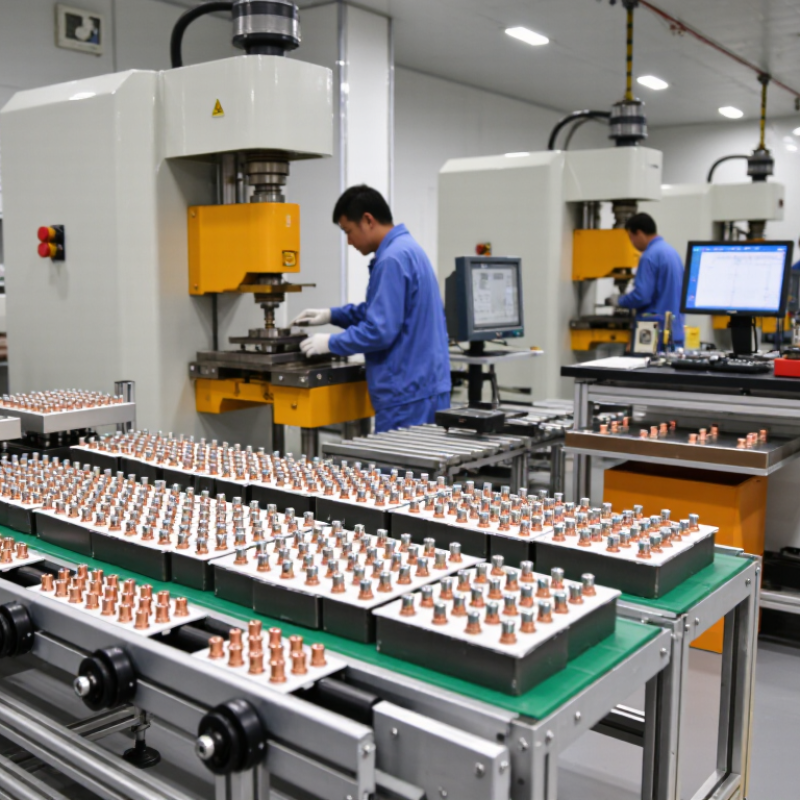
Look for manufacturers with documented quality systems and clear product traceability. Ask for test reports, material certificates, dimensional drawings, and sample approval records. Relevant standards may include IEC, UL, or other requirements for your target market. However, certificates alone are not enough. Visit the factory when possible, or request a live production inspection. Observe stamping, annealing, plating, crimp testing, and final packing. Real evidence matters.

Check whether the supplier understands your application. Automotive wiring, solar systems, industrial panels, and railway equipment need different designs. A competent manufacturer should recommend suitable copper grades, hole sizes, barrel lengths, and crimping tools. They should also explain tolerance limits without hiding behind technical language. Communication is part of quality.

Pricing still matters, but the lowest quotation can become expensive after installation failures. Request samples from several suppliers and compare fit, surface finish, crimp strength, and packaging consistency. Keep records of every result. Do not rely on one impressive sample. Production batches can vary.

There is no universal “top” manufacturer. The best choice depends on verified capability, stable delivery, responsive engineering support, and honest documentation. Some suppliers may look excellent online but perform poorly under inspection. That uncomfortable possibility deserves attention. A careful selection process protects both electrical reliability and your long-term supply chain.

China Top Cable Lug Manufacturers How to Choose?

What Are Cable Lugs and Why Does Manufacturer Selection Matter?

Cable lugs are small connection components fitted to the ends of electrical cables. They create a secure path between conductors, terminals, busbars, and equipment. Common types include copper, aluminum, bimetallic, tubular, and fork-shaped lugs. Each type suits different cable materials and installation conditions.

Manufacturer selection matters because a lug must handle heat, vibration, moisture, and electrical load. Poorly matched materials can cause corrosion or overheating. A reliable manufacturer should provide clear dimensions, material details, plating information, and compatible crimping requirements. Check whether products are tested against recognized electrical standards. Factory quality records and batch traceability also deserve attention.

Do not judge quality by appearance alone. A smooth surface can hide weak metal or inaccurate sizing. Ask for sample testing when possible. Confirm that the lug fits the actual conductor, die, and terminal. Field installers often find that small sizing errors create loose connections later. This is easy to overlook. A careful supplier should explain tolerances, storage limits, and installation methods without vague promises. I would also review technical support and delivery consistency, because a perfect specification is less useful when replacement parts arrive late. No selection process is flawless; conditions at the installation site may still reveal assumptions that need correction.

China Top Cable Lug Manufacturers: How to Choose?

Cable lugs are terminals used to connect cables securely to electrical equipment. Material selection affects conductivity, weight, heat performance, corrosion resistance, and installation suitability. The chart compares typical bulk properties of copper and aluminum, two widely used base materials for cable lugs.

Values are typical reference figures at approximately 20°C: electrical conductivity is expressed as a percentage of the International Annealed Copper Standard (% IACS), while density is shown in g/cm³. Actual cable-lug performance also depends on plating quality, crimp design, dimensional accuracy, corrosion protection, and verified testing to applicable standards.

How to Assess China’s Cable Lug Manufacturing Capabilities

Assessing China’s cable lug manufacturing capabilities requires more than comparing catalog prices. Start with the material. Ask whether copper purity, tin coating thickness, and aluminum grade are documented for each production batch. A reliable factory should provide test reports, material certificates, and clear lot numbers.

Inspect the tooling, not just finished samples. Look for controlled crimp dimensions, clean edges, and consistent barrel walls. Ask to see stamping, annealing, plating, and inspection processes. Production lines should use calibrated micrometers, tensile testers, and coating-thickness gauges. Testing should follow recognized electrical and mechanical standards. Request sample records, not promises.

Traceability matters. Each carton should link to a batch, operator, date, and inspection result. An on-site or video audit can reveal storage problems, mixed materials, or weak process control. Small details matter. For example, moisture near unfinished copper can affect surface quality before assembly.

A factory may pass one sample and still struggle with volume consistency. Run a pilot order and compare measurements across several cartons. Check crimp pull-out force, conductivity, fit, and packaging strength. I would also ask how rejected parts are isolated and corrected. Some answers will sound incomplete. That is useful evidence, not an inconvenience. My own assessment can be imperfect when supplier documents are translated or selectively presented, so independent testing remains worthwhile.

Which Technical Standards and Quality Indicators Should You Check?

When choosing among China’s top cable lug manufacturers, technical standards deserve more attention than polished product photos. Check whether the lugs comply with recognized standards, such as IEC 61238-1, UL 486A-486B, or DIN 46235. The correct standard depends on your market and installation method.

Ask for test reports covering electrical resistance, temperature rise, mechanical strength, and short-circuit performance. The conductor size must match the lug barrel precisely. Copper purity, tin-plating thickness, and crimping dimensions also affect service life. A bright surface means little without measurable data. Request material certificates and batch traceability.

Tips: Inspect sample lugs before ordering. Measure barrel length, hole diameter, wall thickness, and plating coverage. Confirm the recommended crimp die and tool force. Check whether reports come from an independent laboratory, not only an internal department. In field inspections, loose crimps often reveal poor tooling or inconsistent dimensions. Small differences matter.

A reliable manufacturer should explain its quality controls clearly. Look for incoming material inspection, production checks, and final sampling records. Ask how rejected parts are isolated. That answer can be revealing. A certificate alone is not enough. A perfect-looking lug may still have excessive resistance after crimping. I have seen specifications that seemed complete but omitted conductor flexibility and installation temperature. That gap deserves careful questioning before purchase.

China Top Cable Lug Manufacturers: How to Choose? Which Technical Standards and Quality Indicators Should You Check?

Evaluation Dimension What to Check Relevant Technical Standard or Reference Recommended Acceptance Indicators Verification Method and Required Evidence
Product Type and Application Confirm whether the lug is intended for copper conductors, aluminium conductors, or bi-metallic connections. Check whether it is suitable for indoor, outdoor, industrial, marine, or buried installations. IEC 61238-1 series; UL 486A-486B; DIN 46235 The product application, conductor material, voltage level, installation environment, and compatible conductor sizes should be clearly stated. Review the technical datasheet, product marking, installation instructions, and test reports for the exact product series.
Conductor Cross-Section Compatibility Check the approved conductor cross-sectional area, conductor class, outside diameter, and stranded or flexible construction. IEC 60228 for conductor classes and cross-sectional areas The actual conductor size must fall within the manufacturer's declared range. The barrel should not require excessive deformation or leave visible conductor strands outside the intended inspection area. Compare the cable specification with the lug marking. Verify fit using calibrated conductor samples and the specified crimping die.
Base Material Verify the material used for the palm and barrel, such as electrolytic copper, aluminium, or copper-aluminium bimetallic construction. IEC 61238-1 series; applicable material specification declared by the manufacturer Copper lugs should use high-conductivity copper suitable for electrical connections. Aluminium lugs should use an aluminium alloy suitable for the declared application. Material designation and batch traceability should be available. Request material certificates, chemical composition reports, and batch records. Where necessary, use XRF or laboratory chemical analysis.
Electrical Conductivity Check the resistance of the finished lug and crimped connection, including resistance stability after mechanical and thermal testing. IEC 61238-1 series; UL 486A-486B The connection should have low and stable resistance, with no abnormal increase after required current-cycling or environmental tests. Acceptance limits must follow the applicable product standard and approved test plan. Review four-wire resistance measurements, temperature-rise data, and current-cycling test results for the finished connection.
Crimping Performance Evaluate crimp profile, crimp count, crimp position, die compatibility, pull-out strength, and resistance to conductor movement. IEC 61238-1 series; UL 486A-486B; manufacturer's approved crimp chart The lug must be crimped only with the specified tool and die. The completed crimp should be uniform, free from cracks, and able to meet the required mechanical and electrical performance. Check crimp drawings, die codes, cross-section photographs, pull-out test results, and installation instructions. Confirm tool calibration records.
Mechanical Strength Check tensile or pull-out strength of the connection and resistance to vibration, bending, and installation handling. IEC 61238-1 series; UL 486A-486B The connection should withstand the mechanical load specified for its conductor size and product class without conductor slippage, barrel cracking, or separation. Review laboratory pull-out test reports and, for critical applications, perform independent tests on production samples.
Dimensional Accuracy Inspect palm width, palm thickness, hole diameter, hole center distance, barrel length, inside diameter, and overall length. DIN 46235; approved engineering drawings; relevant customer specifications Critical dimensions should remain within the drawing tolerances. The mounting hole must provide proper bolt fit without excessive clearance or interference. Use calibrated vernier calipers, micrometers, plug gauges, and coordinate-measuring equipment. Maintain inspection records by batch.
Contact Surface and Plating Check tin plating coverage, adhesion, thickness, uniformity, and the absence of exposed base metal, blisters, peeling, burrs, or sharp edges. IEC 61238-1 series; applicable coating specification; customer drawing The contact surface should be continuous, clean, and firmly bonded. Tin-plated surfaces should show no visible peeling or corrosion products. The required coating thickness should be defined by the purchase specification rather than assumed universally. Use visual inspection, coating-thickness measurement, adhesion testing, and microscopic examination where required.
Corrosion Resistance Assess resistance to humidity, salt atmosphere, industrial pollutants, and galvanic corrosion between dissimilar metals. IEC 60068-2 environmental test methods; ISO 9227 for neutral salt spray testing; IEC 61238-1 series where applicable The lug should remain electrically and mechanically functional after the specified environmental exposure. No red rust, severe white corrosion, coating failure, or unacceptable resistance increase should occur. Review salt-spray, damp-heat, and cyclic environmental test reports. Confirm that the test duration and sample construction match the ordered product.
Temperature Performance Verify continuous operating temperature, short-circuit withstand capability, thermal cycling, and temperature rise under rated current. IEC 61238-1 series; UL 486A-486B; installation-system requirements The connection should remain mechanically secure and electrically stable at the declared operating temperature. The lug rating should not exceed the rating of the cable, insulation, terminal, or system. Check temperature-rise curves, thermal-cycle results, short-time current data, and the stated maximum operating temperature.
Electrical Clearance and Insulation For insulated or covered lugs, inspect insulation material, dielectric strength, creepage, clearance, and compatibility with the system voltage. IEC 60664-1; applicable equipment and installation standards Insulated components should be free from cracks, voids, shrinkage, and exposed conductive parts outside the intended contact area. Voltage ratings must be clearly declared. Review insulation material data, dielectric test results, dimensional drawings, and the declared voltage and temperature ratings.
Bi-Metallic Compatibility For aluminium-to-copper connections, check the transition design, inhibitor compound, sealing method, and resistance to galvanic corrosion. IEC 61238-1 series; applicable utility or installation specifications The transition zone should prevent direct and harmful contact between incompatible metals. The connector should maintain low resistance after thermal cycling and environmental exposure. Request transition-zone construction details, corrosion test results, thermal-cycle data, and installation instructions for surface preparation.
Manufacturing Process Control Evaluate stamping, deep drawing, annealing, drilling, deburring, plating, cleaning, and final inspection controls. ISO 9001 quality-management principles; approved process-control plan Critical processes should have documented parameters, inspection frequencies, nonconformance controls, and traceability from raw material to finished product. Review process flow charts, control plans, inspection standards, calibration records, and corrective-action records.
Quality Management and Traceability Check whether each production lot can be traced to raw material, tooling, production date, plating batch, inspection results, and shipment records. ISO 9001; customer-specific traceability requirements Each carton or product batch should have a lot number, production date or code, size identification, and inspection status. Records should be retrievable for the agreed retention period. Request a sample certificate of conformity, lot inspection report, material certificate, and traceability example with sensitive commercial information removed.
Testing Laboratory Competence Determine whether testing is performed by a qualified internal laboratory or an independent laboratory with suitable measurement capability. ISO/IEC 17025 for testing and calibration laboratory competence Test reports should identify the sample, product size, test method, equipment, calibration status, test conditions, results, and responsible laboratory. Review complete reports rather than certificates showing only a pass statement. Confirm that the tested construction matches the supplied product.
Product Marking and Documentation Inspect permanent marking, size identification, material designation, crimp location marks, installation direction, and packaging information. DIN 46235; UL 486A-486B; manufacturer's approved drawings Markings should be legible and durable. The lug size, conductor range, applicable tool or die, and installation sequence should be unambiguous. Check physical samples, packaging labels, technical datasheets, crimp charts, and installation manuals.
Incoming Inspection Before Purchase Approval Define the inspection plan for dimensions, surface condition, material, plating, hole size, barrel size, and marking. ISO 2859-1 sampling principles; customer inspection specification Use a documented sampling plan with clearly defined critical, major, and minor defect criteria. Critical defects should normally require zero acceptance. Approve a first-article sample and retain golden samples. Record inspection results and photograph any nonconformity.
Supplier Selection Decision Compare technical compliance, test evidence, production consistency, tooling capability, delivery reliability, and technical support rather than price alone. IEC 61238-1 series; UL 486A-486B; DIN 46235; ISO 9001; ISO/IEC 17025 Select a supplier only after the exact product, material, dimensions, crimping system, test evidence, and change-control requirements have been approved. Use a weighted supplier scorecard and require written notification before changes to material, tooling, plating, manufacturing location, or design.
Important Purchasing Note Do not accept a generic certificate when the tested product size, material, plating, or crimping method differs from the item being purchased. Applicable product standard and customer quality agreement A valid-looking certificate does not automatically prove conformity of every size or configuration. Test scope, sample identity, revision, and production status must match the purchase order. Verify certificate number, report date, product drawing revision, sample description, laboratory details, and the manufacturer's declaration of conformity.

How to Compare Product Range, Customization, Pricing, and Lead Times

China Top Cable Lug Manufacturers: How to Choose?

A reliable manufacturer should offer more than standard copper and aluminum cable lugs. Check sizes, hole diameters, plating options, insulation types, and crimping compatibility. A wide product range can reduce sourcing problems when your project changes. Ask for technical datasheets, material certificates, and test reports. These documents reveal more than attractive catalog photos.

Customization matters when cables have unusual dimensions or strict installation requirements. Request drawings with tolerances, surface treatment details, and sample approval procedures. Confirm whether tooling costs are separate from unit prices. Small changes can create unexpected delays. This is where many buyers underestimate the project.

Pricing should be compared by total value, not only by quotation. Review material grade, packaging, inspection steps, mold charges, and shipping terms. A low quote may exclude important testing or protective packaging. Lead times also need careful checking. Ask for sample time, production time, inspection time, and dispatch time separately. Confirm the manufacturer’s capacity during peak seasons. In practice, promised delivery dates can change when forecasts are vague or approvals arrive late. I would compare at least three written offers and record every assumption. That simple habit often exposes differences hidden in similar-looking prices.

How to Verify Suppliers and Choose the Right Cable Lug Manufacturer

Choosing a cable lug manufacturer requires more than comparing prices on a supplier website. Start by checking legal registration, factory location, production capacity, and export experience. Ask for current quality certificates, test reports, and product drawings. Verify each document with the issuing organization when possible.

Request samples matching your cable size, conductor material, stud hole, plating, and operating temperature. Measure the barrel wall and hole diameter with simple tools. Check crimp performance through pull-out tests and visual inspection. A reliable manufacturer should explain its copper or aluminum grade, plating thickness, tooling guidance, and inspection frequency. Traceability matters. Lot numbers should connect finished lugs to raw materials and test records.

A factory audit can reveal more than a polished catalog. Look for clean storage, calibrated testing equipment, controlled crimping areas, and labeled batches. Ask how rejected parts are separated. Ask how complaints are investigated. Vague answers deserve caution. An independent laboratory can retest samples, especially for conductivity, heat cycling, and corrosion resistance. Certificates may look impressive, but they are not proof by themselves. I would also compare three suppliers using the same written specification, though this step is easy to rush. The cheapest quotation may hide thinner plating, unstable dimensions, or weak process control. Check communication during sampling, not only after an order is signed. Suppliers that document changes clearly are usually safer for long-term projects.

Scroll to Top