10 Essential Tips for Mastering Flying Drones Бecome an Expert Pilot?
The rise of flying drones has transformed various industries, from photography to agriculture. According to a report by the Federal Aviation Administration, the number of registered drones in the U.S. is expected to reach nearly 8 million by 2023. This rapid growth highlights the importance of mastering drone piloting skills for both hobbyists and professionals. As flying drones become more accessible, understanding the technical and practical aspects of flying is crucial for aspiring pilots.
Mastering flying drones requires more than just basic knowledge. Pilots need to practice regularly and understand the complexities of navigation and safety protocols. A survey by the Association for Unmanned Vehicle Systems International found that 70% of drone accidents involve operator error. This statistic underscores the need for continuous learning and the development of effective flying techniques.
In a rapidly evolving market, expertise in flying drones can open doors to numerous career opportunities. Whether for aerial photography, surveying, or inspection services, being proficient in piloting is vital. However, many aspiring pilots overlook the nuances of drone handling. Embracing both successes and mistakes in the learning process is essential. This guide aims to equip you with ten essential tips to enhance your drone flying skills.
Understanding Drone Types: A Guide to Choosing the Right Aircraft
When choosing the right drone, understanding the different types is crucial. Drones mainly fall into several categories: recreational, racing, photography, and industrial. Each type serves specific needs and skill levels. For instance, recreational drones are great for beginners and casual flying. They are often user-friendly, making them ideal for those just starting to explore the skies.
Photography drones, on the other hand, offer advanced features like high-resolution cameras and stabilization technology. These drones can capture stunning aerial images. However, they require some learning to operate correctly. Racing drones demand fast reflexes and technical skills, appealing to those who enjoy thrill-seeking. But be prepared: mastering control can be challenging and requires practice.
Industrial drones serve specific professional purposes. They are used for surveying, agriculture, or inspection tasks. These drones are often more complex and require in-depth knowledge. Depending on the intended use, selecting the right drone can be overwhelming. It's important to weigh your options and consider what you will primarily use the drone for. Investing time in research can lead to better decisions and a more satisfying flying experience.
Drone Types Comparison for Beginner Pilots
Essential Regulations and Safety Guidelines for Drone Pilots
Flying drones can be a thrilling experience, but it comes with responsibilities. Understanding regulations is crucial for every pilot. Each country has specific laws about where you can fly. Familiarize yourself with local airspace regulations. This ensures both your safety and that of others. Never assume it's safe to fly just because an area looks vacant.
Safety guidelines are equally important. Always perform a pre-flight check. This includes checking battery life, propellers, and camera settings. Weather conditions play a significant role too. Avoid flying during strong winds or rain. These elements can affect your drone's performance and stability.
Additionally, respect privacy. Avoid recording in areas where individuals may expect privacy. Consider this while planning your flight path. Reflect on your actions as a pilot. Mistakes can lead to accidents. A responsible approach not only improves your skills but also builds trust within the drone community. Always aim for continued learning to enhance your flying experience.
Key Flight Techniques: Mastering Maneuverability and Control
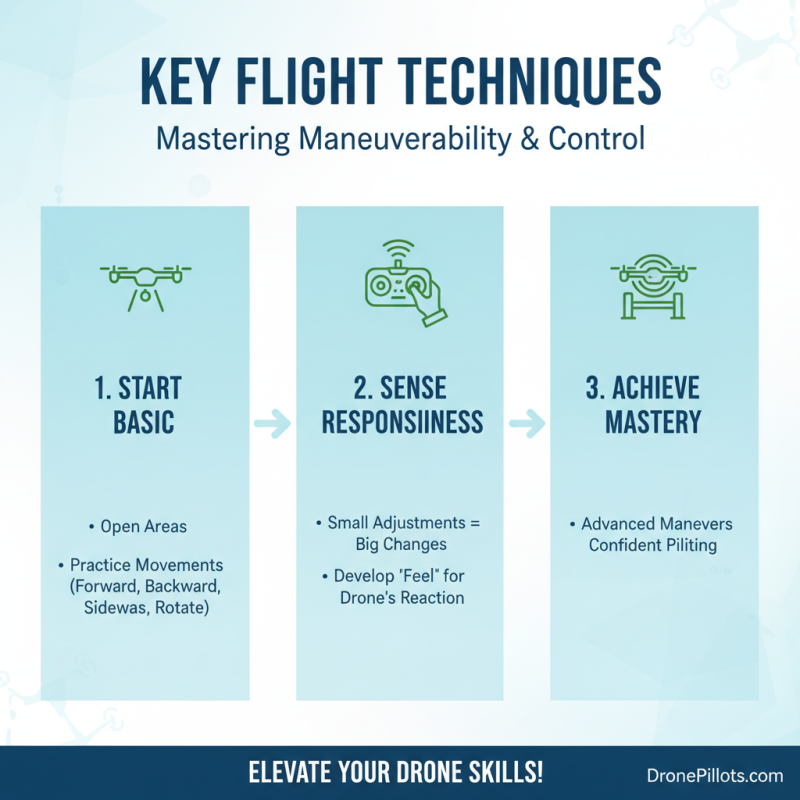
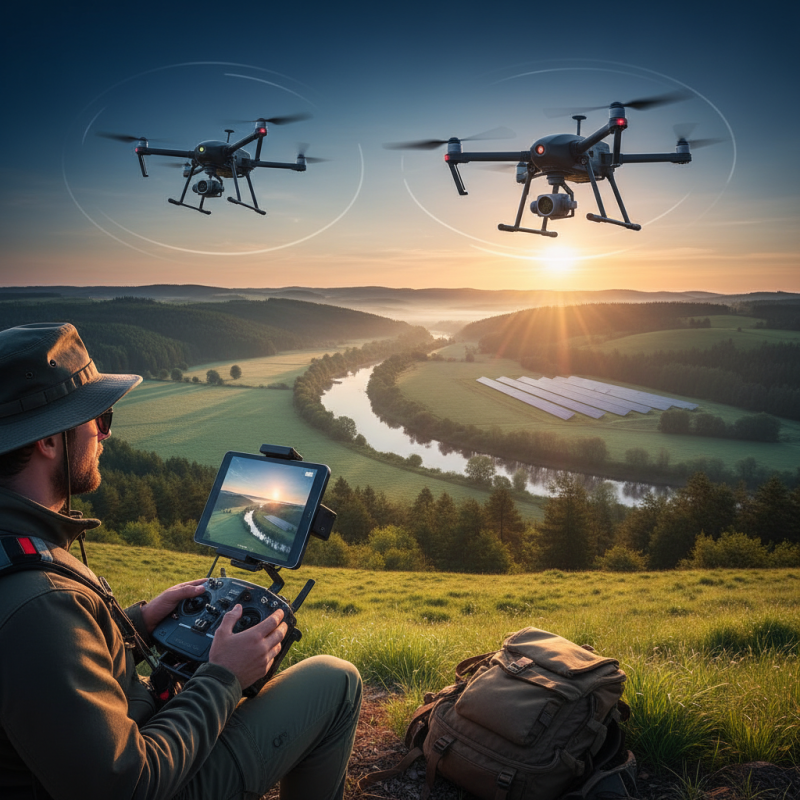
Mastering control and maneuverability is essential for any aspiring drone pilot. Understanding the dynamics of your drone's flight will elevate your skills significantly. Start by practicing basic movements in open areas. Focus on how small adjustments can lead to noticeable changes in the drone's direction. This helps you develop a feel for responsiveness, crucial for advanced maneuvers.
Utilizing flight modes effectively can enhance your training experience. Many drones come equipped with beginner, intermediate, and advanced settings. Experiment with these modes to discover the one that best fits your skill level. In beginner mode, you may feel limited, but it’s essential for building confidence. As you progress, switch to intermediate or advanced modes to challenge your control and precision.
Don’t shy away from making mistakes. Crashes can be an integral part of the learning process, teaching valuable lessons about handling errors. Reflecting on each flight will help you identify weaknesses. Every experienced pilot has faced setbacks; overcoming them is what leads to mastery. Embrace the journey, and remember that every expert was once a beginner.
Advanced Camera Work: Enhancing Aerial Photography Skills
Aerial photography requires skill and creativity.
Drones open up new perspectives, but mastering camera work is essential.
Effective composition plays a vital role in capturing stunning images. Always consider the rule of thirds.
This simple technique can elevate your photos significantly.
Lighting can make or break your shots.
Early morning and late afternoon offer the best natural light.
However, harsh midday sun poses challenges, creating unwanted shadows.
Experimentation is key. Try shooting under different conditions.
Don’t be afraid to make mistakes; they often lead to the best learning experiences.
Stability is crucial in aerial photography. Ensure your drone flies steadily by practicing smooth maneuvers.
Wind can disrupt your shots, so always check forecasts. Sometimes, the perfect shot may require patience.
Take the time to position your drone correctly. Also, focus on your camera settings.
Adjust exposure, ISO, and shutter speed to match your environment.
Learning these skills enhances your capability and confidence as a drone pilot.
Maintaining Your Drone: Best Practices for Longevity and Performance
Maintaining your drone is crucial for its longevity and performance. Regular maintenance can significantly extend the lifespan of your equipment. A report from the Federal Aviation Administration (FAA) suggests that proper care can improve a drone's performance by up to 30%.
Battery care is a key aspect of drone maintenance. Always store batteries at a moderate temperature. Overheating can lead to degradation. Additionally, avoid draining batteries to 0%. Instead, keep the charge between 20% and 80% for optimal health.
Regularly inspect your drone for damage. Check the propellers for any signs of wear or cracks. Even minor damage can affect flight stability. A 2022 survey found that 15% of drone pilots experienced crashes due to overlooked maintenance.
Tip: Clean your drone after every flight. Dust and dirt can interfere with sensors and motors. This simple action can prevent significant issues later on and enhance flight efficacy. Reflect on your maintenance habits. Are they thorough enough? Regular reflection can lead to better care and performance.
10 Essential Tips for Mastering Flying Drones: Best Practices for Longevity and Performance
| Tip No. |
Tip |
Description |
Frequency |
| 1 |
Pre-Flight Checklist |
Always check battery levels, GPS signal, and camera functionality before flights. |
Before each flight |
| 2 |
Regular Firmware Updates |
Keep your drone's software up to date to improve performance and security. |
Monthly |
| 3 |
Battery Care |
Store batteries at the recommended temperature and charge them properly to extend life. |
After each use |
| 4 |
Calibrate the Compass |
Calibration helps maintain accurate positioning and stability during flight. |
Before long flights |
| 5 |
Inspect the Props |
Check for damage and ensure they are securely attached for safe flight. |
Before each flight |
| 6 |
Flight Log Maintenance |
Keep a record of flights for monitoring performance and incidents. |
After each flight |
| 7 |
Follow Local Regulations |
Stay informed about local drone laws to avoid fines and ensure safety. |
Ongoing |
| 8 |
Safe Landing Practices |
Approach landings slowly and monitor the area for obstacles. |
Each flight |
| 9 |
Weather Conditions Awareness |
Avoid flying in adverse weather to protect your drone. |
Every flight |
| 10 |
Community Engagement |
Join local drone clubs and forums for tips and best practices. |
Ongoing |