Why Are Security Drones Essential for Modern Surveillance?
In an age where safety is paramount, security drones have emerged as vital tools for modern surveillance. According to a report by MarketsandMarkets, the global security drone market is expected to reach $8 billion by 2025, reflecting a rise in demand for innovative surveillance solutions. These drones enhance monitoring capabilities, providing real-time data and coverage that traditional methods cannot match.
John Delaney, a security technology expert, emphasizes this trend: "Security drones can bridge the gap between traditional surveillance and modern needs." Drones equipped with advanced imaging technologies deliver high-resolution footage, even in challenging conditions. Their efficiency allows security teams to respond quickly to incidents, reducing risks to both property and people.
However, reliance on security drones is not without its challenges. Issues surrounding privacy, regulatory compliance, and ethical use are prevalent. Balancing efficiency with responsible deployment remains a critical concern. As the industry evolves, ongoing discussions about these aspects will shape the future of security surveillance and the role of drones within it.
The Role of Security Drones in Modern Surveillance Systems
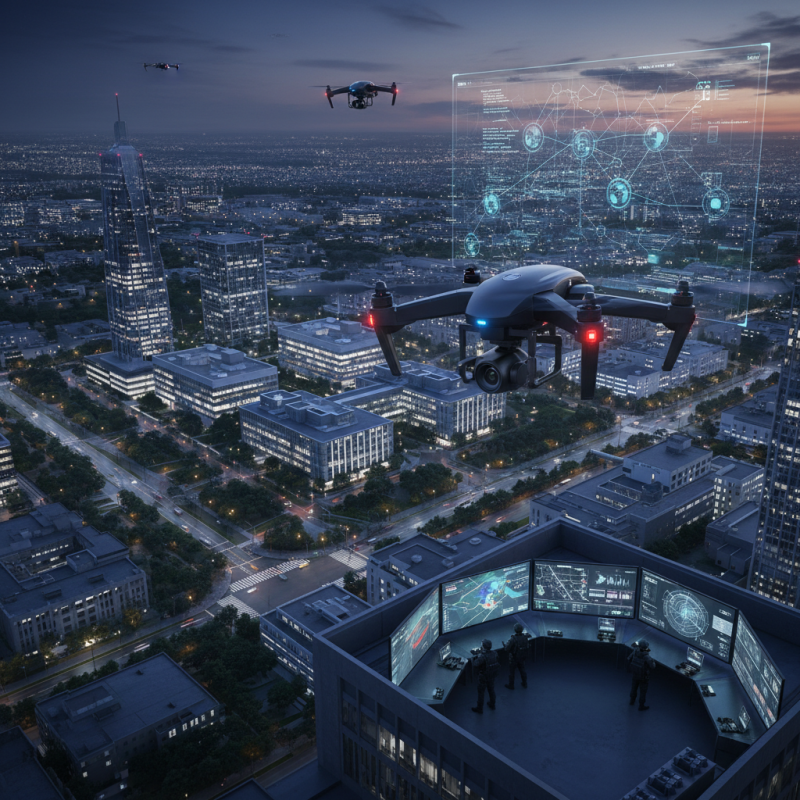
Security drones have become vital in modern surveillance systems. They offer a unique perspective from above, capturing high-resolution images and videos. This aerial view can cover large areas that traditional cameras might miss. Their ability to operate in various weather conditions enhances their effectiveness. Drones can easily monitor crowds, detect unusual activities, and provide real-time feedback to security teams. This immediacy can help in making quick decisions.
Tips for deploying drones include choosing the right location for takeoff and landing. It’s crucial to consider environmental factors, like wind and obstacles. Ensure that the drones are equipped with updated software to function optimally. Regular maintenance checks are important too. If a drone malfunctions during surveillance, the impact can be significant.
Privacy issues arise with increased drone usage. Communities often express concerns about surveillance overreach. It’s essential to balance security needs with residents' rights. Collecting data responsibly is part of ethical surveillance. Transparency in operations can build trust in communities. It’s a continuous challenge that needs attention. The integration of drones into surveillance should consider both benefits and drawbacks.
Usage of Security Drones in Various Industries
This chart illustrates the distribution of security drone usage across various industries, highlighting their importance in modern surveillance systems.
Technological Advances in Drone Surveillance Capabilities
The rise of drone technology has transformed surveillance capabilities. Drones now play a crucial role in monitoring large areas quickly. The market for security drones is expected to exceed $8 billion by 2026, reflecting their increasing importance. High-definition cameras equipped on these drones provide clear visuals. This capability can lead to quicker responses in critical situations.
Technological advances are impressive. Many drones can now operate autonomously, reducing the need for human intervention. According to a recent report, over 50% of security organizations plan to adopt drone technology in the next five years. This trend highlights a shift toward proactive monitoring. However, there are ethical concerns about privacy. The balance between security and individual rights must be carefully navigated.
Despite advancements, challenges persist. Weather conditions can impact drone performance. Additionally, data security remains a major issue. Protecting sensitive information gathered from surveillance drones is vital. As organizations adopt this technology, they must consider these hurdles. The potential benefits are vast, but careful implementation is necessary to address these concerns.
Benefits of Utilizing Drones for Surveillance Operations
Security drones are improving modern surveillance significantly. These aerial devices enhance situational awareness. They cover vast areas quickly, providing real-time data. With high-definition cameras, they capture detailed images. This helps in monitoring large crowds or facilities efficiently.
Using drones in surveillance has several benefits. They reduce reliance on manpower. Fewer personnel are needed for extensive monitoring tasks. Drones can reach difficult locations easily. This provides insights that may otherwise be missed. They also lower costs in the long run. Drones can operate for hours, minimizing the need for frequent replacements.
Tip: Always ensure your drone operations comply with local regulations. Safety should be the priority during surveillance missions. Avoid flying drones over private properties without permission. Ethical considerations in surveillance practices deserve attention. It is essential to strike a balance between security and privacy.
Challenges and Limitations of Drone Surveillance Technology
Security drones are rapidly becoming vital for surveillance. However, they face numerous challenges and limitations. One major issue is battery life. Most drones can only operate for a limited time. This restriction hampers long-term monitoring efforts. Without adequate flight duration, coverage can be spotty.
Privacy concerns also loom large. Many people feel uncomfortable with drones flying over their homes. This anxiety can lead to community pushback. Effective communication and transparency can help address these worries. Clear guidelines on drone usage could alleviate some fears.
Tips:
When using drones, consider the surrounding area. Avoid flying over crowded places. This minimizes risks and calms public concerns.
Data management is another challenge. Storing and analyzing footage requires robust systems. Ensure that data is protected to maintain trust.
Regulatory and Ethical Considerations in Drone Surveillance Use
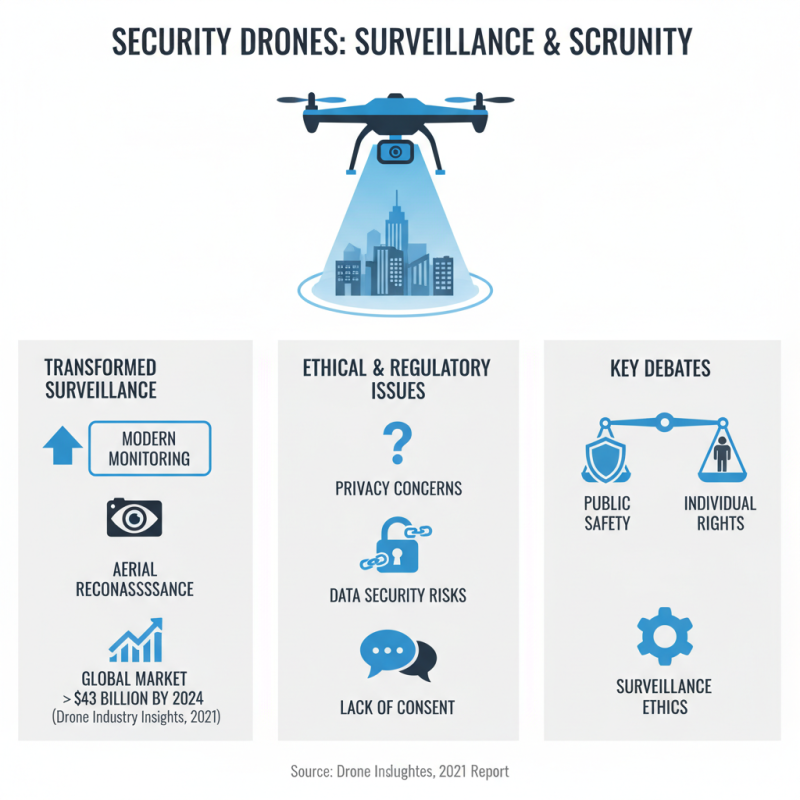
The rise of security drones has transformed modern surveillance, but ethical and regulatory issues loom large. In 2021, a report by Drone Industry Insights estimated the global drone market would surpass $43 billion by 2024. The proliferation of drones raises questions about privacy and data security. Many individuals are concerned about being monitored without consent, leading to debates about surveillance ethics.
Regulatory bodies are grappling with how to manage drone use. Policies need to balance security needs with individual rights. For instance, the European Union's General Data Protection Regulation (GDPR) emphasizes data protection, which is essential for drone operations. A study from the International Civil Aviation Organization highlighted the need for harmonized regulations across regions. Yet implementation varies significantly, which complicates compliance for organizations.
Another concern is the potential misuse of drone technology. Drones can inadvertently capture sensitive information or invade personal spaces. A survey conducted by the Privacy Rights Clearinghouse found that 70% of respondents worry about surveillance drones. This sentiment underscores the need for clear ethical guidelines in the drone industry. Balancing safety and privacy will require ongoing dialogue among stakeholders.