What is a DIY Drone and How Can You Build One?
Building a DIY drone can be an exciting and rewarding project. It allows enthusiasts to explore the world of aerial technology. This hands-on approach not only fosters creativity but also enhances technical skills.
Creating a DIY drone involves understanding the essential components. Knowledge of motors, controllers, and batteries is crucial. Each piece plays a vital role in the drone's functionality. Beginners often face challenges during assembly. Common issues might include wiring errors or software setup troubles. These moments are learning opportunities.
Assembling a DIY drone also requires consistent experimentation. You might not get it right on the first try. Adjustments will be necessary to improve flight performance. Overcoming these hurdles contributes to a deeper understanding of drone technology. Embrace the imperfections in your build process; they lead to invaluable lessons.
What is a DIY Drone and Its Applications
DIY drones have become increasingly popular among hobbyists and professionals alike. They offer a wide range of applications, from aerial photography to agricultural monitoring. According to a report by MarketsandMarkets, the drone market is expected to reach $42.8 billion by 2025, driven largely by these versatile uses. DIY enthusiasts often aim to maximize functionality while minimizing costs, leading to innovative designs tailored for specific tasks.
A DIY drone can be programmed for various applications. Farmers are using drones to monitor crop health, applying precision agriculture techniques. They can gather real-time data, improving yield while reducing waste. A study published in the Journal of Unmanned Vehicle Systems suggests that using drones in agriculture can decrease costs by up to 20% compared to traditional methods. Additionally, filmmakers and photographers utilize DIY drones equipped with high-definition cameras, enabling unique aerial shots that were once only achievable with expensive equipment.
Yet, building a DIY drone is not without its challenges. Technical difficulties can arise, including issues with stability and flight control. Not everyone has the expertise needed to troubleshoot these problems effectively. Moreover, safety concerns pose another significant barrier. Proper knowledge of regulations is crucial to avoid legal complications. Overall, while the potential for a DIY drone is immense, the journey to build one successfully requires patience and a willingness to learn from mistakes.
Essential Components Needed for Building a DIY Drone
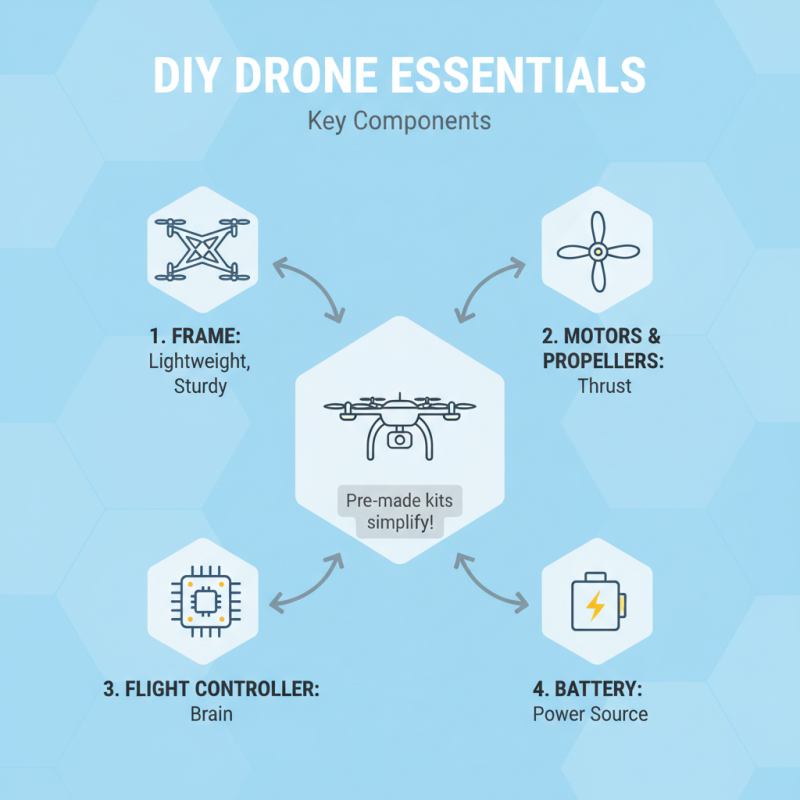
Building a DIY drone requires a few essential components. The frame is the structure that holds everything together. It can be made from materials like carbon fiber or plastic. A good frame will be lightweight, yet sturdy. For a beginner, using a pre-made frame kit can simplify the process.
Next, you need motors and propellers. The motors generate lift and control the drone. It’s crucial to choose the right size and type based on your drone's weight. Propellers, on the other hand, must match the motors for optimal performance. Improperly matched components can lead to poor flight.
An electronic speed controller (ESC) is vital too. It regulates the power going to the motors. Choosing the correct ESC size is essential for efficient functionality. Additionally, a flight controller is necessary. This device stabilizes the drone and allows for easier control. It can be tricky, requiring careful calibration.
Don’t forget about the battery. A good battery provides the necessary power for flight time. LiPo batteries are popular, but they must be handled with care. Over time, you might find battery life fluctuates. Monitoring and maintaining them is crucial for safety. Building a drone can be challenging, but with the right components, you can create an impressive machine.
Step-by-Step Guide to Assembling Your DIY Drone
Building a DIY drone can be rewarding. The process combines creativity with technical skills. Understanding the essential components is crucial. You'll need a frame, motors, propellers, a flight controller, and a battery. Research shows that about 45% of hobbyists start with ready-to-fly kits. However, many prefer building from scratch. This allows for customization and learning.
Start with choosing the right frame material. Common options include plastic, carbon fiber, or aluminum. Each has its pros and cons. For instance, carbon fiber is lightweight but can be costly. Next, select the motors carefully. Brushless motors are recommended for better efficiency. The correct motor size impacts both flight stability and duration. A good battery choice influences drone performance as well. Lithium polymer (LiPo) batteries are popular for their lightweight and high capacity.
Assembly can be challenging. Mistakes are part of the learning curve. Wiring components requires attention to detail. A misconnection can lead to malfunction. According to industry data, nearly 30% of DIY drone builders face significant troubleshooting issues. This is common. Keep a notebook for your findings and reflections as you build. The process is iterative and often demands adjustments. Embrace the complexities; they lead to a deeper understanding of drone technology.
What is a DIY Drone and How Can You Build One? - Step-by-Step Guide to Assembling Your DIY Drone
| Component |
Description |
Recommended Specs |
| Frame |
The structure of the drone, usually made of plastic or carbon fiber. |
450mm quadcopter frame |
| Motors |
Provides lift and propulsion for the drone. |
2204 Brushless Motor |
| ESC (Electronic Speed Controller) |
Controls the speed of the motors based on input from the flight controller. |
30A ESC |
| Flight Controller |
The brain of the drone that stabilizes and controls its flight. |
Pixhawk 2.4.8 |
| Battery |
Provides power to the drone’s motors and electronics. |
4S 5000mAh LiPo battery |
| Propellers |
Generate lift by spinning rapidly in the air. |
10x4.5 inch propellers |
| Camera (Optional) |
For aerial photography and video recording. |
1080p HD camera |
Tips for Programming and Controlling Your DIY Drone
Building a DIY drone can be an exciting project. Programming and controlling your drone effectively will enhance your flying experience. Here are some practical tips that can guide you through the process.
Start by choosing the right flight controller. A commonly used type is the Pixhawk. It offers versatility and numerous features. Familiarize yourself with the software for programming it. Spend time on online forums. Learning from others' experiences can be invaluable.
Calibration is crucial. Ensure all sensors are correctly aligned. A small error can lead to major flight issues. Test fly your drone in an open area. This allows you to identify any programming mistakes without obstacles. Adjust your settings based on your initial flights.
Experiment with different controls. Learning to manually fly can deepen your understanding. Don’t be afraid to make mistakes. They often lead to the best lessons in programming. Be patient, as mastering these skills takes time. Embrace each challenge as an opportunity to improve your drone-building journey.
DIY Drone Components Cost Analysis
Safety Precautions and Legal Considerations for DIY Drones
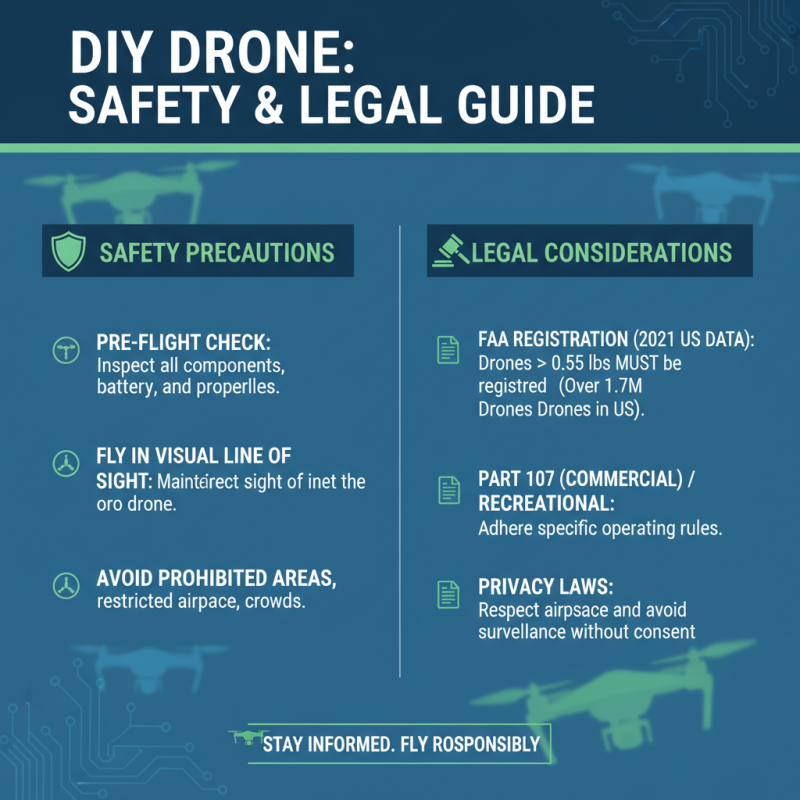
Building a DIY drone can be exciting. However, safety and legal considerations are crucial. In 2021, the Federal Aviation Administration (FAA) reported over 1.7 million registered drones in the U.S. With this growth, adhering to safety regulations is paramount.
Understanding local laws is essential. Each country has its guidelines for drone operation. In the U.S., drone pilots must fly below 400 feet and avoid crowded areas. Failing to comply can result in hefty fines. In 2022, approximately 20% of drone operators faced penalties for failing to register their devices.
Safety precautions cannot be overlooked. Always conduct a pre-flight check and ensure your drone is in good condition. Operators should also wear protective goggles during flight. The risk of accidents rises significantly if precautions are ignored. The National Transportation Safety Board noted that about 15% of drone accidents occurred due to operator oversight. Building a DIY drone involves responsibility.