



How to Choose the Best Electric Forklift Battery?
Understanding Electric Forklift Battery Types and Applications
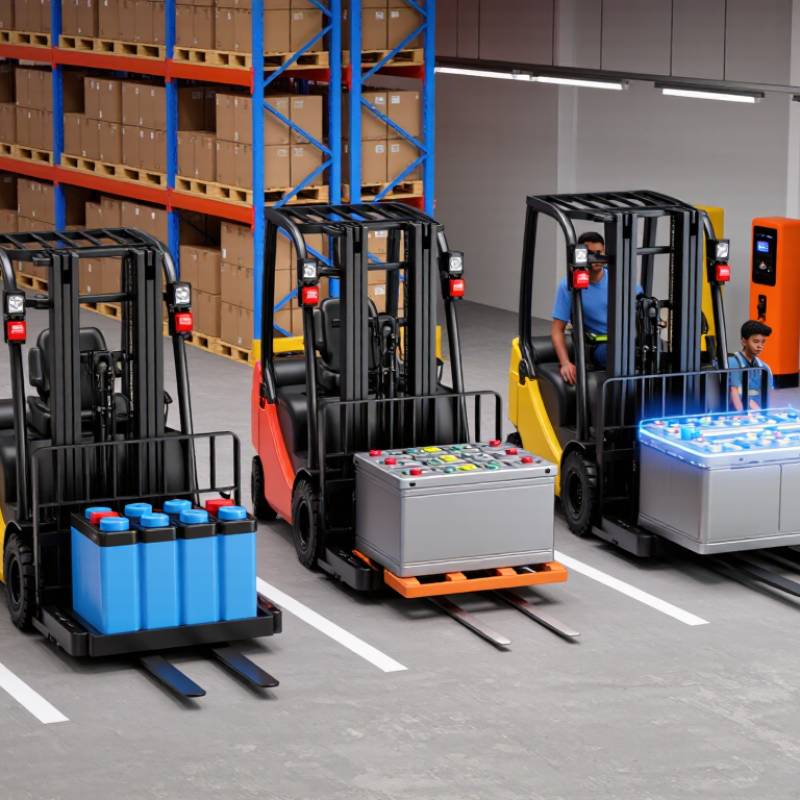
Electric forklift batteries differ in chemistry, charging behavior, maintenance, and working conditions. The right choice depends on the application, not only the purchase price. A warehouse with steady indoor shifts may use flooded lead-acid batteries. They are proven, widely serviceable, and often economical. However, they need watering, ventilation, cleaning, and scheduled charging. Neglect causes capacity loss and unsafe working conditions.
Lithium-ion batteries suit operations needing frequent use and fast opportunity charging. They usually require less routine maintenance and deliver consistent power during a shift. Cold storage, multi-shift distribution, and limited battery rooms can benefit from their space efficiency. Yet, the charger, battery management system, and operating temperature must match the equipment.
Check the charger. Compatibility is not optional.
Absorbent glass mat batteries can reduce watering needs and work well in cleaner indoor environments. They may fit facilities with moderate duty cycles and limited maintenance resources. Before selecting any type, record daily operating hours, load weights, travel distances, charging windows, and ambient temperatures. Battery weight also matters because it contributes to forklift stability. A lighter replacement may create a serious balance problem.
A common field mistake is comparing only voltage and amp-hours. Real performance also depends on charging habits, operator behavior, and battery age. No battery wins every shift. Some teams choose lithium-ion for convenience, then discover their electrical capacity is insufficient. Others select lead-acid batteries for low cost, but underestimate labor and ventilation requirements. Review measured usage, consult qualified technicians, and test the battery under realistic workload conditions.