How to Choose the Best Air Drone for Your Needs?
Choosing the right air drone can be overwhelming due to the vast options available. With many models on the market, understanding your requirements is crucial. Renowned drone expert, Dr. Emily Zhang, states, “The best air drone is the one that fits your specific needs and skills.” This insight reflects the importance of personalization in selecting a drone.
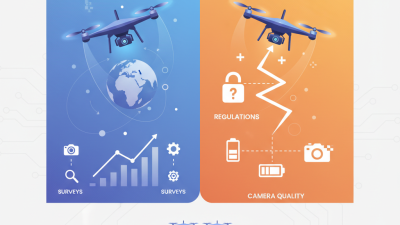
Let’s explore some key factors to consider: purpose, flight time, and camera quality. If you need a drone for photography, a high-resolution camera is essential. For racing, speed and agility matter more. Moreover, battery life significantly impacts your flying experience. Be aware that not all drones offer the same versatility or ease of use.
While it's tempting to aim for the latest model, it’s essential to reflect on your own level of expertise. High-end drones can intimidate beginners or those with limited experience. Prioritizing comfort with your chosen air drone will enhance your overall experience. Finding a balance between features and your skills will lead to more enjoyable flights.
Understanding Different Types of Drones and Their Uses
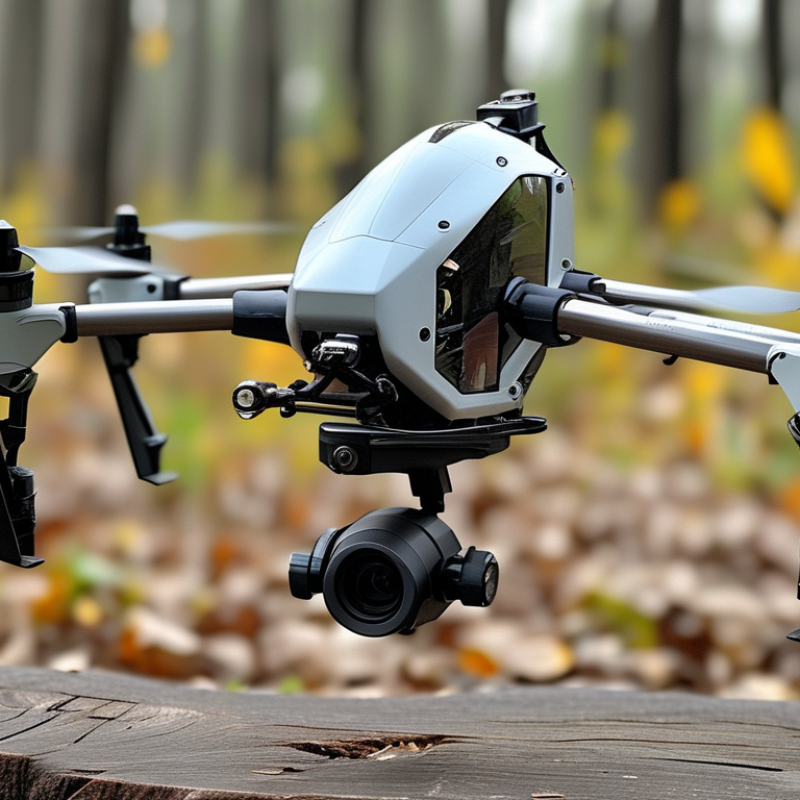
When selecting a drone, it's crucial to understand the various types and their specific uses. Drones come in several categories, primarily classified as consumer, commercial, and racing drones. Consumer drones, typically used for photography and videography, dominate the market, accounting for over 70% of sales, according to a 2021 industry report by Statista. These drones often feature advanced camera systems, making them a favorite among hobbyists and professionals alike.
Commercial drones serve diverse needs, from agriculture to real estate. In agriculture, drones equipped with sensors can assess crop health and optimize planting patterns. A report by Grand View Research indicated that the agricultural drone market is projected to reach $6.4 billion by 2025. Racing drones, though less common, offer a thrilling experience for enthusiasts. They are built for speed, with lightweight frames and high maneuverability.
Choosing the right drone also involves considering flight time, camera quality, and range. Many entry-level models have a flight time of around 20 minutes, which might be limiting for some users. Additionally, there's a learning curve associated with drone piloting, which can be frustrating for beginners. Understanding these intricacies can enhance your drone experience and ensure you select one that fits your specific needs.
Key Specifications to Consider: Camera Quality, Flight Time, and Range
When selecting an air drone, key specifications play a critical role in ensuring it meets your needs. Camera quality is often a primary concern. High-resolution options typically start at 12 MP, while premium models can reach 20 MP or more. Drones equipped with 4K video capabilities are common, providing crisp footage suitable for professional-grade projects. Reviews from industry experts suggest that drones with lower megapixels may not capture essential details, which can be crucial for photography enthusiasts.
Flight time is another essential factor. Most consumer drones offer between 20 to 30 minutes of flight time. However, many users find themselves frustrated with this limitation. Some advanced models reportedly provide longer durations, exceeding 40 minutes under ideal conditions. Real-world tests reveal that factors like wind and payload can significantly reduce these times. This inconsistency can hamper user expectations, making it necessary to plan flights accordingly.
Range is equally important. Many drones advertise ranges upwards of 3 miles, yet obstacles can greatly affect performance. Users often report that real operational ranges are significantly lower, especially in urban environments. Research indicates that any obstruction—like buildings or trees—can reduce effective range by over 30%. These limitations highlight the importance of environment in drone performance. A solid understanding of these specifications ensures a more satisfying buying experience.
How to Choose the Best Air Drone for Your Needs? - Key Specifications to Consider: Camera Quality, Flight Time, and Range
| Model |
Camera Quality |
Flight Time (minutes) |
Range (meters) |
| Drone A |
4K Video, 12 MP |
25 |
2000 |
| Drone B |
1080p Video, 8 MP |
30 |
1500 |
| Drone C |
4K Video, 20 MP |
20 |
3000 |
| Drone D |
2.7K Video, 10 MP |
28 |
1800 |
| Drone E |
4K Video, 20 MP |
22 |
2500 |
Budgeting for Your Drone Purchase: Balancing Cost and Features
When budgeting for a drone, understanding the relationship between cost and features is crucial. Data indicates that the average consumer drone costs between $300 and $1,500. This range accommodates various needs. Entry-level models offer basic functionalities suitable for casual users. However, investing in mid-range options may yield better camera quality and flight time.
Reliability is essential in drone selection. More expensive models often have enhanced features like GPS stability and obstacle avoidance. Research from industry experts suggests that drones with these capabilities can reduce user error by up to 40%. Yet, one must weigh these advantages against their budget. Sometimes, spending extra might lead to unnecessary features that won’t be utilized.
Reflect on your needs carefully. Will you use the drone for photography, racing, or recreational purposes? If you choose a budget-friendly option, you might sacrifice range or battery life. A common mistake is to overlook the long-term costs, such as maintenance and accessories. Find a balance that matches your skills and ambitions, ensuring that your final choice aligns with your aspirations and budget constraints.
Regulatory Requirements: Navigating FAA Regulations for Drone Use
When flying drones, understanding regulatory requirements is crucial. The Federal Aviation Administration (FAA) enforces regulations affecting drone use in the United States. Before purchasing a drone, familiarize yourself with these rules. Drones must weigh less than 55 pounds to fly recreationally without a special license. Pilots also need to register their drones.
Navigating FAA regulations can be complex. The FAA mandates that drones must not fly above 400 feet. Additionally, pilots should avoid flying near airports or other restricted zones. It is essential to check local laws, as some states have their own rules. For example, drones used for commercial purposes require a Remote Pilot Certificate, obtained through a short test.
Understanding these regulations helps prevent fines and enhances safety. However, many users overlook the need for compliance. Staying informed will lead to more enjoyable experiences, while ignorance can lead to issues. The regulations are there for a reason, and following them can make a difference in your flying adventures.
Drone Usage Statistics by Purpose in 2023
Top Brands in the Drone Market: A Comparison of Popular Models
When it comes to selecting the best air drone, understanding the market is crucial. Recent industry reports indicate that the global drone market is projected to reach $42.8 billion by 2025. This growth is driven by advancements in technology and a variety of applications, from recreation to commercial use. You must compare popular models to ensure you make an informed choice.
Several top brands stand out in the drone market. For example, many experts highlight the importance of flight stability, camera quality, and user-friendly controls. Some models excel in capturing 4K video, while others focus on longer flight times. However, the features you prioritize will largely depend on your intended use. A hobbyist might prioritize portability, while a professional may look for advanced photographic capabilities.
Tip: Make sure to read reviews and compare specifications on trusted websites. Pay attention to user feedback about battery life and durability.
It’s also worth noting that many users overlook the importance of software updates. Drones often come with essential enhancements that improve performance. Regular updates can significantly extend the life of your drone and assure optimal functionality. Remember, choosing a drone is not just about the initial purchase; consider the long-term value and support.