How to Choose the Right Drip Line Pressure Regulator?
When choosing a Drip Line Pressure Regulator, understanding its significance is crucial for efficient irrigation systems. According to a report by Irrigation Association, proper regulation can improve water conservation by up to 30%. This efficiency directly impacts crop yield and operational costs, making the right selection essential.
The functionality of a drip line is heavily dependent on adequate pressure control. Poor pressure management leads to uneven water distribution, adversely affecting plant growth. Current industry studies show that up to 40% of irrigation systems suffer from improper pressure regulation. This underscores the need for careful evaluation when selecting your regulator.
Selecting a Drip Line Pressure Regulator involves considering various factors, including flow rate, design specifics, and pressure ranges. Many users overlook these elements, resulting in suboptimal performance. A well-informed choice can make a significant difference in achieving the desired irrigation efficiency and sustainability.
Understanding Drip Irrigation Systems and Their Components
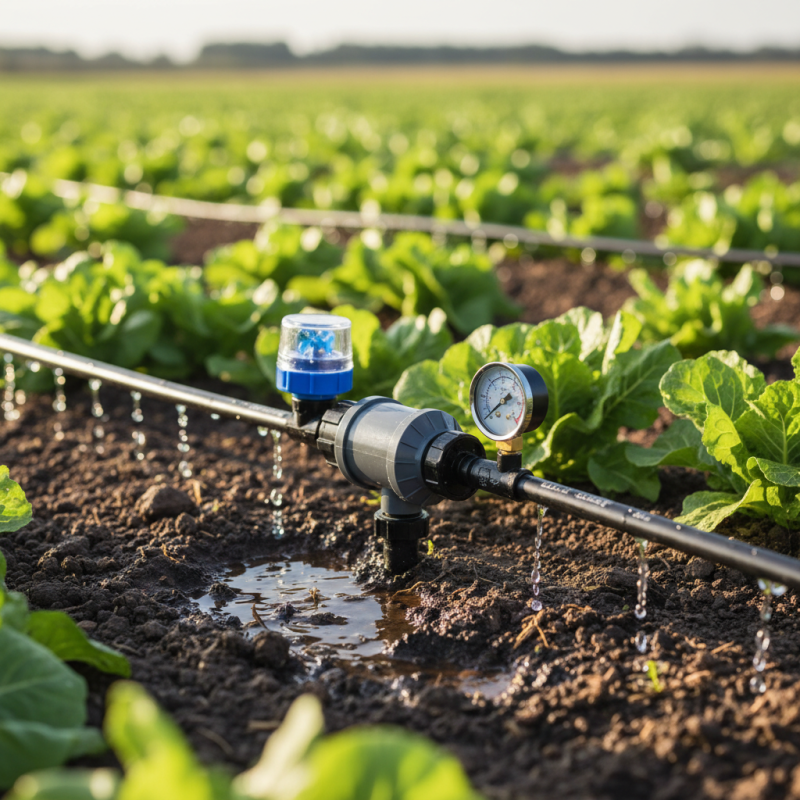
Drip irrigation systems are essential for efficient water use in agriculture and landscaping. These systems distribute water directly to the plant roots, minimizing waste. Key components include drip lines, emitters, and pressure regulators. Understanding how these elements work together can significantly improve irrigation efficiency.
Research shows that proper pressure regulation is critical. A pressure regulator maintains the desired output pressure, ensuring even water distribution. According to the American Society of Agricultural and Biological Engineers, optimal pressure for drip irrigation often ranges between 10 to 25 psi. However, many growers overlook this detail, leading to uneven watering and plant stress.
Having the right drip line and regulator setup is also vital. For example, emitters should be spaced appropriately based on plant needs. A standard recommendation is to place emitters 12 to 24 inches apart. But not all irrigation systems deliver evenly. Issues like clogged emitters or fluctuating pressure can compromise performance. Regular maintenance and monitoring help identify these problems early, ensuring reliable water delivery.
The Importance of Pressure Regulation in Drip Irrigation
Pressure regulation is crucial in drip irrigation systems. It ensures that water is delivered consistently and efficiently to plants. Without proper regulation, water flow can become erratic. High pressure can lead to oversaturation, while low pressure may cause dry spots. Therefore, understanding pressure requirements is essential.
Selecting the right drip line pressure regulator involves recognizing the unique needs of your system. Each plant or crop may have different water requirements. An incorrect regulator can harm your plants. For instance, vegetables often need consistent moisture, while succulents prefer drier conditions. Adjusting the pressure can make a significant difference in growth and yield.
Monitoring your system regularly allows you to identify any issues with water delivery. Observations can reveal problems like clogged emitters or uneven water distribution. If adjustments are needed, they should be made promptly. Recognizing that no system is perfect can lead to better outcomes. Learning from missteps is part of the process.
Drip Line Pressure Regulator Efficiency Comparison
Factors to Consider When Selecting a Pressure Regulator
Choosing the right pressure regulator for your drip line system involves careful consideration of several key factors. First, understand the water source's pressure. Many agricultural reports indicate that water pressure can vary significantly, sometimes reaching up to 100 PSI. If your system cannot handle such pressure, damage may occur. Ensure you know your pressure range before selecting a regulator.
Next, consider the flow rate requirements of your system. Different plants have varying water needs. Research shows that drip systems typically require between 0.5 and 2.0 gallons per hour per emitter. A pressure regulator that accommodates these flow rates will enhance efficiency and reduce waste. It's crucial to match your regulator to your emitters.
Also, take into account the environmental conditions where the system operates. For instance, high temperatures may affect pressure consistency. Reports indicate that significant fluctuation can lead to uneven watering. Such issues could affect crop yields and raise costs. Understanding these details helps in making an informed choice. Reflection on these factors is essential to ensure a reliable and efficient irrigation setup.
Types of Drip Line Pressure Regulators Available
When selecting a drip line pressure regulator, understanding the types available is crucial. Commonly, there are diaphragm pressure regulators and spring-loaded regulators. Each type serves a specific purpose and has distinct features. Diaphragm regulators are often favored for their reliability. They adjust the pressure automatically based on water flow. On the other hand, spring-loaded regulators can offer a simplified design. They need manual adjustments, making them less versatile.
It's essential to consider the pressure range each type offers. Diaphragm regulators typically manage low to moderate pressure levels, while spring-loaded regulators can support higher pressures. Think about your garden's needs. If you have delicate plants, a diaphragm regulator may provide more consistent pressure. However, if you need wider coverage, a spring-loaded option might suit your system better.
Installation can also be a factor in your decision. Diaphragm regulators often require more complex setups. They might need careful calibration to function correctly. Spring-loaded types, while easier to install, can lead to over or under-watering if adjusted poorly. Reflect on your skills and comfort level. Choosing the right pressure regulator is about balancing efficiency, reliability, and ease of use.
Installation and Maintenance Tips for Pressure Regulators
When it comes to pressure regulators, installation is crucial for optimal performance. Ensure the regulator is placed vertically. Avoid excessive bends in pipes. This will help maintain even water flow. Use Teflon tape on all threaded connections to prevent leaks. A tight seal prevents water loss and pressure fluctuations.
Routine maintenance is essential for longevity. Inspect the regulator every few months. Look for signs of wear or corrosion. Clean any debris that might block the flow. A simple check can prevent bigger issues later. Adjustments might be needed over time as water pressure can fluctuate. Keeping a log of adjustments can help track performance changes.
Don’t forget about seasonal considerations. In colder months, regulators can freeze. Insulating pipes can help prevent damage. Review manufacturer guidelines for specific maintenance tips. Understanding these details helps you ensure the regulator functions effectively. Reflect on past issues you faced to improve this process.
How to Choose the Right Drip Line Pressure Regulator? - Installation and Maintenance Tips for Pressure Regulators
| Model | Pressure Range (psi) | Flow Rate (GPH) | Connection Size (inches) | Maintenance Tips |
| Model A | 10-30 | 5 | 1/2 | Check for clogs regularly |
| Model B | 15-40 | 10 | 3/4 | Inspect seals for wear |
| Model C | 20-50 | 15 | 1 | Clean filter every season |
| Model D | 5-25 | 8 | 1/2 | Ensure proper installation angle |