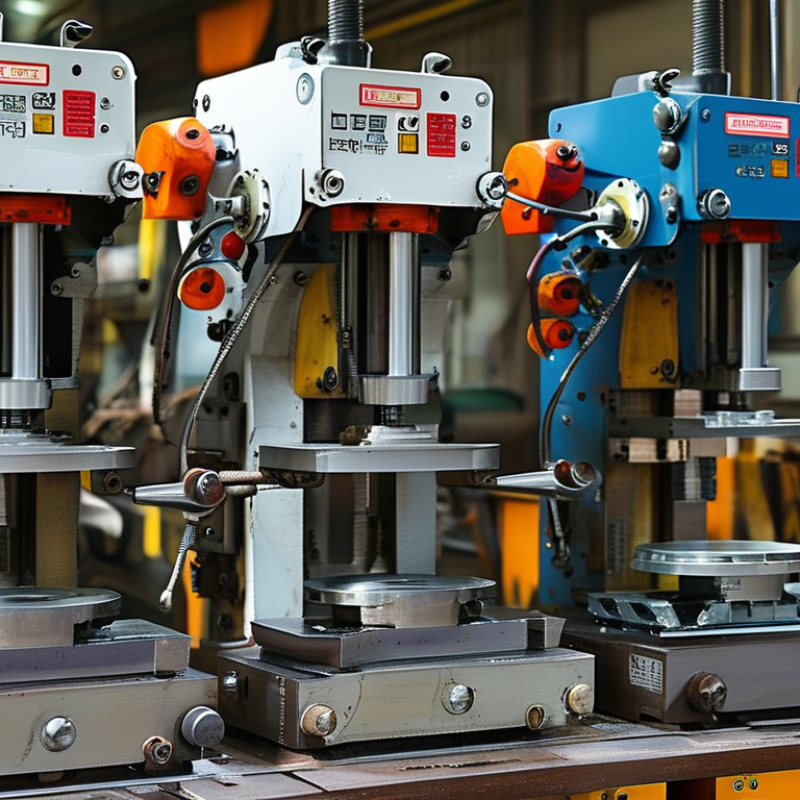
How to Choose the Best Power Press Machine for Your Needs?
Choosing the right Power Press Machine for your needs can be challenging. There are many options and specifications to consider. Each machine comes with different features and capabilities, making the selection process overwhelming.
When evaluating a Power Press Machine, think about the primary task you need it for. Will you be using it for metal stamping, forming, or assembly? Your selection should align with your operational requirements. Machine size, pressure capacity, and ease of use are crucial factors.
It's important to acknowledge that no one machine fits all. Some users may find themselves over or under-equipped. Reflect on your needs carefully before making a choice. Poor decisions can lead to inefficiencies. A well-informed choice can enhance your production capabilities significantly.
Understanding Your Manufacturing Requirements for a Power Press Machine
When selecting a power press machine, understanding your manufacturing needs is pivotal. Consider the types of materials you will be working with and the required production volume. Industry reports indicate that up to 40% of businesses fail to match their machinery with actual production demands, leading to inefficiencies. A power press should align with your output goals and the specific tasks, whether it's stamping, bending, or forming materials.
Another important aspect is the force required. Different applications demand varying tonnages. Data from the National Association of Manufacturers suggests that improperly sized machinery can waste up to 20% of production time. An accurate assessment of your needs will help you avoid costly mistakes while ensuring you invest in a machine that can handle the workload efficiently. Always evaluate your operational capacity and workforce skills to ensure proper machine utilization. The wrong choice might not only hinder production but also escalate operational costs.
Evaluating the Types of Power Press Machines Available in the Market
When evaluating the types of power press machines available in the market, it is crucial to consider several aspects. Power press machines mainly fall into categories such as mechanical, hydraulic, and pneumatic types. Each category has distinct features and applications. Mechanical presses are often preferred for high-speed operations. They can achieve production rates up to 800 strikes per minute, according to research by industry experts.
Conversely, hydraulic presses are ideal for applications requiring higher force at lower speeds, often used in metal forming. They can exert a pressure of up to 1000 tons, providing versatility in operations. Pneumatic presses, while less common, are suitable for lightweight materials and smaller operations. They offer easier automation features, which can boost productivity.
Choosing the right machine is not just about specifications. It involves understanding your production needs and workflow integration. A study by the Manufacturing Institute suggests that 35% of manufacturers struggle with machinery that does not meet their operational demands. This can lead to inefficiencies and increased costs. Reflecting on machine suitability for your unique requirements is critical before making a decision.
Power Press Machine Types and Usage
Key Specifications to Consider When Selecting a Power Press Machine
Choosing the right power press machine requires careful consideration of key specifications. These specifications directly influence the machine's performance and suitability for specific tasks.
One essential factor is the tonnage capacity. This determines how much force the machine can exert. A report from the Manufacturing Institute indicates that industries often require machines ranging from 10 to 200 tons. However, some operations may need more power. Understanding your project requirements helps in selecting the correct tonnage.
Another significant specification is the throat depth. This is the distance from the center of the frame to the closest edge of the bed. According to industry averages, a throat depth between 6 to 12 inches is common. Depending on the type of work done, this can impact material handling and production efficiency. Additionally, stroke length and adjustment mechanisms are important. Short strokes may work for faster production, but longer strokes could handle thicker materials. Reflecting on actual usage experiences can guide a better decision.
Ensure to weigh all factors and analyze how they mesh with your specific needs for optimal performance.
Assessing the Budget and Cost-Effectiveness of Power Press Machines
When choosing a power press machine, budget considerations are crucial. Start by determining how much you can invest. Power press machines range significantly in price. High-end models often come with advanced features but may exceed your budget. Consider the cost of maintenance too. Cheaper machines may require more frequent repairs, leading to higher long-term costs.
Evaluating cost-effectiveness also involves understanding your specific needs. Analyze the materials you will work with. A machine that handles thicker materials may cost more upfront. However, it could save you time and money in the long run. Look for machines that offer a balance of features and price.
Remember, purchasing the cheapest option might be tempting but could lead to regrets. Research and seek expert advice if needed. Overlooking critical specifications may result in poor performance. Sometimes, spending slightly more can significantly enhance your work efficiency. Aim for a machine that offers reliability without breaking the bank.
Researching Manufacturer Reputation and Customer Support Services
When selecting a power press machine, assessing manufacturer reputation is crucial. Research reveals that over 70% of buyers consider brand reliability before making a purchase. A solid reputation can indicate quality and longevity, which are vital for your operations. Look for companies with industry certifications and positive reviews. Many buyers cite feedback from previous users as a significant factor in their decision-making process.
Customer support services also play an important role. Effective customer service ensures you get help when needed, especially during installation and maintenance. According to industry reports, nearly 60% of users rate their satisfaction based on the quality of support received. It’s essential to verify if the manufacturer provides timely responses, detailed guidance, and easy access to parts.
Reflecting on the experiences of other users can highlight areas of improvement. Some buyers report delays in customer support leading to downtimes. Small setbacks like these can affect production schedules. A brand’s engagement with its customers often speaks volumes about its commitment to service. Always prioritize manufacturers who take customer feedback seriously and work towards enhancing their support systems.