How to Choose the Best Professional Drone for Your Needs?
Choosing the right professional drone can be overwhelming. With so many options available, understanding what suits your needs is crucial. According to David Johnson, a seasoned drone expert with over a decade in the industry, "Selecting a professional drone isn't just about the latest technology; it's about functionality and your specific application."
To make an informed choice, consider the primary use of the drone. Are you capturing stunning aerial photography, conducting surveying, or inspecting infrastructure? Each application has distinct requirements. Battery life, camera quality, and flight range are significant factors to weigh. Additionally, accessibility and technical support should not be overlooked. Some models are user-friendly, while others have a steeper learning curve.
Even experts face challenges when selecting a drone. You may find yourself enamored with a model but later realize it lacks essential features. Reflecting on your choices is important in this evolving market. Evaluate your priorities carefully. This reflection can help clarify your expectations, ensuring your investment in a professional drone effectively meets your needs.
Understanding Your Purpose: Identifying the Right Drone Application
When choosing a professional drone, understanding your purpose is essential. Each application requires specific features. For instance, aerial photography demands cameras with high resolution. In contrast, agricultural monitoring needs drones capable of carrying heavy sensors. Knowing the intended use makes filtering options easier.
Consider other functions as well. Drones for surveying need GPS accuracy and stability in flight. Search and rescue operations benefit from robust designs and thermal imaging capabilities. Reflect on the environments you’ll operate in, too. Will you fly in urban areas or remote farms? Such factors greatly influence your choice.
It's vital to weigh your budget against desired features. Expensive models may not always offer the best value. Sometimes, mid-range options meet both performance and financial needs. Assessing your priorities can lead to better decisions. Ensure the drone you choose aligns with your specific objectives. The right choice can significantly enhance your work efficiency and outcomes.
Key Specifications to Consider When Choosing a Professional Drone
Choosing the right professional drone involves several key specifications. One crucial aspect is the camera quality. Look for drones with at least 20 megapixels for detailed imagery. According to a recent industry report from the Drone Industry Insights, drones with high-resolution cameras are preferred by 68% of professional users. This should guide your choice to ensure sharp and vibrant images.
Another important specification is flight time. Many drones offer between 20 to 30 minutes of flight, but certain models can last longer. A short flight time may disrupt workflows, especially in demanding tasks. An average flight time of 25 minutes is ideal for most professionals. This factor can save time and enhance productivity.
Battery life can be tricky. It's essential to choose a drone with easy battery replacement options. You don't want to waste time waiting for a charge. Consider the environment you’ll be flying in. Wind resistance is crucial for maintaining stability. Drones with a robust design tend to handle gusty conditions better.
Tip: Always check weight limits for your drone, especially when carrying additional equipment. Keep in mind that lighter drones are often less stable in windy conditions. Finding balance among features is vital. Evaluate what you genuinely need versus what's available on the market. This approach will lead you to a more suitable choice.
How to Choose the Best Professional Drone for Your Needs?
| Specification |
Description |
Importance |
| Camera Quality |
Resolution, lens type, and gimbal stabilization. |
High importance for capturing professional-grade imagery. |
| Battery Life |
Duration of flight time per charge. |
High importance for extended aerial work sessions. |
| Range |
Maximum distance the drone can fly from the controller. |
Medium importance for large area coverage. |
| Flight Modes |
Different modes like GPS, manual, waypoint navigation. |
High importance for versatility in flight operations. |
| Payload Capacity |
Weight the drone can carry for additional equipment. |
Medium importance for specialized tasks. |
| Portability |
Size and weight for easy transport. |
Medium importance for fieldwork. |
| Safety Features |
Obstacle avoidance, emergency landing, etc. |
High importance to prevent accidents. |
| Software Compatibility |
Support for editing and flight path planning software. |
Medium importance for workflow efficiency. |
Understanding Camera Quality and Flight Performance Requirements
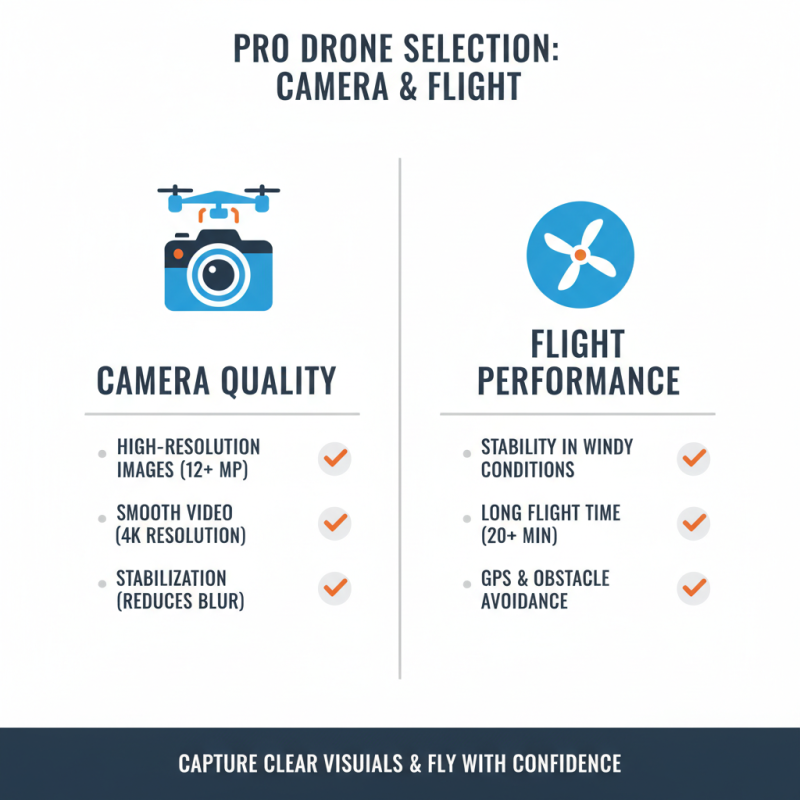
When selecting a professional drone, camera quality and flight performance are key elements. A good camera captures high-resolution images and smooth video. A resolution of at least 12 megapixels is ideal for clear photos. Video quality matters too. Look for drones that offer 4K resolution for crystal-clear visuals. The camera's stabilization features help reduce blurriness, especially in windy conditions.
Flight performance is another critical factor. Battery life impacts how long you can fly and capture images. Look for drones that can fly for at least 20-30 minutes on a single charge. An intuitive control system is vital as well. If the drone is hard to control, it limits your creative options. Be aware that every drone has limitations in flight range.
Understanding your needs helps in this decision. For instance, if you prioritize aerial photography, the camera's capabilities will take precedence. However, if you need to inspect a site, stable flight performance may be more critical. Reflect on your specific purposes. Not every drone will excel in both areas, and finding the right balance is essential for optimal results.
Budgeting for Your Drone: Costs and Additional Expenses
When budgeting for a professional drone, understanding the full scope of costs is essential. The initial purchase price of a drone can range from a few hundred to several thousand dollars. According to industry reports, high-quality drones typically cost between $1,000 and $3,000. However, this is just the beginning.
Additional expenses can quickly add up. You may need to invest in extra batteries, which can cost $50 to $200 each. A quality camera can add another $500 to $2,000. Don’t forget about software, insurance, and maintenance. These expenses often get overlooked. A survey indicates that many drone operators spend an average of 20% of their initial investment annually on maintenance and upgrades.
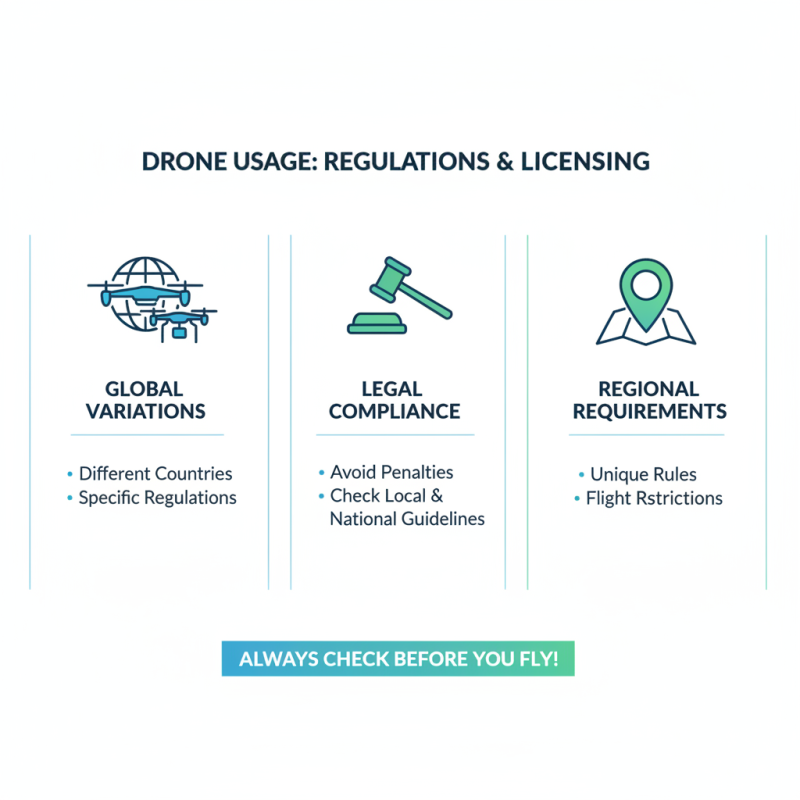
Moreover, licensing and training costs should not be ignored. Depending on your region, obtaining necessary certification can run from $100 to $1,500. Training programs vary widely in price. Investing in these areas enhances safety and compliance. Neglecting this can lead to potential fines or accidents. The full financial picture requires careful thought and reflection on what you truly need from your drone.
Budgeting for Your Drone: Costs and Additional Expenses