What is Brass Die Casting Benefits and Applications?
Brass Die Casting is a manufacturing process that involves pouring molten brass into a mold. This method has gained popularity due to its numerous benefits. Brass die casting produces strong, durable parts. The process allows for high precision and complex geometries, making it suitable for various applications.
One notable advantage of brass die casting is its excellent surface finish. Parts produced through this method often require little to no machining. Additionally, brass’s corrosion resistance enhances the longevity of the components. Industries such as automotive, aerospace, and electronics rely on brass die casting for high-quality parts.
Despite its advantages, brass die casting has some challenges. The initial cost of the molds can be high, and the process requires skilled operators. Designs must be carefully planned to avoid defects during casting. Understanding these factors is essential for making informed decisions about using brass die casting in manufacturing.
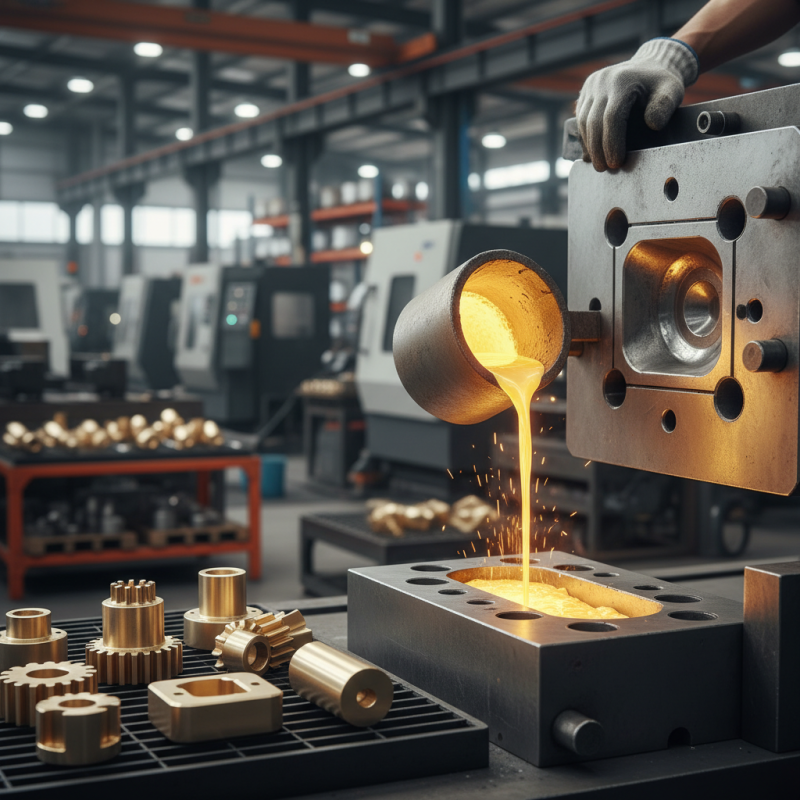
Brass Die Casting: An Overview of the Process and Materials Used
Brass die casting involves a specific process that utilizes molten brass to create precise metal parts. The process starts with heating brass until it becomes molten. This molten metal is then injected into molds under high pressure. The materials used in this process, typically a blend of copper and zinc, allow for excellent machinability and durability. Brass components produced through die casting are often used in various industries, providing durability and a polished finish.
The applications of brass die casting are extensive. Common uses include electrical connectors, plumbing fittings, and decorative hardware. These components often require intricate designs, which brass die casting can achieve efficiently. However, controlling the cooling rate can be challenging. An improper cooling process may lead to defects like warping or uneven surfaces. Therefore, careful monitoring is crucial during production to avoid any flaws, ensuring each part meets high standards. Quality control is essential in maintaining the integrity of brass components, reinforcing the need for expertise in this manufacturing process.
Key Benefits of Brass Die Casting in Manufacturing Industries
Brass die casting offers numerous benefits in manufacturing. Its durability and resistance to corrosion make it a favored choice for various applications. This metal is durable and can withstand harsh environments, enhancing its utility in critical industries.
Brass die casting also delivers high precision in manufacturing. Parts made from brass can be produced with tight tolerances. This feature reduces the need for extensive post-processing. However, achieving perfection in casting can be challenging. Small imperfections, like air bubbles, can occur and may affect the final product's quality.
Moreover, brass is an excellent conductor of electricity. Its use in electrical components enhances efficiency. The aesthetic appeal of brass is another important aspect. It is often chosen for decorative items and fittings. Despite these benefits, manufacturers must pay attention to the casting process. Continuous improvements are necessary to ensure quality standards and efficiency.
What is Brass Die Casting Benefits and Applications? - Key Benefits of Brass Die Casting in Manufacturing Industries
| Benefit | Description | Applications |
| High Precision | Brass die casting offers high dimensional accuracy and the ability to create complex shapes. | Automotive components, electrical housings |
| Durability | Brass is resistant to corrosion and wear, ensuring long-lasting products. | Plumbing fittings, marine hardware |
| Cost-Effectiveness | Mass production capabilities lower the cost per unit, making it economical for large runs. | Consumer electronics, appliances |
| Aesthetic Appeal | Brass has a natural luster and can be polished to enhance appearance. | Decorative items, award trophies |
| Low Metal Wastage | Die casting minimizes scraps compared to other manufacturing processes. | Industrial parts, custom components |
Applications of Brass Die Casting: From Automotive to Electronics
Brass die casting has a wide array of applications across various industries, making it a vital manufacturing process. One prominent sector is automotive. Brass components are used in engines, fuel systems, and decorative trims. These parts require precision and durability. Brass’s excellent resistance to corrosion ensures longevity, which is crucial in automotive settings.
In the electronics industry, brass die casting is also significant. Connectors and housings made from brass deliver both conductivity and strength. This is essential for reliable electrical performance. Brass casting allows for intricate designs, which can accommodate various electronic components. The material’s thermal conductivity also aids in heat dissipation, enhancing device performance.
There are challenges to consider. The cost of high-quality brass can be a barrier for some companies. Additionally, achieving perfect surface finishes in die casting remains a complex task. Manufacturers must weigh these factors when choosing brass die casting. Reflecting on the limitations helps in making informed decisions for future projects.
Industry Statistics: Market Growth and Adoption Rates for Brass Die Casting
The brass die casting market has been experiencing significant growth in recent years. Industry statistics indicate a rising demand for brass components across various sectors. This demand is largely driven by the automotive and electronics industries. These sectors value brass for its durability and electrical conductivity.
Adoption rates for brass die casting have also surged. Many manufacturers are transitioning to this method due to its efficiency. Automakers are particularly invested in lightweight components that brass die casting provides. Yet, there remain challenges. The initial costs of setting up brass die casting facilities can be high. Manufacturers often face pressure to balance cost and quality.
Moreover, while the technology is sophisticated, it does not guarantee flawless parts. Some batches may show inconsistencies. These issues necessitate further quality control measures. Overall, the market reflects a mix of promise and uncertainty. The future of brass die casting hinges on overcoming these challenges while meeting growing demands.
Challenges and Solutions in Brass Die Casting Production Processes
Brass die casting faces several challenges in production processes. One significant issue is the high melting point of brass, which can reach up to 900°C. This requires advanced furnace technologies that can maintain such high temperatures reliably. Inconsistent temperature control can lead to defects in the casting, impacting the overall quality. Moreover, maintaining proper alloy composition during melting is crucial, as small deviations can affect the ductility and corrosion resistance of the final product.
Another challenge is the tooling wear associated with brass die casting. Brass is abrasive, which can lead to increased wear on molds. Studies indicate that tooling costs can account for up to 25% of total production expenses. To counteract this, manufacturers might explore coatings or advanced materials for dies, though these can add to the initial investment. It's essential to regularly assess tooling conditions to optimize the lifespan and improve cost-effectiveness.
Additionally, managing the cooling rate post-casting is complex. Rapid cooling can lead to internal stresses and cracking, causing production delays. Implementing technologies like thermal analysis can improve cooling rate predictions. However, the investment might not always yield immediate returns. Ongoing evaluations and adjustments to production techniques are necessary to minimize failures and enhance quality.