What Is the Best Nylon Printing Machine in China?
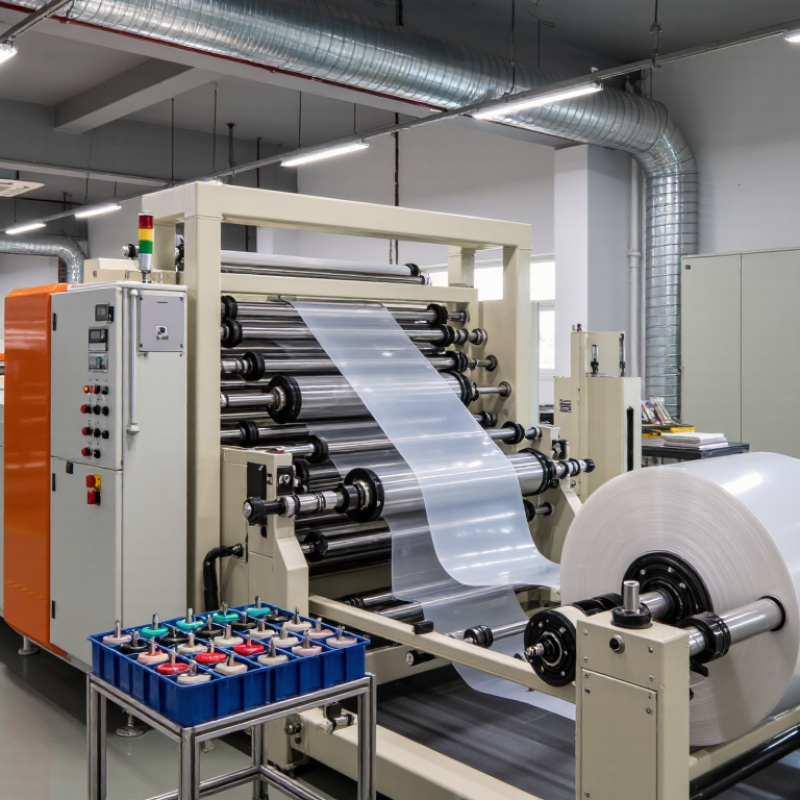
Choosing the best Nylon Printing Machine in China requires more than comparing price lists. Nylon films can stretch, curl, and absorb moisture during production. These behaviors affect ink adhesion, color accuracy, drying, and registration. A suitable machine must control tension precisely. It should also provide stable corona treatment and dependable drying performance.
This guide examines machines through practical production needs. I will consider printing width, operating speed, substrate thickness, ink compatibility, and waste control. Gravure and flexographic systems may suit different factories. Water-based inks can reduce solvent concerns, but they often demand stronger drying systems. Solvent-based production may offer familiar results, yet ventilation and recovery equipment require careful evaluation. Small details matter. A loose tension sensor can create visible bands across a finished roll.
Supplier reliability is equally important. Experienced Chinese manufacturers should provide test printing, machine drawings, electrical specifications, and after-sales support. Buyers should request references from factories printing similar nylon materials. Site visits can reveal assembly quality, wiring standards, spare-parts organization, and operator training. Certifications help, but they do not replace production evidence.
There is no perfect machine for every application. My assessment may overlook regional service differences or future software updates. That limitation deserves attention. The best choice depends on your film structure, order volume, budget, and quality targets. A lower purchase price can become expensive after repeated setup losses. Careful trials, measurable samples, and transparent supplier communication create a more reliable decision. This article aims to support that process with practical, balanced, and verifiable guidance.
What Is a Nylon Printing Machine and How Does It Work?
What Is the Best Nylon Printing Machine in China?
A nylon printing machine applies controlled color to polyamide fabric, film, or finished garments. It may use digital inkjet technology, screen printing, or rotary printing. Digital systems are increasingly useful for detailed patterns and shorter production runs.
The process starts with fabric inspection and pretreatment. Oils, dust, and uneven moisture can weaken the final result. During printing, software converts the artwork into precise firing instructions. Printheads then release tiny drops of suitable acid-based ink onto the nylon surface. The fabric moves steadily beneath the print carriage. Small details matter.
Heat helps dry and fix the printed color. Many nylon fabrics also require steaming, washing, or both. These steps remove unfixed dye and improve rubbing resistance. In practical factory testing, operators check color density, edge sharpness, stretch recovery, and fabric hand feel. A bright sample is not enough.
Choosing the best machine in China depends on production volume, fabric width, resolution, ink compatibility, and after-sales support. A reliable system should offer stable printhead alignment, accurate tension control, and repeatable color management. Requesting test samples with your own nylon fabric is essential. Samples reveal problems that brochures hide.
No machine is perfect. High speed may reduce detail, while gentle settings can increase production time. Humidity, pretreatment quality, and operator skill also affect results. A careful buyer should compare long-term maintenance, drying performance, wastewater requirements, and training support instead of judging only the purchase price.
Which Nylon Printing Technologies Are Available in China?
What Is the Best Nylon Printing Machine in China?
Which Nylon Printing Technologies Are Available in China?
China offers several nylon printing technologies, and each fits a different production problem. Selective laser sintering, or SLS, remains widely used for functional prototypes, ducts, housings, and small-batch parts. It uses a heated powder bed and laser to fuse nylon layer by layer. Supports are usually unnecessary, so complex internal channels become easier to produce.
Multi-jet powder printing is also available for faster batch production. It deposits binding or fusing agents across each layer, then uses controlled heat to strengthen the part. This method can produce consistent surfaces and efficient nesting. However, operators must monitor powder condition, thermal balance, and cooling time. Small mistakes can cause warping or uneven color.
Fused filament fabrication provides a lower-cost route for nylon components. It suits workshops, jigs, brackets, and large parts, but moisture control is critical. Nylon filament can absorb water quickly. Dry it before printing. A heated chamber improves layer bonding and reduces edge lifting. In practical evaluations, I would compare dimensional accuracy, tensile strength, chamber temperature, software control, and after-sales training. Machine speed alone can mislead. A fast printer with unstable cooling may create more waste. No process is perfect. Even experienced teams sometimes select the wrong technology after testing only one sample. Test several geometries, measure them after cooling, and review the complete production workflow before choosing a nylon printing machine in China.
What Is the Best Nylon Printing Machine in China?
Which Nylon Printing Technologies Are Available in China?
The chart compares representative layer-thickness ranges for nylon-capable 3D printing technologies commonly available in China. FFF is suitable for low-cost prototypes and functional parts, while SLS and MJF generally provide finer layers and better production consistency. The best choice depends on part quantity, surface requirements, strength, dimensional accuracy, and budget. Values are typical process-level ranges and may vary with machine configuration, material grade, and printing parameters.
How Should You Compare Chinese Nylon Printing Machines?
When comparing Chinese nylon printing machines, do not judge by advertised speed alone. Nylon can stretch, absorb ink unevenly, and show color changes after washing. A suitable machine should match your fabric weight, width, ink system, and daily production volume. Ask for printed samples using your own nylon rolls. Check sharp edges, solid dark areas, fine text, and color consistency from the first meter to the last.
Practical evaluation should include printhead type, nozzle protection, drying control, pretreatment, and software stability. A machine with higher resolution may produce better details, but it can require slower production and more maintenance. Review the electrical requirements, spare-part availability, training, warranty terms, and remote support response time. Request documented test results, maintenance schedules, and references from users with similar fabrics. These details are more reliable than a sales video.
Tips: Compare the total operating cost, not only the purchase price. Calculate ink use, cleaning fluid, energy, labor, rejected fabric, and expected downtime. Run a continuous test for several hours. Short tests can hide overheating or feeding problems. I once considered speed too heavily in a machine comparison; later, cleaning time changed the real cost. That mistake is worth remembering. Also inspect the machine in person or use an independent technician before payment. Small issues matter.
Which Features Matter for Different Nylon Printing Applications?
The best nylon printing machine in China depends on the application, not just the purchase price. A workshop making strong functional prototypes may need a large build volume, stable chamber heating, and accurate thermal control. These features reduce warping around corners and keep parts consistent across long production runs.
Moisture changes everything. Nylon filament absorbs humidity quickly, so filament systems need reliable drying and sealed storage. A high-temperature nozzle is important, but temperature stability matters more than a dramatic maximum rating. For powder-based nylon printing, check powder refresh ratios, layer uniformity, filtration, and controlled cooling. Poor cooling can leave stress inside a part. That issue may appear weeks later.
Textile components and flexible structures need different priorities. Look for fine layer control, smooth motion, and software that manages thin walls without closing small gaps. Fine detail matters. Automotive fixtures may require reinforced nylon, repeatable calibration, and strong bed adhesion. A large chamber helps, but it can increase warm-up time and energy use. Bigger is not always better.
From production testing, I would also examine maintenance access, spare-part availability, calibration records, and operator training. A trustworthy supplier should provide sample results using your nylon grade, not only polished showroom parts. Ask for dimensional data, tensile results, and failure examples. The machine may perform well, but the workflow could still be inefficient. Check ventilation, electrical protection, and local equipment requirements before installation.
How Can You Select and Verify the Best Chinese Supplier?
Choosing the best nylon printing machine in China requires more than comparing prices. The 2024 Wohlers Report valued the global additive manufacturing industry at approximately 20.0 billion US dollars in 2023. This growth attracts capable manufacturers, but also inexperienced traders. A serious buyer should request the factory address, legal registration, production photos, and recent installation records. Verify whether the supplier designs the machine or only resells it. Ask for documented results using the same nylon grade, layer height, nozzle, and build temperature you plan to use.
Test evidence matters.
For nylon systems, request printed samples with visible thin walls, holes, and moving joints. Measure dimensional accuracy after conditioning, because nylon absorbs moisture and may change size. Review tensile results tested under ISO 527 conditions, not only attractive photographs. Check chamber temperature stability, drying equipment, software controls, spare-part availability, and response times. ISO/ASTM 52900 provides recognized additive manufacturing terminology, helping buyers compare specifications consistently. A supplier should also explain calibration procedures and repeatability over several builds. One successful sample proves little. I would require at least three identical test runs. An independent factory audit is valuable, although it can still miss weak after-sales support. Payment protection, written acceptance criteria, and video-recorded factory tests reduce avoidable risk. The cheapest quote may become expensive when moisture control, training, or replacement parts are excluded.