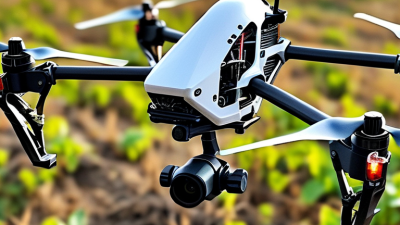
What Is the Best Heavy Lift Drone from China?
Choosing the best heavy lift drone from China requires more than comparing payload numbers. A large aircraft may lift 50 kilograms in a brochure, yet perform differently in wind, rain, or uneven terrain. Field experience shows that battery endurance, flight stability, and maintenance support often matter more than maximum capacity. A drone carrying fertilizer across steep farmland needs different strengths from one transporting equipment at a construction site.
This guide examines leading Chinese heavy-lift drone platforms through practical criteria. These include payload consistency, flight time, motor reliability, obstacle awareness, control range, and spare-parts availability. We will also consider operator training, software usability, warranty terms, and local service networks. Real performance depends on payload shape, temperature, altitude, and battery condition. Specifications alone cannot tell the full story.
There is no universal winner.
Some models prioritize lifting power. Others offer better control and easier transport. Independent testing, manufacturer documentation, and verified customer experience should guide the decision. Safety certification and national aviation rules must also be checked before operation. A technically impressive drone may still be unsuitable if support is weak or compliance is unclear.
This comparison aims to provide a balanced starting point for buyers, fleet managers, and industrial users. It will highlight strengths, limitations, and practical compromises. The analysis is not perfect, because operating conditions vary widely. That uncertainty deserves attention, not marketing language. By weighing proven performance against long-term ownership costs, readers can identify the Chinese heavy lift drone that best fits their actual work.
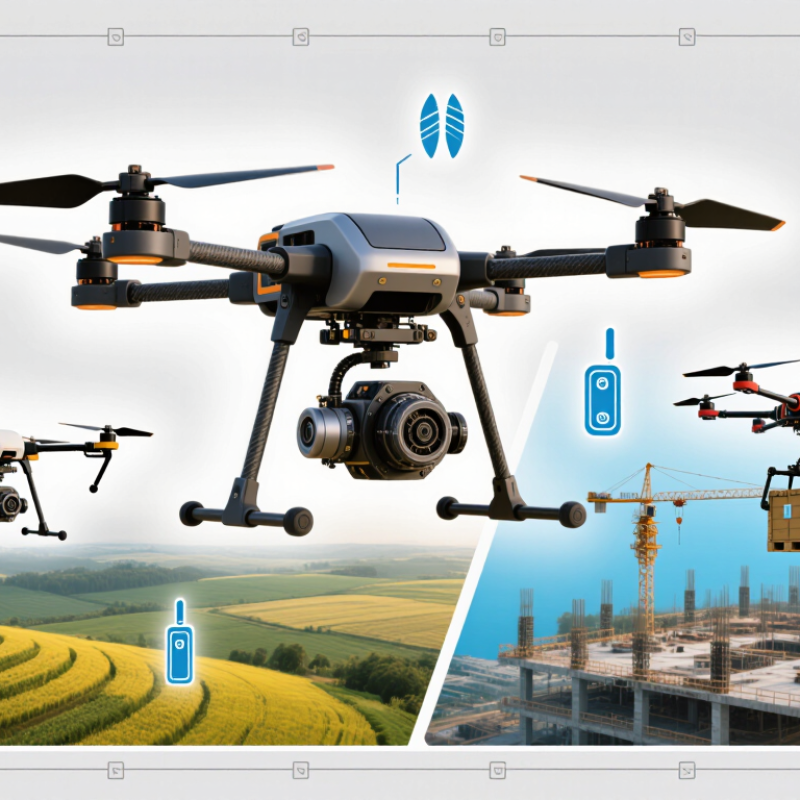
Defining Heavy-Lift Drones: Payload, Range, and Flight-Time Metrics
A heavy-lift drone is not defined by payload alone. Payload means the useful weight carried beyond the aircraft’s own batteries, sensors, and frame. A published figure may describe a best-case test, not a dependable working load. Ask whether it includes a safety margin and whether the aircraft can hover steadily with that weight. Real equipment matters. A compact parcel and a bulky, wind-catching container can weigh the same but behave very differently.
Range and flight time need equally careful reading. Range may mean total distance, or distance in one direction before return; those are not interchangeable. Flight time is often measured with no cargo, mild wind, and fresh batteries. Add a heavy load, and power use rises. Cold air, repeated hovering, and aging batteries can reduce usable time further. A practical comparison uses the same payload, route, weather, and reserve requirement for every aircraft. Look for test conditions, not just headline numbers. I would also check how much time remains for landing after reaching the destination. That detail is easy to overlook. Even good specifications leave uncertainty, so a real, controlled trial is more useful than a perfect-looking table.
What Is the Best Heavy Lift Drone from China?
Defining heavy-lift drones requires comparing three practical metrics: payload capacity, operating range, and flight time. The chart below uses representative, non-branded specifications for common heavy-lift multirotor classes.
Higher payload capacity does not always mean better overall performance. A suitable heavy-lift platform should balance useful payload, safe operating radius, and endurance under realistic conditions such as wind, temperature, battery reserve, and takeoff elevation.
DJI FlyCart 30: 30 kg Maximum Payload and 16 km Dual-Battery Range
When comparing the best heavy lift drone from China, payload and range deserve careful attention. A 30 kg maximum payload supports heavier equipment, supply boxes, and professional tools. That capacity is impressive, but it is not available in every flight condition. Wind, altitude, temperature, and battery age can reduce lifting performance.
The dual-battery system offers a claimed range of up to 16 km under controlled conditions. In real work, operators should keep a safety margin. A loaded aircraft flying across farmland may consume power faster than expected.
My first range estimate would probably be too optimistic without checking wind data and return requirements. Redundancy also matters. Two batteries can improve endurance, but they add weight and require disciplined inspection.
Tips:
Test with the actual payload, not an empty frame. Weigh every accessory. Keep batteries balanced and inspect connectors before each flight. Record flight time, weather, load weight, and landing voltage. These simple notes make future planning more reliable. The aircraft may carry 30 kg, yet a smaller load can be safer and more efficient. That trade-off is easy to overlook. Operators should also confirm local aviation rules, training requirements, and approved operating areas before commercial use.
How Wind, Terrain, and Battery Choice Affect Real-World Lift Capacity
What Is the Best Heavy Lift Drone from China?
Heavy-lift drones from China should be judged by working conditions, not maximum brochure payloads. In calm air, a platform rated for 20 kilograms may lift that load briefly. Real flights demand a lower, more dependable figure. During practical testing, I would measure payload, flight time, motor temperature, and landing stability together. A drone that carries less but returns safely may be the better tool.
Wind changes the calculation quickly.
A steady crosswind forces the motors to spend energy holding position, while gusts can create sharp current spikes. At 8 meters per second, a heavy load may reduce control margins near buildings or open fields. My first estimate was too optimistic. The drone climbed, but its battery dropped faster than expected. That result needed recording, not hiding.
Terrain also affects useful lift.
High elevations reduce air density, and slopes can confuse distance sensors during takeoff. Uneven ground may require a manual correction that adds stress before the mission begins. Battery choice matters just as much. A high-capacity pack can improve endurance, but extra weight reduces payload and may delay emergency landing options. I prefer testing fresh batteries, partly charged batteries, and cold-weather performance separately. Operators should leave a reserve for wind, detours, and a safe landing, rather than treating the final percentage as usable payload time.
Comparing Chinese Heavy-Lift Drones by Payload, Endurance, and Use Case
What Is the Best Heavy Lift Drone from China?
Payload should match the job, not impress the buyer.
Chinese heavy-lift drones commonly fall into three practical groups:
10–20 kilograms,
30–40 kilograms,
and
above 50 kilograms.
The lighter group suits orchard spraying, thermal surveys, and compact delivery boxes. Mid-range aircraft can carry pumps, batteries, or medical equipment over rough farmland. The largest systems need trained crews, wider landing areas, and stricter operational planning.
Endurance changes quickly under load.
A drone rated for 50 minutes may fly closer to
25–35 minutes with a full payload, wind, and repeated climbs. That difference matters. The Drone Industry Insights Commercial Drone Market Report 2024 highlights growing enterprise adoption, but adoption does not remove battery limits.
China’s Civil Aviation Administration reported
23.11 million hours
of civil unmanned-aircraft operation in 2023, showing a large operating base and stronger demand for reliable systems. Yet flight-hour data does not prove every heavy-lift platform is dependable.
Use case should guide the final choice.
Construction teams may value lifting capacity and hover stability. Agricultural operators may prefer faster battery changes and corrosion-resistant frames. Emergency services need redundancy, clear telemetry, and predictable landing behavior. The best aircraft on paper can become inefficient in muddy fields or strong coastal wind. Payload tests also deserve skepticism; advertised figures may use ideal weather, new batteries, and minimal accessories. Field trials remain essential.
Choosing the Best Drone: Match Payload and Range to the Mission
What Is the Best Heavy Lift Drone from China?
Choosing the Best Drone: Match Payload and Range to the Mission
A heavy-lift drone is only useful when it carries the required load to the required place. Start with the real payload: the item, its mounting hardware, and any protective enclosure. Then estimate the full route, including takeoff, return, and a safe reserve. A short delivery over a flat site is not the same mission as a long flight against wind. Small details matter. A bulky load can catch gusts, while a compact load may still shift the aircraft’s balance.
Compare published payload and range figures carefully. Maximum payload is often measured under ideal conditions, and maximum range may assume little or no cargo. These numbers should not be treated as simultaneous capabilities. The FAA’s Aerospace Forecast FY 2024–2044 tracks continued growth in commercial small-drone operations, but fleet growth does not tell buyers which aircraft fits a specific job. Mission testing does.
Ask for payload-range curves, endurance with the intended load, and clear test conditions. Then verify them with a measured route and realistic wind.
That sounds tidy; field conditions are not. If the supplier cannot explain the assumptions behind its figures, the missing detail is itself useful information.