China Best ASTM F2357 RCA Paper Tape Abrasion Tester
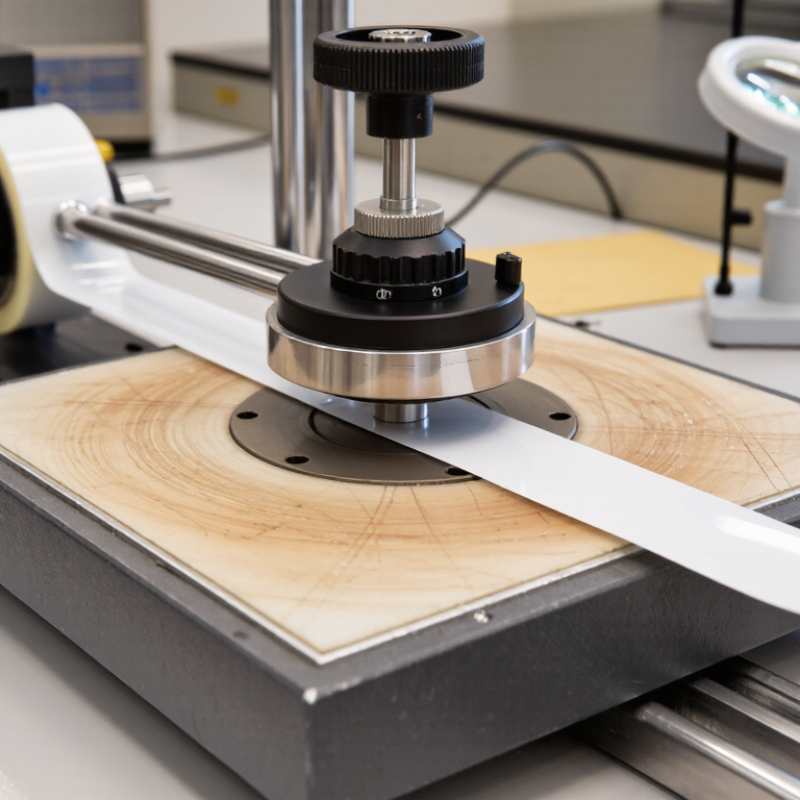
The ASTMF2357 RCA Paper Tape Abrasion Tester helps evaluate how surfaces withstand repeated contact with paper tape. It is commonly used to assess coatings, printed labels, and decorative finishes on consumer products. During a test, a weighted arm presses the tape against a sample while a motor moves the sample through controlled cycles. The resulting wear can reveal fading, scratches, or loss of coating.
Small details matter. Tape condition, applied load, sample alignment, and cycle count can all affect the result. A mark near the edge may indicate poor positioning rather than weak material. For meaningful comparisons, laboratories should follow the applicable test method and document the settings used. Keep samples clean and secure, and inspect the worn area under consistent lighting. Photographs can help record visible changes.
A tester supports repeatable assessment, but it does not explain every failure. Material thickness, surface texture, and manufacturing variation may influence the outcome. Results should therefore be interpreted alongside sample details and other relevant quality checks. Even careful testing has limits. That is worth remembering. Before selecting equipment, confirm that its operating range and accessories suit the intended samples and testing requirements. Clear procedures and recorded observations make the data more useful to engineers, quality teams, and buyers evaluating abrasion performance.
What Is an ASTM F2357 RCA Paper Tape Abrasion Tester?
What Is an ASTM F2357 RCA Paper Tape Abrasion Tester?
An ASTM F2357 RCA paper tape abrasion tester measures the wear resistance of printed or coated surfaces. It uses standardized paper tape, controlled pressure, and repeated rubbing cycles. A weighted wheel moves across the specimen at a defined speed. Technicians record the cycle count when the printed layer shows visible damage or reaches a specified endpoint. Small details matter.
Accurate testing starts with proper sample conditioning and secure mounting. The surface should remain flat, clean, and free from fingerprints. Operators must check the tape lot, applied load, wheel movement, and cycle counter before testing. Calibration records improve repeatability between laboratories. Keep it controlled. In practical work, uneven pressure can create misleading results, especially near edges or textured areas.
This tester supports quality checks for labels, packaging, instrument panels, and decorative films. It helps compare inks, coatings, substrates, and curing conditions under a repeatable method. However, the result does not predict every type of field damage. Dust, moisture, cleaning chemicals, and curved surfaces may produce different wear patterns. A careful technician should document the load, tape specification, test cycles, endpoint, and surface condition. Some judgment remains unavoidable, and visual inspection can be less consistent than instrumental measurement. Reflecting on that limitation makes the report more credible.
How the Tester Simulates Repeated Surface Wear
An RCA paper tape abrasion tester simulates repeated surface wear through controlled contact between paper tape and a test specimen. The specimen is secured flat, and the tape rubs across a defined area under a set load. A cycle counter tracks the number of passes, making it easier to compare coatings, printed layers, and finished surfaces under consistent conditions.
The motion is repetitive, not dramatic. A faint dull patch may appear before visible damage, while ink or coating can gradually transfer to the tape. Small details matter. Pressure, specimen alignment, tape condition, and the chosen endpoint can all affect the result. Keep these settings consistent, and record them with each test. The method offers a practical comparison, but it cannot reproduce every real-world scratch, spill, or change in temperature. That limitation is easy to overlook. A strong result in the tester should be read alongside the product’s intended use and other relevant checks.
Key Components and Their Functions
The key components of an ASTM F2357 RCA paper tape abrasion tester work together to create repeatable contact between the tape and a coated sample. A rigid frame supports the test head and helps limit vibration. The rotating drum carries the paper tape, while a motor turns it at a controlled speed. Smooth rotation matters; slight jerks can affect the wear pattern.
A sample holder keeps the printed surface in position beneath the tape. A loading arm and calibrated weights apply the chosen force. Too much pressure may produce premature wear, while too little can make the result difficult to compare. A cycle counter tracks drum movement and helps operators stop at a defined point. Small details matter. Tape alignment, sample flatness, and a clean contact area all deserve a quick check before testing.
Controls for speed and cycle count make the process easier to repeat across samples. Operators should also inspect the tape and test surface under consistent lighting, especially when identifying the first visible coating change. Even well-maintained equipment cannot eliminate every variation. Paper tape condition and sample preparation can still influence results, so recording these details is useful. It is easy to overlook them.
China Best ASTM F2357 RCA Paper Tape Abrasion Tester - Key Components and Their Functions
| Component | Primary Function | Role in the Test | Practical Note |
| Drive motor and transmission | Moves the test mechanism at a controlled rate. | Provides the repeatable motion needed to rub the specimen against the paper tape. | Use the operating settings specified by the applicable test method or test plan. |
| Paper tape supply reel | Holds the unused abrasion tape and feeds it into the test area. | Supplies a fresh section of tape for contact with the specimen. | Keep the tape clean and correctly aligned; tape type and condition can affect results. |
| Paper tape take-up reel | Collects tape after it passes through the rubbing area. | Helps keep used tape separate from unused tape during operation. | Check that tape winds smoothly and does not bunch or slip. |
| Tape guides and tension mechanism | Direct the tape path and help maintain consistent tape tension. | Keep the abrasive surface positioned steadily against the specimen. | Misalignment or uneven tension can cause irregular wear. |
| Rubbing head or contact foot | Applies contact between the moving paper tape and the specimen. | Defines the contact area where abrasion takes place. | Keep the contact surface clean and inspect it for wear or damage. |
| Load or weight assembly | Applies the selected force to the rubbing contact. | Controls the pressure acting on the specimen and paper tape. | Verify the applied load and use the prescribed configuration for the test. |
| Specimen holder or platform | Secures the sample in a stable position. | Prevents specimen movement while the tape rubs across its surface. | Mount the specimen flat and avoid wrinkles or loose edges. |
| Cycle counter | Records the number of rubbing cycles or mechanism movements. | Provides a test endpoint reference for comparison and reporting. | Confirm the counter is reset before each test and record the endpoint consistently. |
| Controls and operating panel | Allows the operator to start, stop, and set available operating parameters. | Supports consistent operation across test runs. | Follow the instrument instructions and document the settings used. |
| Inspection and result-recording process | Supports examination of the tested surface and documentation of observations. | Connects the machine’s rubbing action to the reported abrasion result. | Use consistent lighting, evaluation criteria, and reporting units for comparisons. |