How to Choose the Best Professional Drone for Your Needs
Choosing the right professional drone can be a daunting task, given the multitude of options available in today's market. Whether you're a seasoned aerial photographer, a construction planner, or involved in agricultural monitoring, selecting a drone that aligns with your specific needs is crucial for maximizing the potential of your investment. Understanding the various features and capabilities of professional drones will enable you to make an informed decision, ensuring that the device you choose enhances productivity and creativity in your projects.
In an era where technology is rapidly advancing, professional drones are becoming indispensable tools across numerous industries. The differences in size, camera quality, battery life, and flight capabilities can significantly influence the effectiveness of your operations. As you delve into the selection process, consider what you aim to achieve with your professional drone, whether it's for capturing stunning aerial imagery, conducting detailed surveys, or improving operational efficiency.
This comprehensive guide aims to equip you with the knowledge needed to navigate the complexities of choosing a professional drone tailored to your specific requirements. By understanding the fundamental aspects of drone technology and usage, you can confidently select a model that not only meets your needs but also propels your projects to new heights.
Understanding Different Types of Drones Available for Professional Use
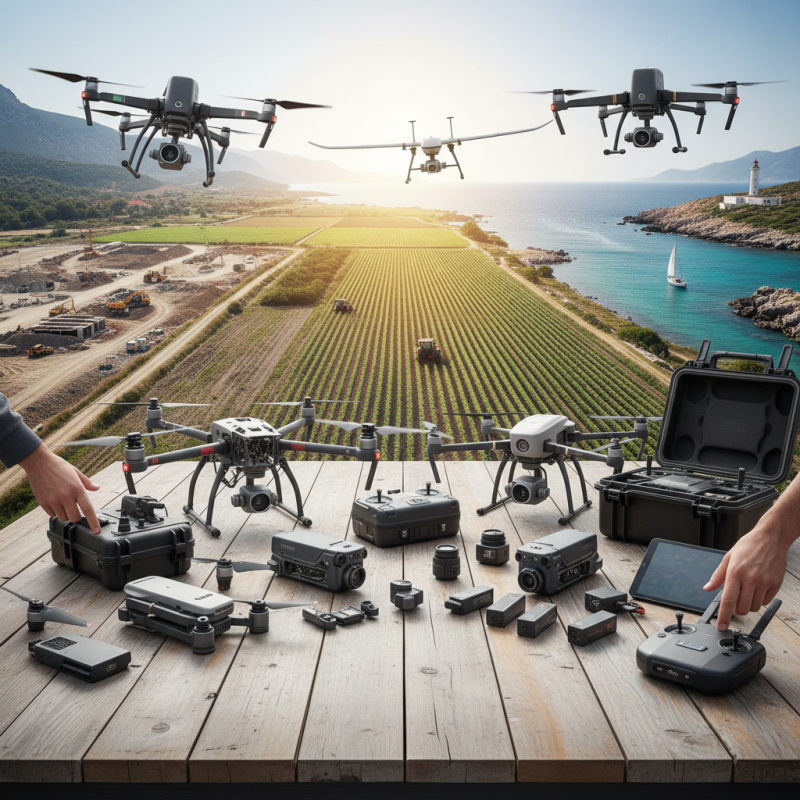
When it comes to selecting the best professional drone, understanding the different types available is crucial. There are primarily three categories of drones that professionals frequently use: multi-rotor drones, fixed-wing drones, and hybrid drones. Multi-rotor drones, equipped with multiple spinning blades, are ideal for tasks requiring precision and stability, making them perfect for aerial photography and inspections. Fixed-wing drones, resembling small airplanes, are suited for covering vast areas and can operate for extended durations, ideal for mapping and surveying. Hybrid drones combine the strengths of both types, offering the versatility of vertical takeoff and long flight durations.
**Tips:** Consider the specific needs of your project when choosing a drone type. For high-resolution imaging tasks, prioritize stability and camera capabilities. If your focus is on monitoring large agricultural fields or conducting surveys, a fixed-wing drone may provide the best efficiency.
Another vital aspect to consider is the payload capacity. Depending on your line of work, you might need to equip your drone with specialized cameras or sensors. Multi-rotor drones generally have lower payload capacities, while fixed-wing drones can carry heavier equipment over long distances. Ensuring that your selected drone can handle the required payload will save you from complications down the line.
**Tips:** Assess the specifications carefully and ensure the drone can accommodate any additional equipment you plan to use. Testing the drone in similar environments to your operational areas can also provide valuable insights into its performance.
Comparison of Different Types of Professional Drones
Key Features to Consider When Choosing a Professional Drone
When selecting a professional drone, several key features must be taken into account to ensure it meets your specific needs. First and foremost, the camera quality is crucial, particularly for aerial photography and videography. Look for drones equipped with high-resolution cameras, optical zoom capabilities, and gimbal stabilization. These features greatly enhance image clarity and overall video quality, making your aerial shots more professional and visually appealing.
Battery life is another significant factor to consider. A drone with a longer flight time allows for more extensive coverage during shoots without the frequent need to return to recharge. Depending on your use case, such as surveying large areas or capturing extended events, selecting a drone that can sustain operations for at least 25 to 30 minutes of flight time will be beneficial. Additionally, think about the range and control options; a longer transmission range not only provides more flexibility during operations but also lessens the risk of losing signal during flight.
Lastly, consider the drone's ease of use and portability. Many professionals require drones that are easy to assemble, operate, and transport. Features like automated flight modes and user-friendly controls can significantly reduce the learning curve, making it accessible even for those new to drone technology. Assessing these essential features will enable you to choose a drone that not only meets your professional requirements but also enhances your capabilities as an operator.
How to Choose the Best Professional Drone for Your Needs - Key Features to Consider When Choosing a Professional Drone
| Feature |
Description |
Importance |
Recommended Range |
| Camera Quality |
Resolution, frame rate, and sensor size for capturing high-quality images and videos. |
High |
4K video, 12+ MP stills |
| Flight Time |
Duration the drone can stay airborne on a single battery charge. |
Medium |
20-30 minutes |
| Range |
Maximum distance from which the drone can be controlled. |
High |
1-5 kilometers |
| GPS/Tracking |
Precision navigation that allows for return-to-home functionality and waypoint navigation. |
High |
Dual GPS |
| Obstacle Avoidance |
Technology that prevents the drone from colliding with objects during flight. |
High |
6-directional sensing |
| Payload Capacity |
Maximum weight the drone can carry, impacting what additional equipment can be used. |
Medium |
0.5-5 kg |
| Build Quality |
Durability and resistance to adverse weather conditions. |
High |
Composite materials |
Assessing Your Specific Needs and Use Cases for Drones
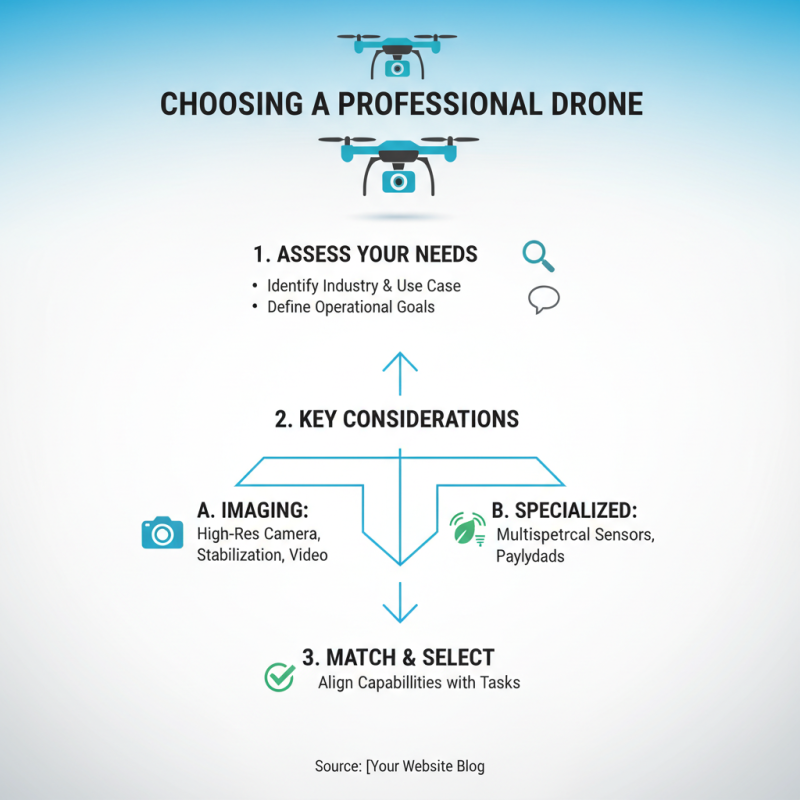
When selecting a professional drone, it's crucial to start by assessing your specific needs and use cases. Different industries have varying requirements for drone capabilities, so understanding the tasks you intend to perform is essential. For instance, aerial photography and videography demand drones with high-resolution cameras and stabilization features, while agricultural applications may require drones equipped with multispectral sensors for crop monitoring. Defining the primary use case will help narrow down the options and ensure that you choose a model that aligns with your operational goals.
Additionally, consider the operational environment where the drone will be utilized. If you plan to fly in rugged terrains or challenging weather conditions, look for durability and weather resistance in your chosen model. Battery life can also be a significant factor; longer flight times allow for more extensive coverage during missions. Furthermore, contemplate the level of automation you require. Some users benefit from drones with advanced autonomous features, while others may prefer manual controls for specific applications. By carefully evaluating these aspects, you can select a professional drone that best suits your unique requirements.
Evaluating Drone Regulations and Licensing Requirements
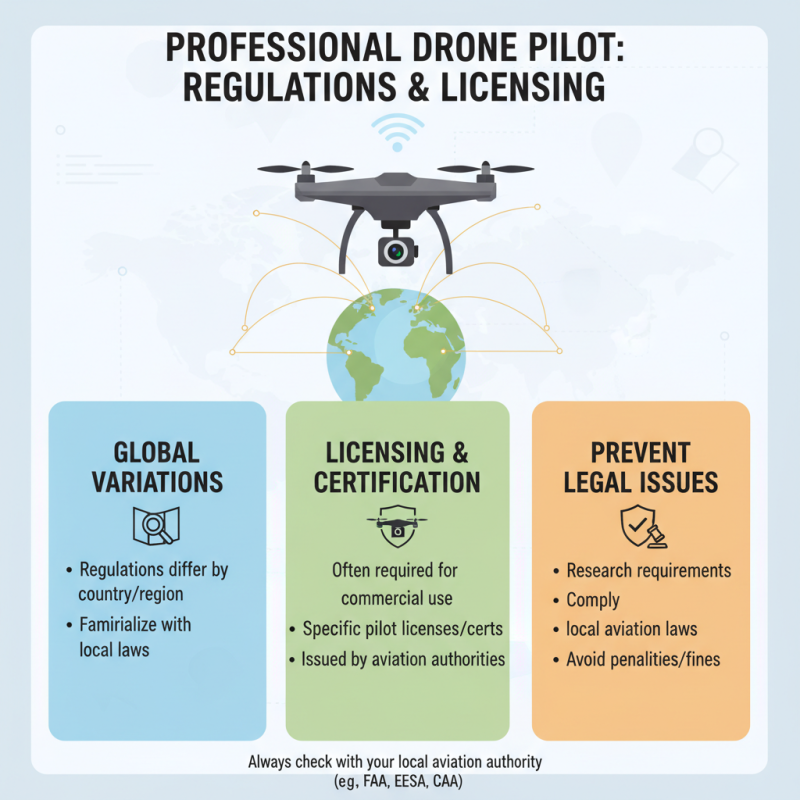
When considering the purchase of a professional drone, understanding the regulatory landscape and licensing requirements is crucial. Regulations can vary greatly depending on the country or region, so it's essential to familiarize yourself with local laws governing drone usage. In many places, commercial drone pilots must obtain specific licenses or certifications to operate legally. Researching the requirements laid out by aviation authorities in your area can prevent legal complications down the line.
Tips: Always check for any updates on drone regulations, as they can change frequently. Joining local drone enthusiast groups can provide insights into the application process and requirements. It’s also beneficial to invest time in online courses or training programs that not only prepare you for licensing exams but also enhance your understanding of safe drone operation.
Compliance is key, and failure to adhere to regulations can lead to fines or loss of privileges. Ensure that you’re aware of flying restrictions in certain areas, such as near airports or crowded spaces, and always respect privacy laws. Being proactive about understanding and following regulatory guidelines will set a strong foundation for your drone operations and help you build a reputable presence in the drone community.
Comparing Budget Options: Finding the Right Drone for Your Investment
When it comes to selecting a professional drone, the diversity of options can be overwhelming, especially for budget-conscious buyers. It's essential to evaluate your specific requirements—be it aerial photography, surveying, or inspection work. Start by considering what features are crucial for your intended application. Look for key specifications like camera quality, flight time, and ease of control.
Understanding the trade-offs between quality and cost is crucial; while budget models may offer satisfactory performance for beginners, investing in a higher-tier drone often yields better durability and functionality for professional use.
To maximize your investment, explore various budget options that offer a blend of quality and affordability. Many mid-range drones provide advanced features such as GPS stabilization, automated flight paths, and 4K video capabilities without breaking the bank. Additionally, user reviews and comparison charts can help in gauging performance and reliability. Focus on the total cost of ownership, including additional expenses like batteries, accessories, and potential repairs, which can significantly impact your budget. Being informed and making a comprehensive assessment of your needs versus available options will ensure that you select the right drone suited to your professional endeavors.